The United States corrugated mailers industry is entering a period of dynamic growth and transformation, driven by resilient demand from e-commerce, sustainability priorities, and technological advancements. As businesses across sectors continue to embrace direct-to-consumer shipping models, corrugated mailers are emerging as a preferred choice for protective, eco-friendly, and cost-efficient packaging solutions. Within this evolving landscape, both established manufacturers and emerging players are expanding capabilities and introducing new technologies that promise to reshape the future of mailer packaging in the U.S.
Corrugated mailers — lightweight, recyclable, and durable — have become indispensable in the modern logistics ecosystem. With the proliferation of online shopping and parcel delivery services, brands are increasingly opting for solutions that protect products while minimizing overall shipping costs and environmental impact. This trend spans multiple industries, from apparel and electronics to subscription services and retail goods, highlighting broad-based adoption across the U.S. market.
Steady Market Growth and Strategic Industry Momentum
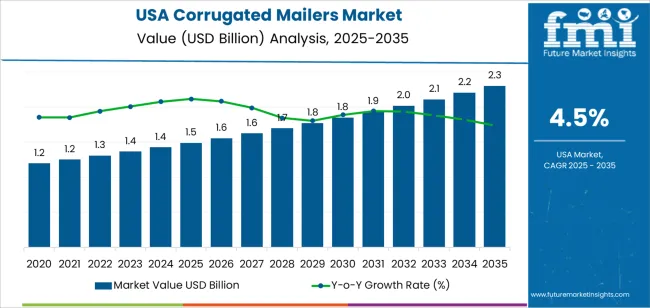
Industry forecasts signal significant expansion over the next decade, with demand for corrugated mailers expected to grow considerably. This growth is anchored in the continued rise of e-commerce, enhanced fulfillment operations, and an overarching emphasis on sustainability in packaging design. Businesses and fulfillment centers are recognizing the advantages of corrugated mailers for their balance of strength, recyclability, and compatibility with automated packing systems.
Regional adoption patterns across the United States reflect steady growth in key economic hubs. Western states, with high e-commerce volumes and rapid parcel throughput, are driving robust demand, while the South and Northeast regions follow closely, supported by expanding logistics networks and retail distribution channels. Even in the Midwest, long-established manufacturing and distribution centers are increasingly integrating corrugated mailers into their packaging strategies to optimize protection and reduce transit losses.
Key Established Players Leading the Charge
The corrugated mailers segment is anchored by several major industry leaders with deep manufacturing footprints and broad service capabilities. These companies have long been instrumental in defining product standards, driving innovation, and meeting scale-oriented demand across multiple sectors.
Among the vanguard are global and regional heavyweights known for product reliability and continuous improvement:
-
Smurfit Kappa Group plc — A respected provider of paper-based mailer formats, Smurfit Kappa continues to emphasize sustainable material use and customizable solutions that align with environmental goals.
-
Pregis LLC — Known for integrating protective packaging expertise with automated solutions, Pregis is advancing options that improve throughput and performance for high-volume packers.
-
Mondi plc — With a strong focus on sustainable and functional packaging, Mondi’s corrugated offerings cater to diverse end-use cases while maintaining recyclability.
-
DS Smith plc — A leading converter with a global footprint, DS Smith brings customization and design innovation to corrugated mailer offerings.
-
WestRock Company — Combining manufacturing scale with product development, WestRock continues to invest in mailer formats tailored to evolving logistics requirements.
These established manufacturers are expanding existing facilities, refining supply chains, and investing in next-generation mailer technologies to support growing demand and tighter sustainability standards.
Emerging Innovators and Next-Generation Technologies
In addition to industry stalwarts, a wave of emerging players and technology innovators is shaping the future of corrugated mailers. These newer entrants bring agility, niche focus, and cutting-edge solutions that are accelerating market evolution.
Startups and smaller manufacturers are leveraging digital printing, automation, and design optimization to deliver highly customizable mailers that support branding and consumer engagement. With advanced printing capabilities, companies are enabling dynamic graphics and packaging personalization at scale, helping brands differentiate in increasingly competitive markets.
Meanwhile, automation technologies — from smart conveyor integrations to AI-driven layout optimization — are helping manufacturers reduce material waste, improve production efficiency, and lower overall costs. These innovations are particularly attractive to fast-growing e-commerce businesses seeking scalable packaging solutions that can keep pace with demand.
Another key area of innovation lies in sustainable materials and eco-design. Corrugated formats with enhanced recycled content, improved fiber strength, and novel liner treatments are gaining traction as brands respond to both regulatory pressures and shifting consumer preferences toward greener packaging. Some forward-looking manufacturers are experimenting with biodegradable coatings and water-based adhesives that enhance performance without sacrificing recyclability.
Market Outlook and Strategic Opportunities
As the market continues to expand, a number of strategic opportunities are emerging for both established players and new entrants:
-
Customization and Brand Experience: Enhanced printability and modular mailer designs are enabling brands to create memorable unboxing experiences, which are increasingly important for customer loyalty.
-
Smart Packaging Integration: There is growing interest in integrating QR codes, RFID tags, and IoT sensors into corrugated mailers, providing supply chain visibility and anti-tamper capabilities.
-
Sustainability Leadership: Manufacturers that prioritize recyclable content, lightweight designs, and closed-loop systems are well-positioned to meet rising sustainability mandates and consumer expectations.
With these developments in motion, the United States corrugated mailers market is not only expected to sustain its growth trajectory but also to become a vibrant arena of innovation and competition for years to come.