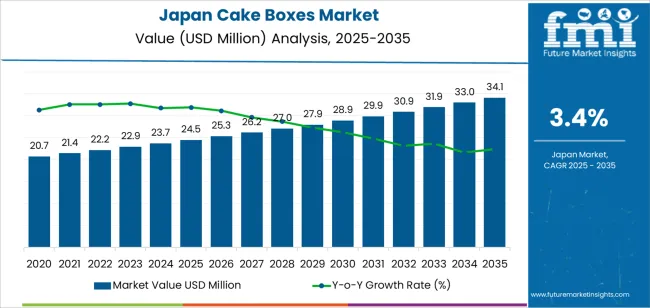
The Japan cake boxes market is entering a dynamic phase of transformation as both established manufacturers and new entrants leverage emerging technologies and evolving consumer preferences to expand their businesses. Fueled by rising demand from bakeries, confectioneries, and the growing e-commerce food delivery sector, the market is forecasted to experience significant growth through the next decade.
With steady demand projected to increase substantially by 2035, the cake boxes segment is poised to benefit from multiple macro trends reshaping the packaging industry. This includes the premiumization of baked goods, increasing consumer emphasis on sustainability, and the rise of customized packaging that enhances brand recognition and consumer experience.
Market Momentum Fueled by Celebration Culture and Consumer Demand
Japan’s vibrant bakery and confectionery culture continues to be a primary driver behind cake box demand. As cakes become central to celebrations such as birthdays, weddings, and corporate events, the need for high-quality and visually appealing packaging has become more critical than ever. This cultural trend not only supports demand for functional protective packaging but also elevates the value of aesthetically designed cake boxes that help brands stand out at point of sale.
Across Japan’s diverse regions—from the bustling urban centers of Kanto to the food culture hubs in Kyushu & Okinawa—demand for cake packaging solutions is rising steadily. These regions exhibit robust bakery activity and a growing preference for premium, ready-to-gift pastries and desserts.
Established Leaders Embrace Innovation for Competitive Advantage
Leading players in Japan’s cake boxes landscape have been quick to recognize and act on the market potential. Established manufacturers with strong production capacity and distribution networks are now integrating advanced technologies into their operations to improve product quality and customization.
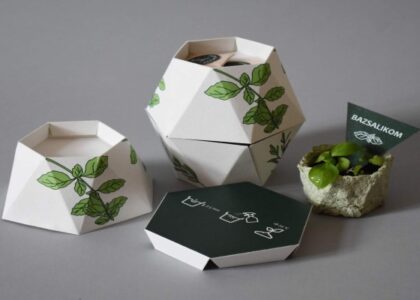
For example, major packaging firms have introduced sophisticated printing techniques that allow for vibrant graphics and intricate brand elements on cake boxes—enhancing the unboxing experience and helping bakers reinforce their brand identity. Additionally, structural innovations such as fold-flat designs and auto-popup systems are enhancing logistics efficiency and reducing labor costs for bakeries that manage large order volumes.
Sustainability is another key focus area for established manufacturers. With environmental consciousness growing among Japanese consumers, companies are investing in biodegradable and recyclable materials, appealing to eco-friendly preferences without compromising durability or design quality.
These strategic moves reflect an industry that is not only responding to current market demands but also anticipating future shifts toward sustainability and digital integration.
New Entrants Bring Fresh Perspectives & Accelerate Innovation
Alongside well-known manufacturers, a wave of new companies is entering the Japan cake boxes market with fresh ideas and cutting-edge technologies. These emerging players are differentiating themselves through highly customizable solutions, agile production models, and partnerships with boutique bakeries and artisanal dessert brands.
Digital printing technologies are enabling smaller manufacturers to offer low-volume, bespoke packaging runs that were previously cost-prohibitive. This capability is particularly attractive to niche patisseries and online bakeries that prioritize unique branding and seasonal designs.
Moreover, new entrants are exploring ways to incorporate smart packaging elements—such as scannable codes for tracking freshness or interactive consumer engagement features—pushing the envelope of traditional packaging.
Sustainability at the Core of Future Growth
As environmental concerns take center stage, all market players—established and new—are aligning their product portfolios with sustainability goals. The shift toward eco-friendly, recyclable, and compostable cake box materials is no longer a niche trend; it’s a mainstream expectation among consumers and retailers alike.
Manufacturers are investing in research and development to enhance material performance while minimizing environmental impact. These innovations not only cater to consumer preferences but also position Japanese cake box producers as global leaders in sustainable packaging solutions.
E-Commerce & Delivery Trends Amplify Market Potential
The surge in online ordering and home delivery of baked goods has opened new avenues for cake box businesses. Reliable packaging that can withstand transit stress while still presenting beautifully on arrival has become a key differentiator for e-commerce bakery brands.
This trend is encouraging packaging firms to innovate further in terms of strength, design, and convenience features. Buyers increasingly expect packaging that not only protects the product but also creates an exciting first impression—whether it’s delivered to the doorstep or picked up in-store.
Industry Outlook: A Sweet Future Ahead
Looking forward, the Japan cake boxes market stands at an exciting inflection point. With a blend of traditional strengths and forward-looking technologies, market participants are well positioned to capture expanding opportunities across the bakery, confectionery, and food delivery sectors. As both established leaders and agile new entrants innovate, the industry is set for sustained growth that aligns with consumer expectations and broader sustainability goals.