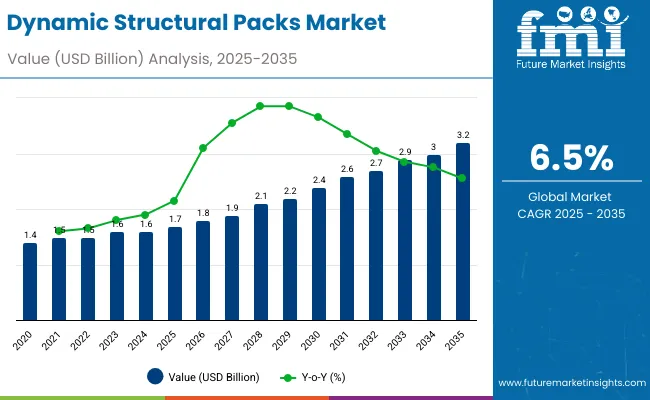
The global Dynamic Structural Packs market is entering a period of vibrant expansion, driven by rapid advancements in modular packaging solutions, sustainability goals, and the increasing demands of modern logistics and e-commerce ecosystems. With the market projected to more than double in value from the mid-2020s to 2035, this sector is capturing the attention of both established industry leaders and forward-thinking new entrants eager to scale their operations in a fast-evolving landscape.
Dynamic structural packs represent a new frontier in intelligent packaging design — combining collapsibility, modularity, and strength to support efficient storage, transport, and reuse across industries ranging from industrial equipment to consumer goods. As global supply chains embrace automation and sustainability, demand for adaptive packaging that can optimize warehouse space, reduce transport costs, and minimize environmental impact is skyrocketing.
According to industry forecasts, the market’s value is expected to grow significantly over the next decade as companies invest in scalable and durable packaging alternatives tailored for smart logistics and circular supply networks.
Market Leaders Expand Their Footprint
Established packaging giants are leveraging their deep expertise and global reach to pioneer next-generation structural packs. These industry stalwarts are not only expanding capacity but also incorporating advanced technologies that enhance performance and sustainability.
For years, recognized names in packaging have led the charge in developing dynamic structural solutions that address the evolving needs of large-scale distribution and logistics operations. These players have strengthened their product portfolios with designs that combine lightweight materials and robust performance — delivering solutions that are easy to assemble, durable, and compatible with automated handling systems.
Their leadership is underscored by a strong commitment to meeting the sustainability targets of global supply chains. By integrating recyclable materials and efficient production processes, these veterans of the packaging industry are now offering solutions that reduce carbon footprints while supporting flexible logistics strategies.
Emerging Manufacturers Drive Fresh Innovation
Alongside the industry’s established leaders, a wave of new manufacturers is entering the Dynamic Structural Packs arena with fresh perspectives and agile technologies. These emerging innovators are focused on addressing niche challenges — from unique material compositions to specialized modular configurations that adapt to diverse packaging needs.
These newer players are carving out market share by delivering flexible solutions tailored to specific regional demands and vertical applications. Many are adopting cutting-edge design tools, partnering with tech startups, and introducing smart material technologies that improve performance without compromising sustainability.
Their participation adds dynamism to the sector, enabling a broader range of options for end users and accelerating the overall pace of innovation. By emphasizing customization and responsiveness to customer needs, emerging manufacturers are positioning themselves as vital contributors to the market’s long-term growth.
Technological Trends Reshaping the Market
A key driver of this market’s rapid evolution is the rise of smart packaging technologies and materials. From kinetic folding structures that enable easy transition between flat and expanded states, to self-locking modular frames that boost stability, these innovations are transforming how goods are stored and transported.
The integration of intelligent features such as embedded tracking solutions and automated configuration systems is also gaining traction, offering increased traceability and operational efficiency. These technologies support supply chain digitization and are helping companies reduce handling times and improve inventory management.
Sustainability remains a central theme — with manufacturers increasingly turning to corrugated and composite materials that offer strength while facilitating reuse and recycling. These eco-friendly materials are also lighter and more adaptable, reducing energy consumption during transport and supporting circular logistics models.
Industry Applications Span Multiple Sectors
The appeal of dynamic structural packs extends across numerous sectors. In industrial packaging, manufacturers are adopting reusable and collapsible packaging systems that can endure heavy loads and frequent movement, reducing the need for single-use materials and streamlining return logistics.
In the realm of e-commerce and logistics, dynamic packs are becoming essential as online commerce grows and last-mile delivery networks demand packaging that maximizes space and minimizes waste. These solutions play a pivotal role in optimizing sorting, handling, and palletization processes in automated distribution centers.
Other sectors — including food and beverage logistics and consumer goods — are also tapping into the flexibility and sustainability benefits offered by dynamic structural packs, further broadening the market’s scope.
Looking Ahead
The Dynamic Structural Packs market’s trajectory points to continued expansion as interest in adaptive, sustainable packaging solutions intensifies. Established manufacturers are set to refine and scale their offerings, while innovative newcomers will continue to push technological boundaries and offer niche solutions that address specific challenges.
As supply chains become smarter and more environmentally conscious, collaborative efforts between large corporations and agile innovators will drive meaningful progress — ushering in a new era of modular packaging that is efficient, resilient, and aligned with the evolving priorities of industries worldwide.
About the Dynamic Structural Packs Market
This market reflects a growing demand for packaging solutions that combine structural innovation with sustainability and operational efficiency. With strong growth forecasts and broad application potential, dynamic structural packs are setting new standards for how goods are packaged, shipped, and managed in the modern economy.