The United States cup fill and seal machine market is entering a dynamic phase of growth and transformation, propelled by sustained demand for automated packaging solutions, technological innovations, and strategic ambitions of both established global players and emerging manufacturers. With the increasing production of single-serve and convenience-oriented food and beverage items, industry stakeholders are responding with cutting-edge platforms designed to boost efficiency, hygiene, and operational flexibility.
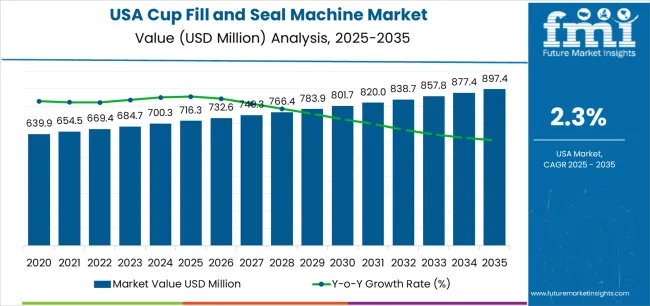
Recent market insights project that the U.S. demand for cup fill and seal machines will grow from a substantial base in 2025 to a significantly larger market by 2035. This expansion underscores a broader evolution within the food and beverage packaging ecosystem as manufacturers invest in automation to enhance throughput and maintain rigorous quality standards.
Meeting the Surge in Convenience Packaging Demand
The ongoing consumer shift toward convenient, portion-controlled packaging formats such as yogurt cups, ready-to-eat salads, and single-serve beverages is a key growth catalyst. Producers across the dairy, specialty foods, and beverage sectors are rapidly adopting automated fill and seal systems that deliver consistent performance while reducing manual handling. These systems address critical industry needs — from accurate filling and hygienic sealing to extended shelf life — making them essential components of modern packaging lines.
The rising emphasis on operational efficiency is also driving adoption. Automated systems help minimize labor costs, support high-volume output, and cut downtime associated with manual processes. As consumer demand intensifies, manufacturers are prioritizing machines capable of handling diverse products with minimal intervention, aligning packaging performance with evolving market preferences.
Balanced Growth Across Machine Technologies
A defining feature of the U.S. cup fill and seal machine market is the diversity of technologies deployed to match production needs:
-
Automatic Systems: These solutions lead the technology front, offering high throughput and seamless integration into continuous production lines. Ideal for large-scale plants, automatic machines deliver precision and speed, making them a cornerstone of modern packaging operations.
-
Semi-Automatic and Manual Machines: Serving mid-size and niche producers, these systems balance functionality with flexibility. Semi-automatic machines offer controlled operations with fewer labor requirements, while manual models provide affordable entry points for smaller manufacturers or pilot lines.
Across these categories, manufacturers are innovating to deliver machines that support rapid changeovers, improved hygiene control, and enhanced data-driven monitoring — features that align with both regulatory compliance and operational excellence.
Machine Types and Capacity Trends
The landscape of machine types reflects varied industrial needs. Linear systems represent the backbone of high throughput production due to their straightforward design and adaptability to continuous workflows. Rotary and intermittent machines, meanwhile, cater to specialized applications where space efficiency or gentle handling is critical.
Capacity segmentation also reveals how manufacturers are scaling investments. High-capacity units capable of processing more than 2,000 cups per hour dominate demand, particularly in large processing facilities focused on maximum productivity. Meanwhile, mid-volume and low-volume machines support regional producers and artisans who prioritize product diversity and flexible batch runs.
Regional Demand Patterns Fuel Strategic Deployment
Geographically, demand for cup fill and seal technologies is strongest in regions with dense food processing and distribution infrastructure. The West is experiencing robust investment driven by dairy, plant-based foods, and specialty beverages. The South and Northeast are seeing continuous uptake as producers expand single-serve offerings to meet local and national retail needs. Even in the Midwest, where growth is steadier, established agricultural and dairy operations continue to invest in reliable and durable systems.
These patterns reflect not only production volumes but also strategic positioning by manufacturers seeking to serve key industry clusters with tailored solutions.
Leading Players and New Technologies
The competitive landscape features a blend of established global leaders and dynamic new entrants. Long-standing brands have built reputations on delivering reliable performance, precision filling, and robust sealing integrity essential for high-volume production. Their products are widely used in dairy, ready meals, sauces, desserts, and beverage packaging — sectors that demand strict hygiene and consistent quality.
Emerging manufacturers and technology innovators are also making significant inroads. They bring fresh perspectives to modular design, rapid changeover capabilities, and smart features such as remote monitoring and predictive maintenance. These advancements are particularly appealing to mid-size and agile producers seeking to modernize operations without prohibitive capital investments.
The integration of intelligent systems — capable of real-time diagnostics, remote oversight, and seamless production data flow — is accelerating the transition to Industry 4.0-ready packaging lines. This digital evolution enables manufacturers to optimize uptime, reduce waste, and enhance overall equipment effectiveness.
Responding to Sustainability and Material Innovation
In parallel with automation trends, sustainability has emerged as a pivotal theme. Manufacturers are developing machines capable of handling recyclable and compostable cup materials, helping producers align with environmental goals and meet consumer expectations for green packaging. This focus on eco-friendly materials, combined with advanced sealing technologies that reduce energy usage, positions the industry for long-term resilience.
Outlook and Strategic Implications
As the United States cup fill and seal machine market continues to mature, manufacturers of all sizes are poised to benefit from strategic investments and technology partnerships. Established players will reinforce their market positions through innovation and expanded product portfolios, while new entrants leverage agility and specialized expertise to capture emerging opportunities.
Overall, the sector’s trajectory reflects a balance of steady demand growth, technological progress, and adaptive responses to both consumer trends and production challenges. With automation and sustainability at the forefront of strategic priorities, the future of cup fill and seal machinery in the U.S. promises smarter, faster, and more efficient packaging solutions for decades to come.