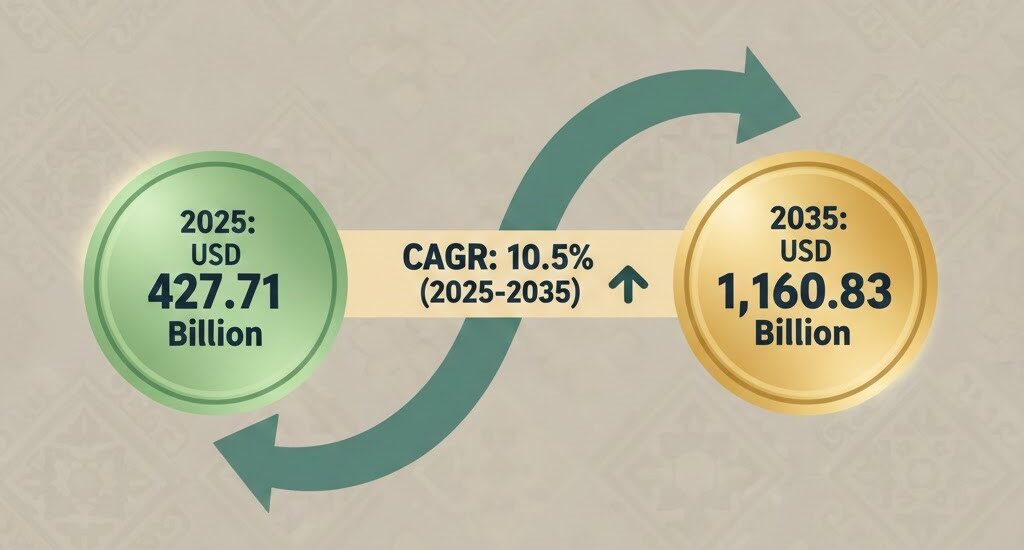
The global handicraft market is poised for phenomenal growth, projected to reach an impressive valuation of USD 1,160.83 billion by 2035, up from USD 427.71 billion in 2025. This surge represents a robust Compound Annual Growth Rate (CAGR) of 10.5% from 2025 to 2035, fueled by evolving consumer preferences, digital advancements, and a renewed appreciation for sustainable, handcrafted goods.
According to the latest insights from FMI, consumers worldwide are increasingly gravitating towards handmade, eco-friendly products that emphasize sustainability, ethical sourcing, and cultural authenticity. This trend is transforming the handicraft industry from a niche market into a mainstream powerhouse. The rise of digital platforms has played a pivotal role in this expansion, enabling artisans and manufacturers—both established and emerging—to reach global audiences directly and forge new growth opportunities.
Subscribe for Year-Round Insights → Stay ahead with quarterly and annual data updates – https://www.futuremarketinsights.com/reports/sample/rep-gb-18752
Country-Specific Highlights & Growth Drivers
- India (14% CAGR): Renowned as a global hub for handicrafts, India benefits from deep artistic traditions, government support, and thriving e-commerce platforms expanding artisans’ global footprint. Government initiatives continue empowering rural artisans and preserving heritage crafts.
- Australia (12.1% CAGR): Growing eco-consciousness and demand for indigenous-inspired crafts bolster market expansion.
- China (10.6% CAGR): Leveraging traditional techniques combined with modern export strategies, China remains a key player.
- Germany (9.7% CAGR): Sustainability-driven demand and seasonal markets promote locally crafted wood, glass, and textile products.
- USA (7.4% CAGR): Ethical consumerism, artisan platforms, and boutique shops stimulate growth, with strong preferences for sustainable, handcrafted textiles, pottery, and woodworks.
- UK: Post-Brexit diversification and cultural appreciation drive demand for bespoke, vintage, and eco-friendly handcrafted items.
- Japan: Heritage crafts like washi paper, lacquerware, and ceramics continue to thrive, supported by government initiatives and tourism.
Competitive Landscape & Innovation Leaders
The handicraft market is characterized by a mix of established giants and innovative newcomers, all striving to capture growing demand with unique, ethically sourced, and high-quality products.
Notable key players include:
- Fabindia: Indian powerhouse connecting artisans to international markets with traditional textiles and home décor.
- Craftsvilla: Popular for its wide variety of ethnic handicrafts and fashion items.
- Varnam: Celebrated for handmade textiles and sustainable product lines.
- Ten Thousand Villages: A non-profit that partners with artisans across 35 countries to promote fair wages and sustainability.
- Novica: Leveraging e-commerce to showcase artisanal crafts globally.
Emerging manufacturers such as Asian Handicrafts Pvt. Ltd. (India), Fakih Group of Companies (Middle East), Shandong Laizhou Arts and Crafts Imp & Exp Co. Ltd. (China), and Oriental Handicrafts Pte. Ltd. (Asia) are rapidly expanding their reach by combining heritage with cutting-edge technology and ethical practices.
Key Market Segments Driving Growth
- By Product:
- Woodworks: Including carved furniture, decorative items, and functional utensils, woodcrafts blend artistry with practicality and remain a favorite for home décor enthusiasts.
- Metal Artworks: Handcrafted brass, silver, copper, and steel items continue to captivate consumers seeking unique decorative pieces.
- Textiles & Embroidered Goods: Handprinted fabrics and embroidery, often showcasing traditional designs, are gaining momentum in fashion and home décor sectors.
- Imitation Jewelry: Offering affordability and intricate craftsmanship, this segment appeals to diverse demographics.
- Others: Ceramics, glass, leather, bamboo, and rattan products form vital complementary categories.
- By End Users:
- Residential: Homeowners are the dominant consumers, driven by a desire to personalize living spaces with culturally rich and eco-conscious décor.
- Commercial: Businesses are increasingly incorporating artisanal products to create distinctive environments and connect with ethically minded clientele.
- By Distribution Channel:
- Specialty Stores and Independent Retailers remain key outlets, focusing on authenticity and curated collections.
- Online Stores and E-commerce platforms are rapidly expanding market reach, empowering small businesses and artisans to tap into global demand.
- Others: Craft fairs, exhibitions, and boutique outlets continue to play important roles in community engagement and brand building.
- By Region:
- North America, Europe, Asia Pacific, the Middle East & Africa, and Latin America are witnessing varied growth rates, with emerging markets like India and Australia leading in CAGR due to cultural heritage and government support.
Strategic Opportunities for Manufacturers and Artisans
- Embrace Digitalization: Leveraging AI, blockchain, and e-commerce will unlock hyper-personalized experiences and transparent supply chains.
- Sustainability as a Core Value: Prioritizing upcycled, natural, and ethically sourced materials resonates deeply with conscious consumers.
- Collaborate with Luxury Brands: Partnerships can elevate handicrafts into the premium segment, expanding market reach and consumer perception.
- Focus on Storytelling: Authentic narratives highlighting artisan communities and cultural heritage enhance product value and buyer loyalty.
Conclusion
The handicraft market is entering a transformative decade where tradition meets innovation. Both established and emerging manufacturers who adapt to new technologies, sustainability demands, and changing consumer preferences are positioned to reap significant benefits. As the market expands globally, the synergy of craftsmanship, digital tools, and ethical business models will redefine handicrafts as not just products but treasured cultural experiences with enduring economic value.
Why FMI: https://www.futuremarketinsights.com/why-fmi
About Future Market Insights (FMI)
Future Market Insights, Inc. (FMI) is an ESOMAR-certified, ISO 9001:2015 market research and consulting organization, trusted by Fortune 500 clients and global enterprises. With operations in the U.S., UK, India, and Dubai, FMI provides data-backed insights and strategic intelligence across 30+ industries and 1200 markets worldwide.
Contact Us:
Future Market Insights Inc.
Christiana Corporate, 200 Continental Drive,
Suite 401, Newark, Delaware – 19713, USA
T: +1-347-918-3531
For Sales Enquiries: sales@futuremarketinsights.com
Website: https://www.futuremarketinsights.com
LinkedIn| Twitter| Blogs | YouTube