The global strapping and banding equipment market is undergoing a dynamic transformation, driven by automation, sustainability initiatives, and the rapid rise of e-commerce logistics. As industries demand greater packaging efficiency and product safety during transportation, the market is poised for steady expansion from USD 2,735.8 million in 2025 to USD 4,387.3 million by 2035, marking a compound annual growth rate (CAGR) of 4.8%.
The growing reliance on automated and IoT-enabled strapping systems underscores the market’s pivotal role in the next phase of industrial packaging evolution.
Subscribe for Year-Round Insights → Stay ahead with quarterly and annual data updates –https://www.futuremarketinsights.com/reports/sample/rep-gb-15479
Meaning and Market Significance
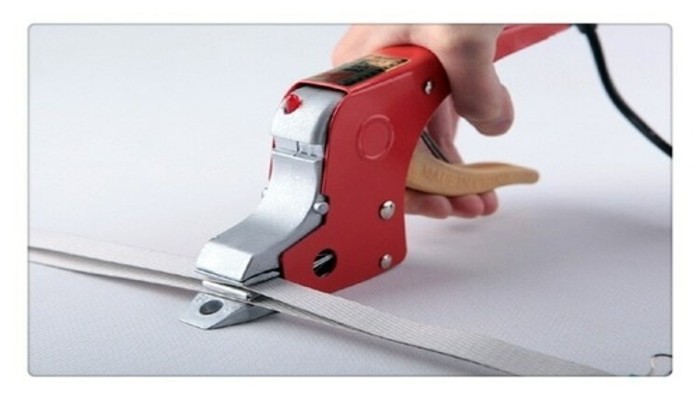
Strapping and banding equipment refers to machines designed to secure goods with straps made of steel, polypropylene, or polyester to prevent movement and damage during handling or transit. These systems enhance load stability, reduce manual intervention, and improve packaging productivity. Whether in construction, logistics, or food and beverage, strapping ensures operational efficiency and product protection, making it an indispensable component of modern supply chains.
With increasing global trade and industrialization, the demand for durable, high-speed, and sustainable packaging solutions continues to surge. Companies are embracing automation not only for cost reduction but also to align with environmental goals, marking a major shift from traditional plastic strapping toward eco-friendly materials.
Market Outlook (2025–2035)
Between 2025 and 2035, the strapping and banding equipment market will see technological acceleration and regional diversification. Automation, smart packaging, and recyclable materials will define industry competitiveness.
- North America and Europe are mature markets, benefiting from established manufacturing sectors and strict packaging regulations.
- Asia-Pacific (APAC) is projected to dominate growth, supported by rising e-commerce, industrialization, and logistics infrastructure.
- Sustainability and digitization will remain at the core of future investments.
Market Overview
The industry’s progress is being shaped by smart automation technologies that integrate AI, IoT, and robotics into packaging operations. Advanced strapping systems can now monitor tension levels, track performance data, and predict maintenance needs—optimizing uptime and reducing costs.
Companies such as Signode Industrial Group, StraPack Inc., Mosca GmbH, and Polychem Corporation are leading this transformation, focusing on high-speed operations, recyclable materials, and energy-efficient machinery.
Growth Drivers
- Rising E-Commerce and Global Trade:
The boom in online retail and cross-border trade has amplified the need for secure, automated packaging. Strapping systems ensure the integrity of goods across long-distance shipments. - Sustainable Packaging Initiatives:
Manufacturers are increasingly shifting toward paper-based and biodegradable strapping materials, responding to global calls for reducing plastic waste. - Technological Integration:
AI-powered and IoT-enabled strapping machines are revolutionizing packaging by offering real-time monitoring, predictive maintenance, and seamless integration with warehouse management systems. - Industrial Automation:
Growing industrial sectors are adopting fully automated strapping lines to improve throughput, precision, and safety, especially in logistics, construction, and food manufacturing.
Demand and Regional Insights
North America maintains a strong foothold, driven by a robust logistics network, increasing adoption of automation, and sustainable packaging preferences.
Europe continues to lead innovation, emphasizing recyclable materials and regulatory compliance with packaging waste directives.
Meanwhile, Asia-Pacific emerges as the fastest-growing region, led by China, India, Japan, and South Korea. Rapid industrial expansion, a thriving e-commerce ecosystem, and manufacturing upscaling are propelling APAC’s market share to record levels.
Trends Shaping the Market
- Automation Dominance: Fully automatic strapping systems are expected to hold over 62.3% market share by 2025, valued for their speed and precision in high-volume packaging environments.
- Vertical Strapping Growth: Vertical systems, which account for 58.9% market share, are widely used for palletized load securing across logistics and warehousing sectors.
- Smart Packaging Evolution: Integration of digital sensors enables companies to track packaging efficiency, reduce downtime, and maintain product traceability.
- Sustainability Leadership: Manufacturers are adopting recyclable, lightweight, and high-tensile materials to meet environmental goals and customer expectations.
Competitive Landscape
The competitive environment is marked by a blend of established global leaders and emerging sustainable innovators:
- Signode Industrial Group (18–22%) – Leading in AI-powered, high-speed strapping equipment.
- StraPack Inc. (12–16%) – Pioneering energy-efficient, flexible banding machines.
- Mosca GmbH (10–14%) – Focused on recyclable, paper-based strapping systems.
- Polychem Corporation (7–11%) – Specializing in PET and steel strapping for heavy-duty industrial use.
- Other Key Players (37–53%) – Including Samuel Strapping Systems, Dynaric Inc., Transpak Equipment Corp., and Cyklop International, all contributing to innovation in packaging efficiency and automation.
Challenges and Opportunities
Challenges:
- High Initial Costs: Small and medium-sized enterprises (SMEs) often face barriers to adopting automated systems due to installation and maintenance expenses.
- Alternative Solutions: Manual and semi-automatic systems remain cost-effective options in developing economies.
Opportunities:
- Sustainable Innovation: Demand for biodegradable and recyclable materials presents new product development opportunities.
- Smart Automation: Integration of AI, IoT, and robotics in packaging machinery is expected to redefine operational productivity and cost efficiency.
Why FMI: https://www.futuremarketinsights.com/why-fmi
About Future Market Insights (FMI)
Future Market Insights, Inc. (FMI) is an ESOMAR-certified, ISO 9001:2015 market research and consulting organization, trusted by Fortune 500 clients and global enterprises. With operations in the U.S., UK, India, and Dubai, FMI provides data-backed insights and strategic intelligence across 30+ industries and 1200 markets worldwide.
Contact Us:
Future Market Insights Inc.
Christiana Corporate, 200 Continental Drive,
Suite 401, Newark, Delaware – 19713, USA
T: +1-347-918-3531
For Sales Enquiries: sales@futuremarketinsights.com
Website: https://www.futuremarketinsights.com
LinkedIn| Twitter| Blogs | YouTube