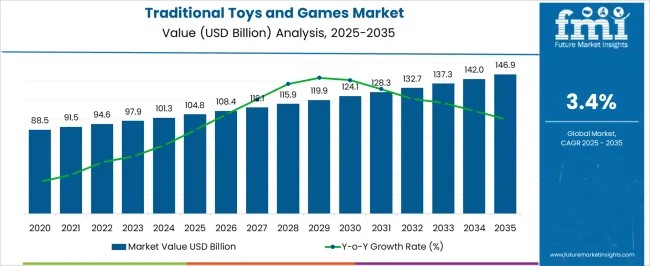
The global Traditional Toys and Games Market is experiencing a renaissance, poised to grow from USD 104.8 billion in 2025 to an impressive USD 146.9 billion by 2035, according to the latest report by Future Market Insights (FMI). With a steady CAGR of 3.4% over the next decade, this market resurgence is fueled by a dynamic mix of established industry giants and innovative new entrants who are leveraging cutting-edge technologies and evolving consumer preferences to reshape the future of play.
Subscribe for Year-Round Insights → Stay ahead with quarterly and annual data updates – https://www.futuremarketinsights.com/reports/sample/rep-gb-4951
Embracing Innovation and Expansion: Established & Emerging Players Making Moves
- The traditional toys and games landscape is witnessing a strategic blend of heritage and innovation. Established manufacturers like Hasbro, Mattel, Lego A/S, and Bandai Namco Holdings continue to lead with iconic product lines such as Barbie, Transformers, and LEGO construction sets. These companies are actively expanding their global footprints through strategic mergers, collaborations, and technology integrations aimed at enhancing product appeal and engagement.
- Simultaneously, emerging manufacturers and regional players, including Funskool (India) Limited and Funko LLC, are making notable strides by integrating cultural narratives and pop culture themes to attract new generations of consumers. For instance, Funskool’s transformation of traditional Indian games into board game formats and Funko’s collaboration with Marvel for innovative micro table gaming systems exemplify the inventive spirit driving market growth.
- These players, old and new, are not only expanding product portfolios but also embracing sustainability by adopting eco-friendly materials and innovative packaging solutions, meeting the growing consumer demand for responsible manufacturing.
Key Segments Driving Market Growth
The FMI report provides an in-depth breakdown of the market’s critical segments, revealing the key factors fueling growth and consumer preference:
- Product Type
- Games and puzzles dominate the market with a commanding 47.3% share in 2025. Their cognitive benefits, family-oriented play opportunities, and enduring replay value keep them at the forefront of consumer demand.
- Construction sets, a fast-growing segment with 17.2% market share, encourage creativity and problem-solving, with major contributions from brands like LEGO and Hasbro’s Jenga.
- Other notable product types include educational toys, plush toys, outdoor and sports toys, dolls, and remote control vehicles, all catering to diverse age groups and interests.
- Material
- Plastic remains the material of choice for 55.6% of the market, prized for its durability, cost-effectiveness, and design flexibility.
- Leading manufacturers are innovating with recyclable and biodegradable plastics, setting new standards in sustainability. Textile, metal, and wood also maintain relevance, especially in eco-conscious and premium product segments.
- Age Group
- The 0 to 18 months category accounts for 42.1% of sales in 2025, driven by a strong parental focus on early developmental toys promoting sensory stimulation and motor skills.
- The 3 to 4 years segment is also gaining traction, with educational toys fostering cognitive development during this critical stage. This demographic is expected to significantly contribute to market expansion through 2035.
- Sales Channel
- Hypermarkets and supermarkets are the leading retail channels with a 25.6% market share, favored for convenience and variety.
- Online sales channels have surged, especially post-pandemic, offering broad accessibility and a platform for innovative product launches and direct consumer engagement.
Regional Insights: Diverse Markets, Unified Growth
- North America
The United States holds a 16.4% market share in 2025, driven by consumer demand for branded and licensed toys such as Hasbro’s Transformers and nostalgic collectibles. Licensing partnerships and multimedia tie-ins boost market appeal and loyalty. - Europe
The UK market is embracing digital integration with innovative products like LEGO VIDIYO, merging physical toys with digital experiences using VR and AI. Europe’s traditional toys and games market is projected to grow at a robust 4.7% CAGR. - Asia-Pacific
China leads the charge with a 7.1% CAGR, powered by a thriving e-commerce ecosystem and a growing trend toward collectibles and limited-edition products. Indian players like Funskool are also innovating by blending cultural heritage with modern gameplay, enhancing local market penetration.
Driving Forces Behind Market Expansion
- Cognitive Development Focus
Parents and educators worldwide increasingly recognize the educational value of traditional toys in fostering problem-solving, hand-eye coordination, and sensory skills. This awareness is significantly boosting demand in homes and educational institutions. - Pop Culture and Nostalgia
Millennials are driving a resurgence in collectibles linked to iconic characters from the ’80s and ’90s, including franchises like Star Wars, Harry Potter, and Toy Story. This nostalgia-driven trend extends across generations, influencing purchasing patterns for both children and adult collectors. - Technological Integration
The integration of AI, VR, and digital platforms into traditional play is opening new frontiers. Products like micro table gaming systems and augmented reality-enhanced toys offer immersive experiences that blend learning and fun, appealing to tech-savvy consumers.
Leading Market Players Shaping the Future
Some noteworthy innovations and product launches include:
- Mattel Inc. released the Celia Cruz doll in 2024, celebrating Hispanic heritage while expanding its culturally diverse product range.
- Lego A/S unveiled the Ultimate Collector Series Star Wars AT-AT with 6,785 pieces, targeting both children and adult enthusiasts with a unique collectible.
- Funko LLC introduced a Marvel collaboration featuring the micro table gaming system ‘Marvel Battleworld: Mystery of the Thanostones’, combining entertainment with interactive play.
- Hasbro, Inc. continues to innovate across its portfolio, launching new products in franchises like Power Rangers, Play-Doh, Dungeons & Dragons, and Peppa Pig, blending traditional play with modern storytelling.
Future Outlook
The traditional toys and games market is on track for sustained growth, driven by evolving consumer values, technological advancements, and expanding global reach. Manufacturers are positioned to capitalize on:
- Increased demand for educational and developmental toys
- The rise of eco-friendly and sustainable materials
- The blending of physical and digital play experiences
- Growth in emerging markets through online and retail channels
Key Segments Overview
- Product Type:
- Games/Puzzles (47.3% market share)
- Construction Sets (17.2%)
- Educational Toys, Dolls, Plush, Remote Control, Outdoor & Sports Toys
- Material:
- Plastic (55.6%)
- Textile, Metal, Wood
- Age Group:
- 0-18 months (42.1%)
- 3-4 years growing rapidly
- Sales Channel:
- Hypermarkets/Supermarkets (25.6%)
- Online channels increasing
- Regions:
- North America, Europe, Asia-Pacific leading growth
Why FMI: https://www.futuremarketinsights.com/why-fmi
About Future Market Insights (FMI)
Future Market Insights, Inc. (FMI) is an ESOMAR-certified, ISO 9001:2015 market research and consulting organization, trusted by Fortune 500 clients and global enterprises. With operations in the U.S., UK, India, and Dubai, FMI provides data-backed insights and strategic intelligence across 30+ industries and 1200 markets worldwide.
Contact Us:
Future Market Insights Inc.
Christiana Corporate, 200 Continental Drive,
Suite 401, Newark, Delaware – 19713, USA
T: +1-347-918-3531
For Sales Enquiries: sales@futuremarketinsights.com
Website: https://www.futuremarketinsights.com
LinkedIn| Twitter| Blogs | YouTube