The global vacuum packaging industry stands at the threshold of a transformative growth phase, driven by a wave of technological innovation and sustainability initiatives from both established giants and agile new manufacturers. As demand soars across food & beverage, pharmaceuticals, industrial components and e-commerce, companies across the spectrum are stepping up to meet evolving needs with smarter, greener packaging solutions.
According to a recent market analysis, the vacuum packaging industry is now increasingly leveraging thicker, high-barrier films, multi-layer structures, recyclable and biodegradable materials, and automation to deliver robust barrier protection, longer shelf life, and reduced environmental footprint. Meanwhile, modified atmosphere packaging (MAP) and flexible vacuum pouches are gaining traction, enabling firms to enhance food safety, cut waste, and satisfy rising consumer demand for freshness and convenience.
A Tiered Market with Clear Leaders — and Room for Disruption
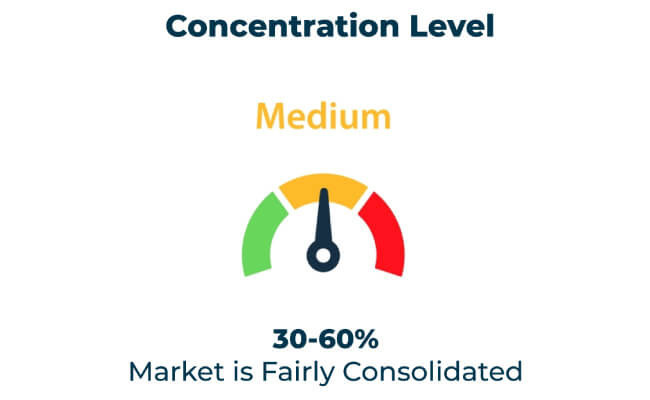
In this evolving landscape, a handful of leading manufacturers continue to dominate: top-tier firms hold roughly 36 % of the global market share, underscoring their leadership in supply-chain integration, film performance, and global reach. Close behind, mid-size “challengers” — and a dynamic class of smaller, niche players — are fueling innovation, especially in sustainable and smart packaging.
Among first-tier leaders, companies that stand out include Amcor, Sealed Air, and Berry Global. These firms are driving the sector forward with high-barrier vacuum films, recyclable packaging for fresh foods, and expanded offerings for the food and healthcare industries.
A second tier, represented by Mondi Group, Winpak, and Coveris, accounts for another large portion of global share, offering cost-effective and sustainable vacuum solutions — especially targeting food, medical and industrial applications.
Beyond that, a growing group of regional and niche manufacturers are making waves by focusing on biodegradable vacuum bags, customized pouches, and smart sealing systems — responding to rising demand for localised, eco-friendly, and specialized packaging solutions.
Innovation Accelerates — From AI-Sealing to Smart, Sensor-Enabled Packaging
Recent industry developments highlight a strong shift toward intelligent, automated, and eco-conscious packaging. For example:
-
Amcor has rolled out fully recyclable, high-barrier vacuum packaging tailored for fresh foods, combining performance with environmental sensitivity.
-
Sealed Air has introduced AI-powered automated vacuum-sealing systems, significantly boosting production efficiency and consistency.
-
Berry Global has expanded its sustainable vacuum-film lineup, catering to both food and healthcare needs.
-
Mondi Group has launched multi-layer biodegradable bags particularly suited to meat and seafood — a nod to packaging demands in highly perishable categories.
-
Winpak has strengthened its tamper-evident packaging solutions for pharmaceuticals, reflecting growing regulatory and safety requirements.
-
Coveris has introduced resealable, recyclable vacuum pouches to serve snacks, dairy, and ready meals — a key step toward consumer-friendly packaging.
-
Niche player Bemis is pioneering smart, IoT-enabled vacuum packaging with freshness-tracking capabilities — a precursor to the “smart package” of tomorrow.
This momentum suggests a future where vacuum packaging does more than just seal air out: packages could automatically signal freshness, monitor temperature or tampering, and integrate with digital supply-chain controls for traceability — transforming packaging from a passive container into an active participant in product lifecycle and safety.
Opportunities for New Entrants and Regional Innovators
For newer manufacturers, small and medium enterprises (SMEs), and regional players — especially in emerging markets — the window of opportunity is wide open. As demand grows, particularly in Asia-Pacific, there is strong scope to offer specialized, flexible, and sustainable vacuum solutions that cater to local industries such as food processing, pharmaceuticals, and e-commerce.
R&D efforts centered on compostable materials, customized packaging formats, and simpler but effective vacuum sealing machines can carve out niches. Partnerships with food producers, retailers, and logistics providers could accelerate adoption — especially when combined with eco-conscious branding and cost-efficient production.
Technological Suppliers: A Call to Action
Technology suppliers supporting the vacuum packaging ecosystem are advised to focus on automation, sustainability, and digital integration. Enhancing sealing and cutting efficiency, creating recyclable or compostable films, and equipping packaging lines with IoT-enabled quality-control and traceability tools will be key to meeting customer needs. Scalability, speed, and sustainability should be guiding priorities.
Looking Ahead: A Roadmap Toward Smarter, Greener, More Resilient Packaging
In the coming years, the vacuum packaging industry is expected to continue evolving rapidly. Key trends to watch:
-
Integration of AI-driven sealing and inspection systems for higher throughput, consistency, and reduced waste.
-
Broader adoption of recyclable, compostable, and biodegradable vacuum films — reducing environmental impact while maintaining protection and shelf life.
-
Deployment of smart packaging with sensors for temperature, freshness, or tamper detection — aiding traceability and consumer confidence.
-
Expansion into emerging economies — particularly in Asia-Pacific — where demand for food safety and affordable packaging is rising fast.
-
Customization and flexible packaging formats to meet diverse needs across sectors — from meat and seafood to pharmaceuticals, ready meals, and electronics.