The global resealable packaging bag market is entering a transformative phase, as both established industry leaders and newer, nimble manufacturers ramp up investments in sustainable materials, smart sealing technologies, and flexible packaging formats. According to the latest comprehensive market analysis, growing demand for convenience, freshness, reusability and environmental responsibility is fueling this evolution — and creating opportunities for players at every tier.
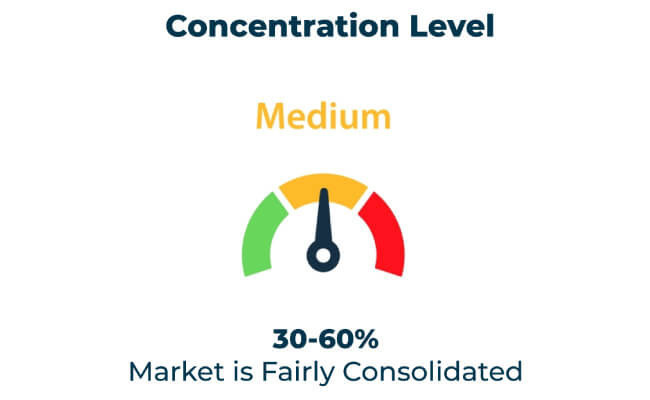
Traditionally, the market has been dominated by large multinational manufacturers such as Amcor, Berry Global and Sealed Air. Together, these companies continue to command a significant portion of global market share — thanks to their established technological capabilities, global distribution networks, and deep expertise in flexible packaging. Their leadership is reaffirmed by a steady rollout of innovative products: recyclable high-barrier pouches, vacuum-sealable packaging to reduce food waste, and advanced sealing systems tailored to evolving consumer needs.
Yet, what makes today’s market particularly dynamic is how newer and smaller manufacturers — many focused on sustainability, regional demand and flexible production — are carving out meaningful niches. Groups such as Mondi Group, Coveris and ProAmpac are capturing growing demand by offering affordable, high-barrier recyclable resealable packaging across food, personal care and other end-use industries. Simultaneously, a constellation of niche and regional players is gaining traction by producing compostable resealable bags, bio-based films, and bespoke packaging solutions tailored to local consumer preferences.
This expansion is not just about more bags — it’s about smarter, more environmentally conscious, and consumer-friendly packaging. Across the industry, there is increased investment in next-gen materials such as biodegradable resins, compostable films, and high-barrier, moisture-resistant laminates that extend shelf life without compromising on recyclability. In parallel, manufacturers are experimenting with “smart resealing” technologies — from self-adhesive and magnetic closure systems to tamper-evident and child-resistant designs — to meet stringent safety standards and evolving customer expectations.
For new entrants and smaller manufacturers, the window of opportunity has rarely been more open. As sustainability and regulatory pressures push brands away from single-use plastics, demand is rapidly shifting toward reusable and resealable packaging. This shift is especially promising in emerging markets and regions where regulatory action makes disposable plastics less viable. Small and mid-size producers who can offer compostable or plant-based resealable solutions, or customize packaging to regional needs, stand to benefit — and in many cases already are.
Meanwhile, for technology and materials suppliers, this is a moment to double down on innovation. The market is calling for:
-
bio-based and compostable films that meet high barrier and strength standards;
-
precision sealing and automation technologies to support scalable production;
-
smart closures — tamper-evident, child-resistant, self-sealing — that add value beyond basic resealing;
-
flexible formats such as stand-up pouches, zipper/press-to-close bags, and vacuum-sealable pouches to meet different end-use requirements;
-
and supply-chain transparency tools (e.g. digital tracking, authentication) to help brands meet regulatory and sustainability standards while building consumer trust.
The combined effect: the resealable packaging bag market is not just expanding in volume — it is evolving in quality, sophistication, and sustainability. As both large incumbents and agile upstarts bring fresh technologies and greener materials into their portfolios, the industry is poised to deliver smarter, safer, and more planet-friendly packaging solutions across food, beverage, pharmaceuticals, personal care, e-commerce and beyond.