The global multi-part labels market is entering an exciting phase of growth and transformation, offering abundant opportunities for both established manufacturers and innovative newcomers. With increasing demand across industries such as food & beverage, pharmaceuticals, logistics, personal care and cosmetics, companies are turning to advanced labeling solutions that promise traceability, security, compliance and enhanced consumer engagement.
According to the latest market analysis, the multi-part labels market — estimated at USD 1.87 billion in 2025 — is forecast to grow to USD 3.11 billion by 2035, representing robust expansion over the coming decade. This growth is being driven not just by traditional demand but by a rising appetite for smart, customizable, and sustainable labeling solutions.
Established Leaders Chart the Course
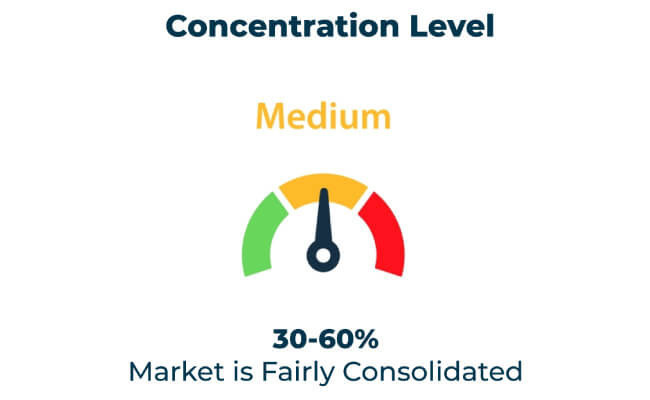
Leading industry players continue to dominate the market by leveraging their technological advantages and global scale. The top three companies — widely recognized for their multi-layer label technologies, automation capabilities and smart-label solutions — remain major contributors to the market’s footprint. Their dominance reflects decades of expertise, strong distribution networks and the ability to serve critical global sectors with consistent quality and innovation.
In addition, a second tier of manufacturers, known for their flexibility and cost-effective solutions, are making a strong impact. These companies cater especially to sectors like logistics, FMCG, and healthcare — offering customizable label formats that meet the varied packaging, tracking, and compliance needs of clients worldwide. Their contributions are vital in serving diversified demand, especially in regions and industries where adaptability and affordability matter most.
A Rising Wave of New Entrants and Niche Innovators
But perhaps the most exciting development is the emergence of regional and niche players specializing in next-generation labeling solutions. These innovators are targeting unmet demands in areas such as security labeling, biodegradable materials, eco-friendly adhesives, and high-resolution printing. Many of them focus on localized production and tailor-made solutions — enabling smaller brands and businesses to access sophisticated labels without committing to large-scale production runs.
This trend makes room for agile players to gain foothold: small firms experimenting with tamper-evident labels, plant-based adhesives, peel-and-reveal multilayer designs, or compostable materials — all of which appeal to environmentally conscious customers and brands under pressure to meet sustainability goals.
Technology-Driven Innovation and Differentiation
At the heart of this transformation is a wave of technological innovation. Companies across tiers are investing in digital printing, AI-powered quality control, smart tracking, and eco-conscious materials.
-
Smart labels embedded with QR codes, NFC, or RFID make it easier for consumers, regulators and supply-chain stakeholders to verify authenticity, trace origin, and check compliance — an increasingly critical need in pharmaceuticals, food & beverage, and luxury goods.
-
Multi-layer, peel-and-reveal and tamper-evident designs enable brands to provide extensive product information (ingredients, nutritional or regulatory data, batch/expiry information) without cluttering packaging — helpful for premium goods and regulated products.
-
Sustainable labeling materials, including biodegradable papers, plant-based adhesives and solvent-free coatings, are gaining traction as companies respond to environmental concerns and tightening regulations worldwide.
-
High-speed digital printing and automation are enabling cost-effective production even for smaller label runs, making advanced labeling accessible to more businesses.
Why Now is the Right Time to Expand or Enter the Market
With global demand rising and expectations shifting toward smarter, safer, and sustainably packaged products, the labeling segment is emerging as a critical battleground for suppliers. For established manufacturers, this presents an opportunity to expand product lines, diversify into smart and eco-friendly labels, and leverage decades of experience. For newcomers, the evolving landscape offers a chance to challenge incumbents by specializing in niche segments — such as tamper-evident, biodegradable or highly customized labels — and partnering with small or regional brands seeking differentiated packaging solutions.
Furthermore, sectors like food & beverage, ready-to-eat meals, personal care, pharmaceuticals and logistics are expanding rapidly, driven by global consumption trends, regulatory demands, and heightened consumer awareness. Multi-part labels — especially barcode and smart labeling solutions — will play a central role in ensuring product traceability, safety, compliance and consumer trust.
What This Means for Industry Stakeholders
-
Manufacturers & Label Suppliers: Now is the time to invest in digital printing infrastructure, sustainable materials, and security/traceability technologies. Diversifying into multilayer, smart and eco-friendly labels can open new revenue streams and market segments.
-
Startups & Niche Players: There is real space for disruption via specialization — offering flexible, customizable, and sustainable labeling solutions tailored to small to mid-size brands. Such firms can thrive by being agile, responsive and innovation-driven.
-
Brand Owners & Retailers: The availability of smart, tamper-evident, and eco-friendly labels allows them to strengthen compliance, minimize counterfeiting, and reinforce brand trust and sustainability credentials — increasingly important in modern consumer markets.
-
Technology Suppliers & Investors: Opportunities abound in supplying digital printing presses, eco-friendly adhesives, RFID/NFC tracking systems, and automation solutions — all essential components for the next generation of label manufacturing.