The sustainable materials industry is witnessing a wave of momentum as the global wood foam market prepares for rapid expansion between 2025 and 2035. Fueled by rising demand for eco-friendly alternatives, a combination of legacy manufacturers and agile newcomers are stepping up — leveraging emerging technologies and renewed market interest to redefine insulation, packaging, and construction standards worldwide.
According to a comprehensive market analysis published recently, the wood foam sector is projected to reach USD 1.9 billion by 2035, with a compound annual growth rate (CAGR) of 8.7% during 2025-2035. This growth reflects a powerful shift: from niche green-material interest toward mainstream industrial adoption.
At the forefront of this transformation are legacy innovators such as Fraunhofer WKI, Pavatex, and Rigifoam — companies long invested in material science and sustainability. Fraunhofer WKI remains a beacon of research-driven development in wood-based foams, continuously refining structural and thermal properties. Pavatex has carved out specialization in high-performance insulation solutions for construction, while Rigifoam champions sustainable packaging, offering biodegradable alternatives to traditional synthetic foams.
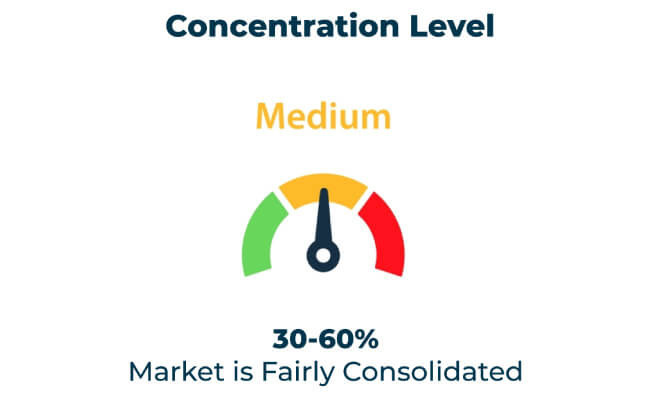
But the momentum isn’t limited to established players. Emerging manufacturers — often smaller, agile firms — are increasingly drawn to the space, eager to leverage rising demand and evolving technology. These newer entrants, though not top-tier yet, hold nearly half of the market share collectively — signaling a growing democratization of wood foam production and a widening base of competition.
Innovation & Technology Driving the New Wave
The current expansion isn’t simply volume-driven; it’s technological. Across the board, manufacturers are embracing advanced engineering to make wood foam more versatile, cost-effective, and sustainable. Notable trends transforming the wood foam landscape include:
-
High-Density Foam Development: New manufacturing processes enable wood foam panels with increased structural integrity — suitable for load-bearing applications in construction or even automotive interiors.
-
Nanotechnology Integration: Some firms are experimenting with nanocellulose and similar technologies to enhance thermal insulation properties, moisture resistance, and overall durability.
-
Automated Production & Scaling: Automation is helping manufacturers — both large and small — reduce waste, improve consistency, and ramp up output sustainably.
-
Hybrid & Composite Materials: Several producers are combining wood fiber with other biodegradable materials, creating composite foams that strike a balance between strength, lightness, and environmental responsibility.
These innovations not only improve performance — they also make wood foam competitive with traditional petroleum-based foams, both economically and environmentally.
Broad-Based Demand Across Industries
The appeal of wood foam spans multiple sectors. In construction, its excellent insulation properties, thermal regulation, and natural aesthetic make it attractive for eco-conscious building projects. In packaging, wood foam offers a biodegradable, shock-absorbing alternative to conventional plastics and Styrofoam — especially valuable for electronics, consumer goods, and other sensitive products. Even the automotive industry is exploring wood foam for lightweight interiors, insulation, and soundproofing, aligning with the global shift toward sustainable, energy-efficient vehicles.
At the same time, rising interest from emerging economies and developing regions opens new geographies for expansion. Manufacturers — both established and new — are viewing this as a prime moment to scale operations, expand footprints, and form strategic partnerships with construction companies, packaging firms, and automotive OEMs.
Challenges — and the Opportunity in Overcoming Them
The growth story is compelling, but not without its challenges. Production costs remain a concern: sustainable manufacturing, raw material sourcing, and advanced processing all add expense compared with traditional foam materials. Some new producers may struggle with economies of scale or with building awareness among potential customers. Additionally, issues such as moisture-sensitivity in certain wood foam variants can limit their application in humid or demanding environments.
Yet industry insiders argue that these very challenges represent opportunities. As production techniques improve, as automation reduces waste and cost, and as R&D expands wood foam’s functional range, new manufacturers can carve out niches — especially by targeting regions or applications that value sustainability.
Looking Ahead: Why Now Is the Time to Invest
With strong growth forecasts, evolving consumer priorities, and tightening environmental regulations worldwide, the wood foam market is uniquely positioned for transformation. Established manufacturers have the pedigree and technical foundation; new entrants bring agility, fresh perspectives, and drive. Together, they form a dynamic ecosystem ready to deliver sustainable solutions across construction, packaging, automotive, and beyond.
For manufacturers, investors, and industry stakeholders seeking to expand business or enter the wood foam market, the current period offers a rare convergence of demand, technological readiness, and regulatory support. As the world moves toward circular economy principles and environmentally responsible materials, wood foam stands out — not just as an alternative, but as a cornerstone for the future of sustainable manufacturing.