As consumer demand for standout unboxing experiences, sustainability, and brand engagement surges, the global promotional packaging sector is entering a phase of dynamic transformation. Established giants and new-generation players alike are ramping up investment — ushering in a wave of innovation that is redefining how products are presented, perceived, and purchased.
According to the most recent industry report on the global promotional packaging market, market value is projected to climb steadily from USD 372.4 million in 2025 to USD 572.9 million by 2035, representing a healthy compound annual growth rate of 4.4%. This forecast underscores the growing recognition of promotional packaging as a strategic tool — not just for protection and logistics — but for brand narrative, consumer experience, and environmental commitment.
At the forefront of this evolution are long-standing heavyweights who have built their reputations on scale and consistency. The so-called “Tier 1” companies — including Amcor Plc, Mondi Group and WestRock — continue to lead with high-impact, premium deliverables. In the past year alone, these firms have rolled out major innovations: Amcor introduced fully recyclable promotional packaging; Mondi launched AI-driven, custom-printed sustainable packs; and WestRock unveiled premium luxury-orientated cartons designed to elevate brand perception across retail and e-commerce channels.
Meanwhile, a second wave of manufacturers — ones often seen as “challengers” or rising stars — are pushing boundaries by blending cost-efficiency with flexibility, customization, and sustainability. Players such as Sealed Air Corporation, UFlex and Huhtamaki are expanding their portfolios with eco-friendly, interactive and personalized packaging solutions targeting mid-size food, beverage, cosmetics, and retail brands. What they might lack in scale compared to the giants, they more than make up for in agility — swiftly responding to shifting consumer tastes and regulatory pressures demanding greener options.
The market’s segmentation reveals deep transformation in both materials and applications. Paper-based packaging continues to dominate the material mix, favored for its recyclability, print-friendliness, and structural flexibility — making it ideal for folding cartons, gift boxes, sleeves, and other bespoke promotional formats. The prominence of paper also reflects the industry’s drive to move away from single-use plastics, aligning with growing environmental awareness and regulation. At the same time, plastic, glass, metal, and hybrid formats remain relevant for specialized applications.
In terms of end-use, food and beverages represent the largest segment — a testament to the increasing importance of shelf-ready, visually appealing and protective packaging for perishable products. Cosmetic and personal-care brands, specialty retailers, and e-commerce businesses are also leaning heavily on promotional packaging to distinguish themselves, create emotional resonance, and boost brand loyalty.
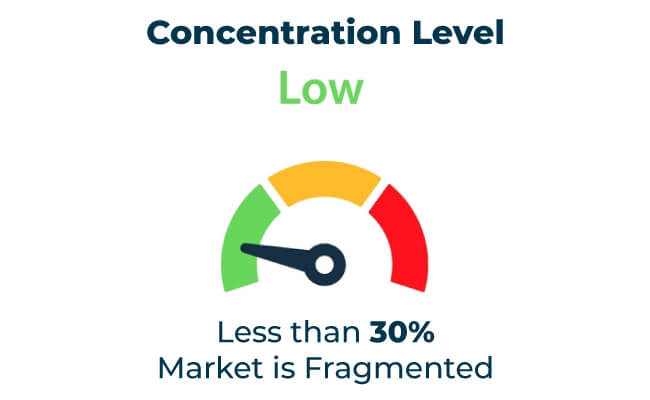
What’s particularly compelling is how these shifts are amplifying opportunities not just for big players but also for smaller and regional manufacturers. The report describes the market as moderately fragmented, with “Tier 2” and “Tier 3” vendors — smaller firms with niche capabilities — making up a significant portion. These companies provide flexible, low-cost, and highly customized packaging solutions: from biodegradable gift boxes with embossed textures to compact retail-ready display packs and eco-friendly designs tailored for emerging markets.
Technology is playing a central role in this renaissance. Innovations such as AI-driven printing and quality control, interactive packaging features (including QR codes, AR/VR integrations or embedded digital content), water-based inks, compostable substrates, and premium finishing techniques are transforming packaging from a back-end cost line into a marketing asset. For brands operating across retail, e-commerce, and omnichannel environments, packaging is fast becoming a front-line brand touchpoint — one that can deliver memorable “unboxing” moments, communicate sustainability credentials, and reinforce brand identity.
In the coming years, as environmental awareness deepens and regulatory pressures on plastic use intensify, demand for recyclable and biodegradable promotional packaging is only expected to grow. This shift opens a window of opportunity for both traditional manufacturers willing to innovate and new entrants offering nimble and eco-conscious solutions.
The forecast paints an overall optimistic view: A market growing at roughly 4–5% annually, with increasing diversification of players, materials, and technological capabilities. As such, industry analysts recommend that packaging technology suppliers and vendors prioritize sustainable practices, automated production, AI-driven customization, and premium finishing to meet evolving consumer expectations and regulatory demands.
In sum, the promotional packaging market is no longer just a backend support function. It has emerged as a strategic frontier where marketing, sustainability, experience, and technology converge. Established leaders are reinforcing their positions, and newer, agile manufacturers are carving out niches with bold moves and fresh thinking — together pushing the envelope on what packaging can do.