The world of advanced materials is on the cusp of a dramatic shift as the global graphene films market accelerates toward a projected value of US$2.3 billion by 2035, rising at a healthy compound annual growth rate (CAGR) of 8.2% between 2025 and 2035. This remarkable growth is fueling momentum not only among established industry leaders but also among new, ambitious manufacturers looking to expand their footprint and push technological boundaries.
At the forefront of this expansion are veteran firms such as Graphenea, Haydale Graphene Industries and ACS Material — recognized globally as Tier-1 leaders in high-performance graphene films. These companies are building on their strong foundations by refining production techniques, scaling operations, and expanding application portfolios. For example, Graphenea has invested heavily in advanced, cost-effective manufacturing methods like chemical vapor deposition (CVD), enabling scalable production that meets stringent industrial demands. Haydale has focused on developing biocompatible, functionalized graphene films — ideal for medical devices, energy solutions, and sustainable composite materials — while ACS Material continues to provide high-quality, durable graphene films tailored for rigorous industrial and scientific use.
But the story is no longer limited to the big names. The expanding market opportunity — driven by demand in electronics, energy storage, healthcare, and more — has sparked renewed activity from newer, smaller or mid-sized manufacturers. These emerging players are eager to carve out their share of the growing pie by developing niche solutions, innovative production methods, or specialized applications. As the market evolves, collaboration between established titans and up-and-coming disruptors is becoming increasingly common, enabling the industry to remain dynamic, diverse and innovation-driven.
Market Trends Fueling Expansion
Several key trends are shaping this growth and opening opportunities for both established and new entrants:
-
Rapid demand from electronics and flexible devices: As demand rises for flexible displays, wearables, sensors, and transparent conductors, graphene films — known for their extraordinary conductivity, transparency, flexibility, and mechanical strength — are increasingly replacing traditional materials such as indium tin oxide (ITO). This shift is opening vast opportunities for manufacturers who can deliver high-quality films at scale.
-
Energy storage and renewable applications: Graphene’s exceptional thermal and electrical properties make it a promising material for next-generation batteries, supercapacitors, and renewable-energy storage solutions. Manufacturers pioneering scalable graphene production are poised to cater to growing demand in the energy and clean-tech industries.
-
Healthcare and biomedical adoption: Graphene films with tailored biocompatibility and functionalization are gaining attention for use in biosensors, medical devices, drug-delivery systems, and implants. As research and commercialization converge, smaller, agile firms may find niches where customized graphene solutions — rather than mass-market films — are needed.
-
Sustainability and eco-friendly materials: With rising global emphasis on sustainable, energy-efficient, and recyclable materials, graphene films offer a compelling alternative. Manufacturers embracing “green” production processes, waste reduction, and lifecycle thinking will likely gain a competitive edge.
-
Scalable production technologies: Innovations such as roll-to-roll processing, improved CVD, and other high-volume graphene manufacturing methods are lowering barriers to entry. This opens the door for newer firms to enter the market without the heavy capital expenditures previously required, and allows established players to ramp up capacity cost-effectively.
Competitive Landscape — Room for All Players
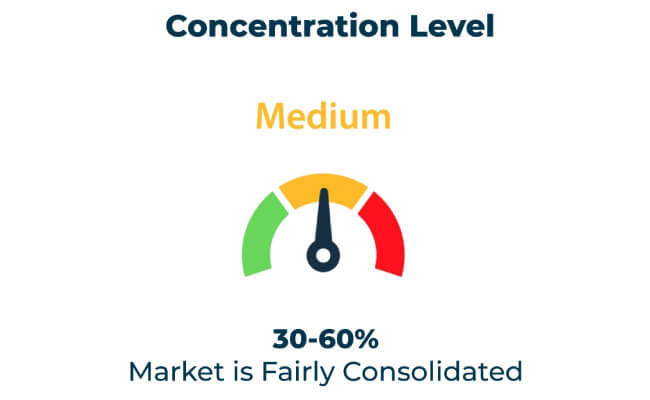
The market enjoys a moderate level of concentration: the top 10 manufacturers together control roughly 45% of industry share, while the remainder is held by a diverse array of mid-tier and smaller players. This balance ensures a competitive yet attainable environment for newcomers.
Established leaders continue to hold sway — thanks to scale, R&D capabilities, and proven track records — but the growing demand across varied end-use sectors is giving smaller, specialized manufacturers an opportunity to shine. In particular, firms focusing on niche segments such as biomedical applications, custom industrial films, or regional supply may find ample space to grow.
Why Now Is the Time for Expansion
For manufacturers evaluating entry or expansion in graphene films, several factors combine to make the next few years a critical growth window:
-
Strong market growth forecast — A projected global value of US$2.3 billion by 2035 reflects increasing adoption across industries, from electronics and energy to healthcare and beyond.
-
Diverse, growing demand base — As applications proliferate, demand is not limited to any single sector — creating multiple paths for success.
-
Lower barriers to production — Advances in scalable manufacturing reduce capital intensity, enabling smaller firms to compete.
-
Growing collaboration culture — Partnerships between research institutions, academia, startups, and traditional manufacturers accelerate innovation and open doors to new applications.
-
Sustainability as a differentiator — Firms adopting eco-friendly, recyclable, or energy-efficient production can appeal to increasingly environmentally conscious customers and regulators.
A Call to Action — For New Entrants and Established Leaders Alike
This is more than a market trend — it is a call to action. Established manufacturers should leverage their strengths to scale further and diversify into energy, healthcare, and sustainable materials. New and emerging companies should take advantage of technological advances and democratized scalability to bring specialized, innovative graphene solutions to market.
To succeed, companies will need to focus on robust supply chains, strategic collaborations, sustainable practices, and targeted R&D to unlock the full potential of graphene films. The time is ripe for an ambitious expansion — driven by vision, science, and market demand.