The global slip-tip syringe market is entering a phase of dynamic growth, as both long-standing manufacturers and a new generation of agile innovators seek to expand their footprints through advanced technologies, sustainable materials, and tailored solutions for evolving healthcare demands.
According to a recent market share analysis report for 2025–2035, the slip-tip syringe market was valued at an estimated USD 1.6 billion in 2025, and is projected to reach around USD 2.9 billion by 2035 — reflecting a healthy compound annual growth rate (CAGR) of approximately 6.0 percent. The growth is being driven by rising demand for high-precision, safe, and cost-effective injection systems across diverse domains including hospitals, pharmaceuticals, biotechnology, and research laboratories.
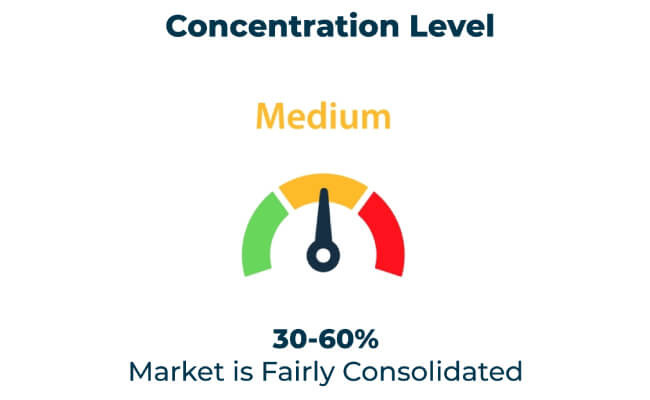
At the heart of this expansion are established global players such as Becton, Dickinson and Company (BD), Terumo Corporation, and Nipro Corporation — collectively recognized as Tier 1 leaders. These firms currently command over one-third of the overall market by leverage of their robust manufacturing processes, strict sterile-technology controls, and extensive distribution networks. Their strength lies in delivering safety-enhanced syringes, prefilled products, and reliable supply chains that meet stringent regulatory standards.
In parallel, a second wave of manufacturers — including players classified as Tier 2 such as Cardinal Health, Medline Industries, and Smiths Medical — are steadily increasing their share, focusing on cost-efficient production and expanding access to hospitals, outpatient clinics, and research facilities. Many of them have started adopting environmentally conscious practices such as recyclable or eco-friendly materials, positioning themselves to meet growing global sustainability expectations.
Beyond these, a growing number of regional manufacturers, private-label producers, and nimble start-ups — often grouped as Tier 3 — are making their presence felt. These newer entrants bring agility and innovation to the table, especially in specialized niches: ergonomically designed syringes, low-dead-space models to reduce drug wastage, and disposable options built for specific markets like biologics, vaccines, or chronic therapy administration. Some even envision integrating smart technologies, pointing toward a future where “smart syringes” with tracking or sensor capabilities may become a reality.
This surge of interest from both established incumbents and ambitious new manufacturers reflects broader shifts in the healthcare landscape. Hospitals and clinics — the dominant end-user segment — continue to demand syringes that combine precision dosing, sterility, ease of use, and affordability. As the global healthcare sector evolves, these attributes are becoming non-negotiable. For pharmaceutical manufacturers, laboratories, biotech firms, and veterinary medicine practitioners, the ability to rely on syringes that meet exacting specifications, minimize waste, and comply with regulatory norms is driving demand.
In response to this demand, leading companies have recently unveiled a range of innovations. For instance, BD has introduced RFID-enabled syringes to support real-time inventory tracking, reducing risk of stockouts and improving supply-chain transparency. Terumo has rolled out low-dead-space syringes designed to minimize medication wastage — particularly important for costly drugs and biologicals. Nipro is investing in AI-powered automation to boost manufacturing precision and scale, while Cardinal Health expands its prefilled syringe offerings tailored for vaccines and biologic therapies. Medline Industries has moved toward sustainable single-use syringes with recyclable components, showing a growing commitment to environmental responsibility.
These developments suggest that the slip-tip syringe market is not just growing in size, but evolving in sophistication. The future roadmap for the industry appears to center on several key themes: sustainable materials to meet global environmental norms; customization and niche-focused designs for diverse therapeutic and diagnostic applications; smart, IoT-enabled tracking and inventory management; and manufacturing automation driven by AI to ensure both quality and scalability.
For new and regional manufacturers eyeing this space, the message is empowering: this is a moment of opportunity. The market’s evolving requirements — from sustainability to precision, from cost-efficiency to smart integration — give nimble players a chance to carve out unique positions, especially in emerging geographies and specialized use cases. By focusing on lean manufacturing, targeted innovations, and responsive supply-chain practices, newcomers can challenge incumbents and capture growing demand across hospitals, clinics, labs, and veterinary setups globally.
In short, the global slip-tip syringe market is entering a vibrant growth phase — led by established giants, broadened by mid-tier players, and energized by ambitious newcomers embracing innovation and sustainability. As demand for safe, efficient, and specialized syringe solutions intensifies across healthcare and research sectors, companies of all sizes have a real shot at shaping the next chapter of this market.
About the Report
This press release is based on the latest market share analysis of the global slip-tip syringe industry for 2025–2035, which provides vendor classification, market size projections, segmentation by syringe type and usage, and insights into growth drivers and emerging trends.