As global demand for sustainable, lightweight, and visually appealing packaging surges, the boxboard packaging industry is on the brink of a dramatic transformation. According to the latest market forecast, the global boxboard packaging market — currently valued at USD 70.4 billion — is projected to more than double to USD 132.22 billion by 2035, driven by a robust compound annual growth rate (CAGR) of 6.5%.
This moment marks a powerful convergence: long-standing industry leaders scaling up their green, high-performance offerings, while nimble new manufacturers and regional players bring fresh technologies and bespoke solutions to the table.
At the forefront of this growth are well-established global players such as International Paper, WestRock and Stora Enso — companies that have built their leadership through decades of experience, capacity, and trust. These firms are rapidly expanding their product lines to include lightweight, highly recyclable boxboard solutions that meet growing demand for eco-friendly packaging across industries.
Complementing them are significant contributors such as Smurfit Kappa, DS Smith and Mondi Group — medium to large-scale manufacturers who are carving out their share of the evolving market by embracing sustainability, flexible designs, and efficient supply-chain strategies. Beyond the “big names,” a wave of regional and specialized manufacturers including MM Group, Cascades, Nippon Paper Group, Oji Holdings and Rengo Co., Ltd. are also gaining traction — especially in high-growth markets across Asia Pacific, where consumers and regulators are increasingly demanding environmentally responsible packaging solutions.
What’s fueling this dramatic growth? A combination of shifting consumer preferences, global sustainability imperatives, and technological innovation. Boxboard’s recyclability and eco-friendliness resonate strongly with brands and end-consumers alike, especially in sectors such as food & beverages, personal care, cosmetics, healthcare, and retail. At the same time, manufacturers are investing heavily in advanced materials, improved coating and barrier technologies, and high-quality printing capabilities to meet demands for aesthetic appeal, packaging durability, and brand differentiation.
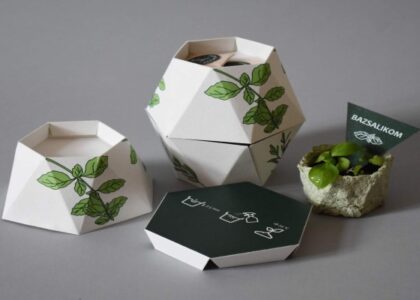
Digital printing and customizable finishes are enabling brands to differentiate packaging tailored to premium products, while barrier coatings are extending shelf life and improving protection against moisture or contaminants — key for food, cosmetics, and pharmaceutical packaging. These advances are enabling boxboard to evolve beyond standard cartons and trays, enabling sophisticated packaging formats such as sleeves, clamshells, slipcases, and specialty retail boxes.
The competitive dynamics of the market reflect this shift. While the top three players hold a notable share of the global market, the next tier of established firms and the growing cadre of specialized and regional producers jointly account for a significant portion of the market — creating a diversified vendor ecosystem that balances scale, innovation, flexibility, and sustainability.
Looking ahead to the next decade, the growth trajectory of boxboard packaging is expected to accelerate further, driven by rapid urbanization, growth in e-commerce and modern retail, evolving consumer expectations, and regulatory push toward recyclable packaging practices. Emerging markets — particularly in Asia Pacific — are forecast to outpace global growth, with India among the countries set to see high demand as consumers shift toward branded, packaged goods, and as local manufacturers adopt sustainable production practices.
Moreover, as packaging continues its evolution from a simple protection medium to a core element of branding, storytelling and user experience, boxboard — with its combination of eco-credentials, design flexibility, durability and cost-effectiveness — is well positioned to become the material of choice across industries.
For new entrants and regional manufacturers, the current environment offers a golden opportunity: by focusing on niche segments — such as premium personal care, cosmetics, specialty foods or healthcare — and by embracing innovation in coatings, printing, and sustainability, they can compete head-on with global giants in offering value-added packaging solutions. And for established players, this is a chance to deepen their foothold, expand their portfolios, and set higher standards for sustainable packaging worldwide.
In short: the boxboard packaging industry is evolving — fast — and those who embrace sustainable materials, advanced technology, and market-specific customisation are likely to lead the charge. As the global market marches toward USD 132.22 billion by 2035, a new generation of packaging manufacturers — large and small — are rising to meet the moment.