As global concern over environmental sustainability and plastic pollution intensifies, the compostable and biodegradable refuse bags market is entering a significant growth phase. According to recent market insights, the industry is projected to reach a value of USD 414.6 million by 2035, growing at a steady compound annual growth rate (CAGR) of 5.2% over the next decade.
This growth is fueled by a confluence of regulatory pressure, rising environmental awareness, and major technological advances — setting the stage for both established and new-entrant manufacturers to expand, innovate, and capture opportunity.
🔹 Momentum from Global Trends
Governments worldwide are increasingly enacting bans and restrictions on single-use plastics, creating a regulatory environment that favors biodegradable alternatives. At the same time, consumers and businesses alike are rethinking their plastic footprint — opting more frequently for eco-conscious waste solutions.
Compostable and biodegradable refuse bags, often made from plant-based raw materials such as polylactic acid (PLA), starch blends, and polyhydroxyalkanoates (PHA), are emerging as viable substitutes for conventional plastic waste bags. Their adoption spans residential households, commercial establishments, and institutional waste management services — marking a shift toward circular-economy thinking and sustainable waste practices.
🔹 Key Players Leading the Charge
Within this transforming space, a handful of companies have already established themselves as leaders: innovators who combine environmental commitment with durability and performance. Among them are:
-
BioBag — renowned for consistently high-quality compostable refuse bags designed for both household and commercial use.
-
Novamont — a technology leader, leveraging its advanced biopolymer know-how to deliver biodegradable solutions that meet performance expectations.
-
BASF — offering its “Ecovio” line, known for blending compostability with robust strength and reliability.
These established firms are not standing still. They continue to expand their product portfolios, refine formulations for enhanced durability, and scale manufacturing to meet rising global demand.
🔹 New and Emerging Manufacturers: The New Growth Engine
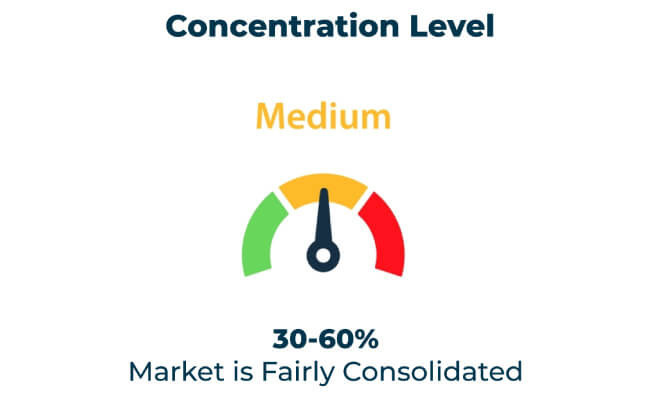
Beyond the big three, the market is witnessing a surge in new and emerging manufacturers eager to capitalize on rising demand. These newer players — part of the “Next 20” and “Remaining Players” categories — already account for a substantial share of the total market.
What distinguishes these newcomers is their agility: they are embracing innovation with lighter-weight bag designs, experimenting with novel plant-based polymers, and offering customizable solutions for niche waste management needs. Their strategy often involves aligning with local governments or municipalities, tapping into e-commerce distribution, and offering branded, green-label refuse bags to environmentally conscious consumers and businesses alike.
With 40% of the market projected to come from these “Next 20” players, plus another 29% from smaller regional or niche brands, these emerging manufacturers are helping to democratize access to compostable waste solutions across regions, including developing markets where adoption is only just beginning.
🔹 Technology & Innovation — Strength Meets Sustainability
A core driver of this momentum is technological evolution. Biopolymers have become stronger, more flexible, and more cost-effective. Recent innovations include:
-
Improved biodegradable materials that do not compromise on strength or durability.
-
Water-soluble bag variants tailored for specific, controlled waste applications.
-
Adjustable bag formats — from small household liners to large industrial-scale refuse solutions — catering to a broad spectrum of waste management needs.
-
Production processes that emphasize renewable raw materials (e.g., corn, sugarcane), energy-efficient manufacturing, and reduced carbon footprint.
These advances not only make biodegradable refuse bags practically viable, but also more attractive to large-scale adopters such as municipalities, waste-management companies, and retailers looking to enhance their sustainability credentials.
🔹 Challenges, But Tremendous Opportunity Ahead
Despite strong tailwinds, the shift to biodegradable refuse bags isn’t without hurdles. Production costs remain higher than traditional plastic bags, which can deter price-sensitive consumers or budget-conscious waste management services. In many regions, composting infrastructure is still underdeveloped — limiting the ability to manage biodegradable waste properly.
Additionally, awareness and understanding of compostable vs. traditional plastic bags remains uneven in some markets.
Still, for manufacturers willing to invest in innovation, and for partners willing to collaborate — whether governments, local municipalities, or retail chains — the opportunities are vast. The combination of increasing demand, favorable regulations, and evolving consumer attitudes suggests a bright future.
🔹 Call to Action: For Manufacturers, Governments, and Retailers
For manufacturers — established and emerging alike — now is the time to double down on research & development, scale up efficient production, and offer a variety of bag solutions aligned with end-user needs.
Governments and municipalities should consider incentivizing compostable bag adoption, expanding composting infrastructure, and partnering with manufacturers to roll out waste-management programs that reduce reliance on single-use plastics.
Retailers and businesses — especially those in sectors like food service, hospitality and waste-management services — stand to benefit by aligning with consumer demand for sustainable products and strengthening their environmental credentials.