The global digital label printing market is undergoing a transformative phase, as both long-standing industry leaders and newer, agile manufacturers accelerate investments in advanced printing technologies, sustainability, and smart packaging solutions. Recent analysis by market research firm Future Market Insights reveals a dynamic landscape where tradition and innovation converge — paving the way for rapid expansion, deeper market penetration, and technological breakthroughs.
According to the 2025 industry report, the digital label printing sector holds an estimated market value of USD 12.3 billion, with forecasts projecting growth to USD 20.6 billion by 2035. This trajectory reflects a compound annual growth rate (CAGR) of 5.3% over the next decade — a robust marker of steady demand across multiple industries.
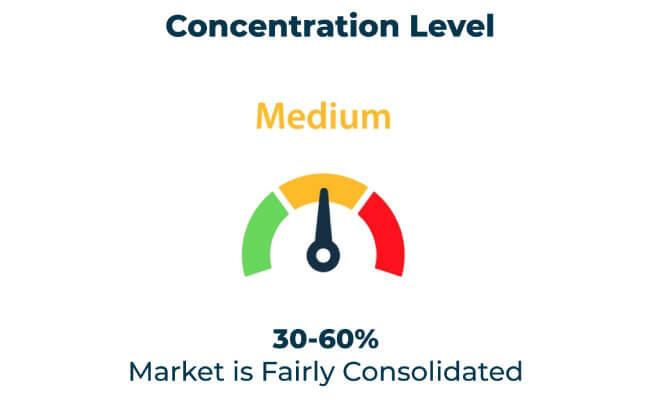
At the forefront of this transformation are traditional leaders such as HP Indigo, Xeikon, and Canon, whose dominance continues to shape market trends. Together, these top-tier vendors command a significant portion of global market share, thanks to their global networks, deep expertise in printing technologies, and close collaborations with packaging brands. Their ongoing investments underscore an industry-wide shift toward integrating high-performance label printing with sustainable and flexible production models.
In parallel, a competitive cohort — including the likes of Epson, Durst, and Domino Printing — is also making strong inroads. These second-tier players are carving out valuable niches by offering cost-effective, high-speed digital label printing solutions that respond to the needs of manufacturers, retailers, and brands seeking agility and customization. Their growing presence underscores the shifting balance in the industry, as customers increasingly demand shorter print runs, faster turnaround times, and greater flexibility.
Beyond the familiar names, an expanding cadre of regional and niche players — many focused on eco-friendly label printing, bespoke design services, and industry-specific solutions — is helping to diversify the market. These specialists, though smaller in scale, appeal to clients with unique labeling needs, such as sustainable packaging, local supply-chain agility, or regulatory compliance for sectors like food, pharmaceuticals, cosmetics, and e-commerce.
Innovation Meets Sustainability: What’s New
The push for sustainability and efficiency is fueling the adoption of new materials and technologies across the industry. Manufacturers are increasingly offering labels printed with water-based or UV/hybrid inks, and leveraging recyclable or compostable substrates — responding to both consumer preferences and tightening environmental regulations. Smart labels that integrate technologies like QR codes and NFC chips are gaining traction, enabling interactive packaging and real-time consumer engagement.
Moreover, the transition toward shorter print runs and personalized packaging is accelerating the demand for on-demand and variable-data printing. This trend is particularly strong among food & beverage, cosmetics, personal-care, pharmaceutical, and e-commerce brands, which value flexibility, traceability, and speed.
Leading Firms Make Bold Moves
Several leading manufacturers have already introduced cutting-edge solutions in the last 18 months. HP Indigo rolled out high-speed digital label presses using water-based inks — combining speed with environmental consciousness. Xeikon expanded its dry-toner platforms to cater to food-safe labels, while Canon launched hybrid inkjet systems delivering high-resolution output. At the same time, Epson is leveraging AI-driven automation to strengthen its on-demand label printing portfolio; Durst has unveiled energy-efficient UV inkjet presses; Domino Printing launched variable-data printing solutions tailored for pharmaceutical compliance; and others are advancing digital embellishment and premium-label finishing.
Why the Timing Matters
These developments come at a time of rising demand for sustainable packaging, accelerated by global consumer trends, regulatory changes, and growing e-commerce penetration. Brands are increasingly seeking short-run, flexible, and high-quality label solutions — and digital label printing provides the agility and efficiency to meet those needs. With pressures to minimize waste and reduce environmental footprint, water-based inks, recyclable substrates, and smart-label technologies are no longer optional — they’re quickly becoming standard.
The Road Ahead: What’s Next
As the digital label printing industry marches into the next decade, the winners will be those who can integrate high-speed print hardware with intelligent, software-driven workflows, sustainable materials, and scalable operations. Future growth is expected to hinge on several key trends:
-
Sustainable materials & eco-friendly inks: As environmental regulations tighten and consumers demand greener packaging, water-based, compostable, and recyclable substrate solutions will gain prominence.
-
Automation & cloud workflows: AI-driven print job automation, cloud-based print management, and predictive maintenance will help printers increase efficiency, reduce downtime, and minimize waste.
-
Smart labels & interactive packaging: Integration of QR codes, NFC chips, and even IoT-enabled traceability solutions will make labels more than just identifiers — they will become tools for engagement, compliance, and supply-chain transparency.
-
Customization & scalability: Demand for short-run, customized labels will continue to rise, driving growth in on-demand, variable-data printing services, especially among e-commerce, cosmetics, pharma, and food & beverage brands.
For Manufacturers Big and Small — The Opportunity Is Clear
For established manufacturers, this is a moment to double down — to invest in next-generation presses, eco-friendly materials, and software automation so they can retain leadership in a rapidly evolving market. For new or niche players, there’s a unique window to capture share by offering tailored solutions: localized production, sustainable practices, and specialized label systems that meet the needs of small brands, regional producers, and compliance-conscious sectors.