The global adherence packaging industry is entering a period of dynamic transformation. With the mounting need for medication compliance, patient safety, and regulatory compliance — particularly in long-term care, retail pharmacies, hospitals, and telepharmacy — both long-standing manufacturers and new innovators are stepping up efforts to expand their footprint and deliver next-generation adherence solutions.
According to recent market analysis, the global adherence packaging sector is expected to grow from an estimated USD 1.1 billion in 2025 to around USD 2.1 billion by 2035, reflecting a healthy compound annual growth rate (CAGR) of approximately 6.5%. This growth trajectory is driven by rising demand for chronic-disease medication management, an aging global population, and a continuing shift toward outcome-based, patient-centric healthcare.
Established Leaders Lead the Way — With an Eye on Innovation
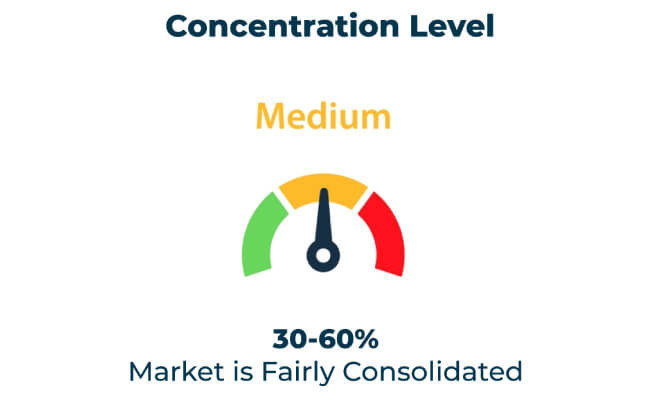
Dominating the market, industry stalwarts such as Omnicell, McKesson, and Cardinal Health continue to shape the future of adherence packaging. Known for their large-scale automation capabilities and global distribution networks, these firms together hold a substantial portion of the market. Their legacy in high-volume production and reliability gives them an edge as demand scales globally.
Yet, even these established players are evolving — embracing advanced technologies like cloud-connected systems, tamper-evident packaging, and IoT-enabled smart dispensers. Recent launches of cloud-based adherence solutions and upgrades in automated multi-dose packaging reflect their commitment to innovation while maintaining stability and scale.
Emerging Innovators Carve Out Space with Smart, Patient-Centric Solutions
At the same time, a new wave of manufacturers and packaging specialists is gaining traction by focusing on agility, customization, and technology integration. Firms such as RxSafe, Parata Systems, TCGRx, MedMinder, Drug Package and Catalyst Healthcare — among others — are introducing AI-powered monitoring, RFID-enabled blister packs, smart pill dispensers, and customized multi-dose blister solutions to support patient adherence, especially among seniors and chronic-care populations.
These agile innovators are capitalizing on a growing need for personalized, tamper-evident, and sustainable packaging — integrating features like QR codes, NFC chips, blockchain-based traceability, and cloud-based analytics. Their emphasis on smaller-volume production, flexibility and rapid deployment makes them ideal partners for pharmacies, long-term care facilities, and telepharmacy services launching or scaling medication-adherence programs.
Sustainability, Automation & Digital Health — The Triple Drivers of Market Momentum
Across the board, sustainability has become a major priority: manufacturers are increasingly embracing recyclable or biodegradable materials without compromising the barrier and stability requirements of pharmaceutical packaging. Meanwhile, automation remains a key enabler — high-speed robotic dispensing, automated multi-dose filling, and cloud-based prescription management streamline processes for pharmacies, care homes, and hospitals alike.
On top of that, digital health integration — including AI-driven adherence analytics, predictive reminders, and real-time monitoring — positions adherence packaging solutions not just as containers but as active participants in patient care and medication compliance. As regulation tightens around pharmaceutical traceability and patient safety, packaging that offers tamper evidence, accurate dosing, and adherence tracking becomes a differentiator.
A Call to Industry: Collaborate, Innovate, Expand — Especially in Emerging Markets
With growth opportunities expanding globally, the adherence packaging sector presents a compelling landscape for manufacturers, technology providers, pharmacies, and healthcare institutions to collaborate. Particularly in high-growth regions — notably Asia-Pacific — where cost-effective manufacturing intersects with growing demand for chronic disease management, there is room for both large and small players to expand their presence.
For technology suppliers and packaging companies, the message is clear: innovation matters. By investing in AI-powered automation, sustainable materials, digital tracking, and scalable production, manufacturers can stay ahead of evolving regulatory standards and deliver real value to patients, providers, and payers alike.
As the market moves toward a future where adherence packaging is not merely a box but a connected, intelligent system, both established players and new entrants have a chance to shape the evolution of medication management — improving patient outcomes, scaling cost-efficient manufacturing, and redefining what it means to comply with care.