The retail glass packaging market across the Gulf Cooperation Council (GCC) region is set to enter an exciting new phase of growth and transformation. A recently released analysis of the GCC Retail Glass Packaging Market highlights not only the rise of established global leaders but also the growing influence of fresh innovators leveraging cutting-edge technologies—and together, they are reshaping sustainable packaging across food, beverage, personal care, and pharmaceutical sectors.
A Region Ripe for Sustainable Innovation
Fueled by increasing environmental awareness, stricter regulations on single-use plastics, and a booming food-and-drink market, the GCC glass packaging industry is experiencing robust growth. Consumers are increasingly seeking premium, recyclable packaging, prompting manufacturers to design glass solutions that are lighter, more durable, and visually compelling.
Governments across the GCC are supporting this shift with policies favoring eco-friendly materials, while major brands—from luxury fragrances to regional beverage companies—are racing to partner with glass producers that deliver both aesthetics and sustainability.
Established Leaders Driving the Market
Leading this surge are well-known global names who are leveraging their experience and scale to meet the region’s evolving needs:
- Ardagh Group stands out with its recyclable glass innovations and decorative designs aimed at premium segments. While energy costs in the GCC remain a challenge, the company is seizing opportunities through collaborations with high-end cosmetic and beverage brands.
- Verallia is making waves with its decorative glass packaging tailored for luxury products. Its expertise in embossing, high-definition printing, and artistic finishes is helping brands differentiate their offerings.
- Middle East Glass, a local heavyweight, excels by delivering cost-effective, customized packaging aligned with regional requirements. Though it may lag behind global peers in technological maturity, its deep market understanding gives it a strong foothold.
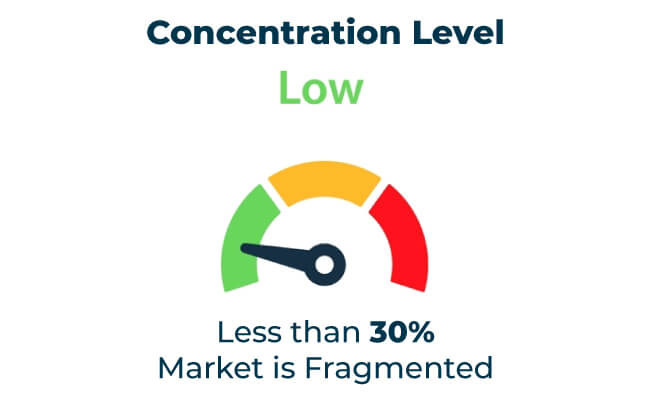
These top three players together account for roughly 16% of the market, illustrating both competitive intensity and room for emerging players to make their mark.
New Entrants & Emerging Innovators: Redefining Glass Packaging
Beyond the giants, a vibrant cohort of newer manufacturers and technology suppliers is democratizing innovation:
- Mid-tier companies and regional startups are exploring lighter-weight glass formulations, cutting down on materials while preserving strength.
- Smart packaging firms are embedding QR codes and NFC tags into bottles, opening doors to enhanced consumer engagement and traceability.
- Decoration specialists are pushing the envelope with high-definition printing, embossing, and coatings that upgrade glass containers into brand canvases.
These fresh entrants, while not yet commanding the topmost share, are contributing significantly to market dynamism and innovation.
Next-Gen Technologies Powering Growth
Several cutting-edge technologies are primed to disrupt the GCC packaging landscape:
- Recyclable coatings: New eco-friendly surface treatments are enhancing the lifespan and reusability of glass, making circular economy models more viable.
- Lightweight glass: Advanced formulations are reducing weight without sacrificing durability—delivering cost and environmental benefits in equals measure.
- Decorative innovations: Techniques like high-definition printing and embossing are transforming bottles into premium brand ambassadors.
- Smart packaging: QR codes, NFC tags, and even interactive labels are being embedded into glass to deliver brand storytelling, enhance traceability, and engage consumers directly.
Manufacturers investing in these areas stand to capture both sustainability-conscious buyers and premium-branded customers.
Challenges & Strategic Opportunities
While the growth story is compelling, there are headwinds. High energy costs in production, the inherent fragility of glass, and logistical challenges all demand smart strategies. But every challenge also opens a window of opportunity:
- Material innovation remains a powerful lever. Lightweight, strong, and recyclable glass can change the economics of production.
- Strategic partnerships with local and regional beverage, food, and cosmetics brands can unlock trust and scale.
- Government collaboration can accelerate investment in closed-loop recycling systems to reduce costs and environmental impact.
A Roadmap for the Future
Looking ahead, the GCC glass packaging sector is charting a promising course:
- Premium + sustainable: Companies that blend beauty and recyclability will gain competitive advantage.
- Localization: Regional players who can address local tastes, regulations, and costs will continue to grow.
- Circular economy: Recycling infrastructure and closed-loop systems will be a game changer.
- Smart engagement: Packaging that interacts with consumers will redefine brand experience.
Key Takeaway
The GCC retail glass packaging market stands at a pivotal moment. Established global powerhouses, together with agile innovators, are converging to create a landscape defined by sustainability, high design, and technological sophistication. Those who invest in lightweight materials, sustainable solutions, and smart packaging stand to lead—and reshaping the future of glass in the GCC.