A compelling new market report reveals that the induction sealing machines sector is on the verge of a transformative boom. With both established heavyweights and next-generation innovators making bold moves, the industry is primed for rapid growth and technological disruption.
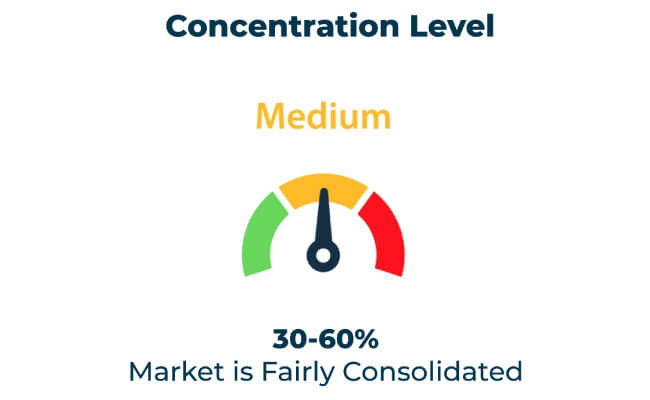
According to the latest Induction Sealing Machines Market Share Analysis by Future Market Insights (FMI), leading players such as Enercon Industries, Pillar Technologies, and Lepel Corporation currently dominate the market, collectively accounting for around 34% of global share. These firms have cemented their leadership through deep distribution networks, continuous R&D, and forward-thinking automation.
Enercon Industries, for instance, recently unveiled an AI-enabled, high-speed induction sealing system. This cutting-edge solution not only boosts throughput but also enhances packaging integrity through predictive diagnostics. Pillar Technologies, on the other hand, made headlines with its energy-efficient sealing machines, designed to reduce waste while maintaining performance. Meanwhile, Lepel Corporation has focused on compact, high-performance systems tailored specifically for the pharmaceutical industry, where tamper-evidence and seal reliability are non-negotiable.
But the market momentum isn’t limited to these legacy leaders. A wave of emerging or mid-tier players is gaining traction, addressing new segments and bringing fresh capabilities to the table:
- Relco has made aggressive inroads by expanding its global footprint and partnering to embed IoT-enabled monitoring systems into its sealing lines – a move that brings real-time quality control and predictive maintenance.
- MeRo, another forward-thinking manufacturer, launched a low-energy induction sealing solution in early 2024, putting sustainability front and center.
- VTOPS, Technopack, Sigma CapSeal, Reltech, and Selig Group round out the competitive landscape, each staking out unique niches: tabletop systems for SMEs, fully-automated lines, and recyclable liner technologies, respectively.
According to the report, these mid-tier and regional players collectively hold around 31% of the market share, underlining their growing influence. Regional, specialized manufacturers form the remaining 35%, highlighting both the market’s fragmentation and its democratizing potential.
Innovation Meets Sustainability
What’s particularly striking is the depth of innovation driving this growth. Across the board, manufacturers are investing heavily in automation, material science, and sustainability:
- Smart sealing machines: IoT and AI capabilities are being integrated to deliver smarter, self-monitoring lines that reduce downtime and minimize human error.
- Eco-conscious design: From recyclable liners to energy-efficient systems, a greener future is a clear priority.
- Flexible architectures: Modular machines, portable “handheld” sealers, and continuous sealing lines give businesses of all sizes access to modern induction technology.
These trends are especially compelling in growth markets. FMI’s report calls out Asia-Pacific as a key region for expansion, with demand surging across food & beverage, personal care, and pharmaceutical packaging sectors. Meanwhile, North America and Europe continue to push innovation through regulatory compliance and quality-led differentiation.
Opportunities for New Entrants and Strategic Players
The evolving landscape presents a golden window for both newcomers and established players to grow:
- Technology suppliers and OEMs should explore partnerships with liner or material vendors, enabling them to co-develop solutions that optimize cost, performance, and sustainability.
- Regional manufacturers can leverage modular platforms and IoT integrations to win business in under-served markets—particularly in emerging economies with growing demand for safer, tamper-evident packaging.
- Strategic investors and business leaders are encouraged to bet on automation and predictive maintenance trends, which not only improve efficiency but significantly reduce long-term operational costs.
- Sustainability innovators have a strong place: companies that can bring cost-effective, low-power induction sealing systems will be uniquely positioned to capture both regulatory-driven and consumer-driven demand.