The self-sealing bags market is entering a vibrant new phase, according to the latest industry outlook. Fueled by expansion across food packaging, pharmaceuticals, e-commerce, and industrial applications, both well-established giants and emerging manufacturers are stepping up with new materials, smarter seals, and scalable production models.
Market Overview & Momentum
The market for self-sealing bags is witnessing rapid acceleration, underpinned by rising demand for resealable, tamper-evident, and user-friendly packaging. These solutions are critical for preserving product freshness in food and beverage, maintaining safety and sterility in pharmaceuticals, and ensuring convenience and security in e-commerce and logistics.
Leaders in the space continue to lean into innovation, sustainability, and automation — all while balancing cost, performance, and regulatory pressures.
Who’s Leading — and How They’re Innovating
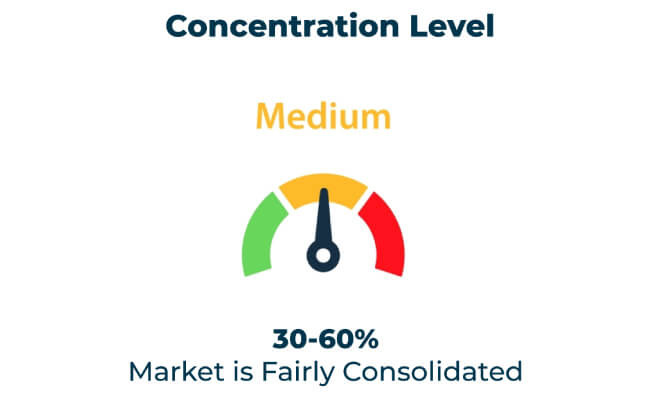
At the top, three major players — Sealed Air, Amcor, and Berry Global — together account for ~46% of the global market. These companies leverage cutting-edge packaging technologies, extensive distribution networks, and strong R&D to maintain leadership.
- Sealed Air is pushing boundaries with high-barrier, fully recyclable self-sealing bags tailored for both food and medical uses.
- Amcor has made inroads with lightweight, tamper-evident packaging for pharmaceutical products — a critical focus in an industry where safety and compliance are priorities.
- Berry Global is making sustainability a hallmark, having introduced biodegradable self-sealing bags that don’t compromise durability.
Meanwhile, the second tier of manufacturers — including Mondi, Huhtamaki, and Sonoco — holds another ~27% of the market. These companies specialize in highly customizable solutions designed to meet specific end-use needs: from secure mailing bags for e-commerce to high-performance packaging for industrial or medical use.
- Mondi is expanding its presence with e-commerce-friendly, secure mailing bag formats.
- Huhtamaki continues scaling its sustainable packaging offerings for foodservice and retail.
Beyond these global players, a diverse group of regional and niche manufacturers make up the remaining ~27%. These innovators are focused on tailored solutions: think biodegradable liners, anti-static bags for electronics, and lab-grade resealable pouches. Companies such as Coveris, Novolex, Uflex, and Inteplast are among those pushing customized, application-specific designs.
Emerging Technologies & Strategic Trends
The future roadmap for self-sealing bags is rich with innovation. Technology suppliers and manufacturers are increasingly focusing on:
- Sustainability: Compostable and recyclable self-sealing solutions are being rapidly developed, addressing both regulatory demands and consumer preference.
- Automation & Smart Sealing: Innovations in automated sealing systems and IoT-enabled packaging promise improved production efficiency and quality.
- Customization & Scale: Flexible bag designs — tailored in size, closure type, and film thickness — are becoming more mainstream. These support branding, niche use-cases, and varied material requirements.
- Regional Expansion: While Asia-Pacific leads in demand by volume, North America and Europe remain crucial for technology leadership and regulatory compliance.
Several companies are already putting these strategies into action:
- Sealed Air rolled out recyclable high-barrier bags in early 2024.
- Amcor’s lightweight, tamper-evident pharmaceutical pouches have turned heads for their blend of safety and usability.
- Berry Global launched biodegradable, durable resealable bags mid-2024.
- Mondi unveiled secure mailing bags for e-commerce in late 2023.
- Huhtamaki broadened its sustainable self-sealing range earlier this year.
Why Now Is the Moment for Expansion
- Established manufacturers are capitalizing on their scale and reach to introduce next-gen materials and digital sealing systems.
- New entrants and regional players are grabbing share by offering highly specialized, customizable self-sealing bags — addressing niche industries such as biotech, organic food, and electronics.
- Innovation is no longer optional: Sustainability, automation, and smart packaging are fast becoming prerequisites, not differentiators.
Call to Action for Industry Stakeholders
For technology suppliers: This is a golden moment to invest in adhesive chemistry, smart sealing machines, and scalable sustainable materials. Your breakthroughs could become the backbone of the next wave of self-sealing bag innovation.
For manufacturers: Whether you’re a market leader or a regional specialist, adopting a forward-looking strategy around technology, sustainability, and customization could significantly enhance your competitive edge.
For investors: The self-sealing bags sector represents a compelling opportunity — balancing strong fundamentals across multiple high-growth industries with meaningful room for disruption and differentiation.