The global chipboard box industry is poised to undergo a significant transformation between 2025 and 2035, driven by a powerful mix of sustainability demand, advanced manufacturing technologies, and renewed efforts by both long-established leaders and ambitious new entrants. According to the latest market intelligence, the chipboard box market is projected to surge from an estimated USD 13.3 billion in 2025 to USD 36.8 billion by 2035, growing at a compound annual growth rate (CAGR) of approximately 10.7 percent over the decade.
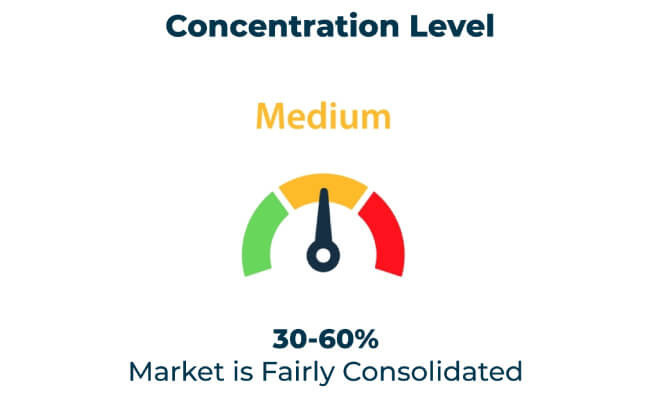
At the heart of this expansion are a diverse mix of players: established global giants, mid-tier challengers, and nimble regional firms, all racing to scale up their capacity, deepen their technological sophistication, and capitalize on rising demand for cost-effective, eco-friendly packaging.
Established Leaders Reinforce Their Footprint
Longstanding industry stalwarts such as WestRock, International Paper, and Smurfit Kappa continue to dominate a sizable portion of the market. These Tier-1 manufacturers—noted for their large-scale production capacity, global reach, and advanced printing infrastructure—are capitalizing on growing customer demand for recyclable, compostable, and high-strength chipboard solutions.
- WestRock is expanding its portfolio with fully recyclable, compostable chipboard boxes, aligning its product roadmap with rising regulatory pressure and consumer expectations.
- International Paper is investing in lightweight, biodegradable chipboard designs that reduce environmental footprint while maintaining performance.
- Smurfit Kappa is leveraging its engineering strength to deliver premium, high-density chipboard packaging tailored for luxury and durable goods.
These players continue to benefit from strong global distribution networks, mature manufacturing lines, and deep R&D capabilities. Their scale provides a competitive moat—yet they are not resting on their laurels.
Tier-2 Innovators Bring Flexibility and Specialization
Mid-sized manufacturers such as Graphic Packaging International and Sonoco are carving out differentiated positions in the market. With approximately 20 percent of the projected market share, these Tier-2 players are flexing innovation muscle: offering customized die-cut designs, coated and laminated substrates, and moisture-resistant variants tailored for food, pharmaceutical, and cosmetics end-users.
- Graphic Packaging International is focusing on water-resistant and moisture-stable chipboard, enabling safe use in humid or temperature-sensitive environments.
- Sonoco is catering to premium and retail brands with bespoke, high-quality coated chipboard options that enhance shelf appeal and durability.
These companies are leveraging their flexibility, smart converting lines, and customer-centric mindset to win contracts with emerging e-commerce and D2C brands.
Emerging and Niche Players Fuel Disruption
Beyond the giants and the challengers, a vibrant ecosystem of Tier-3 and regional manufacturers is making waves. These companies—often regional or niche—specialize in bespoke designs, small-batch production, and sustainable solutions, capturing unmet demand in local markets.
Many of these firms are embracing next-generation technologies. For instance:
- Digital Printing & Automation: A surge in digital printing allows for short-run customization, while automation in cutting, folding, and creasing is driving down costs and reducing waste.
- Sustainable Materials: Newcomers are experimenting with high-recycled-content chipboard, FSC-certified fibers, and bio-based coatings to build circular economy offerings.
- Smart Packaging Integration: Some innovators are embedding QR codes, NFC tags, or even low-cost sensors within chipboard boxes to create interactive and traceable packaging, bridging sustainability with high-tech tracking.
Such efforts are helping smaller players punch above their weight, expand into premium and eco-conscious markets, and win business from emerging consumer brands that prioritize agility and environmental credentials.
Macro Trends Fueling Momentum
Underlying this thriving competitive landscape are several powerful tailwinds:
- Sustainability Regulations: Pressure from governments and consumers to reduce plastic waste is accelerating adoption of recyclable and biodegradable packaging.
- E-commerce Growth: The booming online retail sector demands lightweight, sturdy, and visually appealing packaging, driving up demand for chipboard solutions.
- Premiumization & Branding: Brands are seeking elegant packaging to differentiate themselves. Advanced printing, embossing, and die-cut options allow chipboard to deliver a luxury feel at a lower environmental cost.
- Regional Manufacturing Shifts: Companies are localizing production to reduce carbon emissions, shorten lead times, and offer faster turnaround—giving a major boost to regional producers.
Outlook: A Decade of Opportunity
With the market on track to nearly triple in value by 2035, the chipboard box sector presents a compelling opportunity for both veterans and disruptors:
- For established players, scaling recyclable and biodegradable lines, upgrading to automation, and deepening relationships with global brands are key strategies.
- For emerging manufacturers, there is room to carve out leadership in niche areas: regional supply, bio-based materials, smart packaging, and premium small-batch design.
- Technology providers too have a critical role: cutting-edge digital presses, AI-enabled optimization, and sustainable coating systems will define winners in this space.