The electrophotography printing for packaging market is witnessing a powerful wave of innovation, bolstered by both established industry giants and ambitious new manufacturers. According to a recent comprehensive analysis by Future Market Insights, the market is projected to soar, transforming the packaging landscape with smarter, more sustainable, and highly customized solutions.
Market Outlook & Growth Drivers
Fueled by rising demand for high-quality, short-run packaging and brand personalization, the electrophotography market for packaging is expected to grow at a robust Compound Annual Growth Rate (CAGR) of 8% between 2025 and 2035. The forecast estimates a jump from USD 26.5 billion in 2025 to USD 57.1 billion by 2035, signaling strong optimism across the packaging value chain.
Why the surge? Shorter product runs, rapidly increasing SKU counts, and brand owners’ craving for variable data—such as QR codes, serialized labels, and tailored designs—are all pushing converters to adopt digital printing. At the same time, sustainability is in focus: eco-friendly toners, recyclable substrates, and closed-loop systems are becoming central to the technology roadmap.
Technological Innovations
Emerging electrophotographic presses now combine higher speeds with impressive environmental credentials. Innovations such as dry-toner systems dominate volume today, especially in food-grade applications, due to their low-migration, regulatory-friendly formulations. Meanwhile, LED and UV-curing electrophotography are gaining ground for their fast drying, substrate versatility, and durability.
Another key trend is the integration of AI-driven automation and real-time quality control. Printers now leverage predictive maintenance, color-correction algorithms, and smart workflows to reduce wastage and maximize uptime. In the realm of smart packaging, variable data capabilities are being enhanced to deliver better brand engagement, traceability, and anti-counterfeiting features.
Leaders Driving the Charge
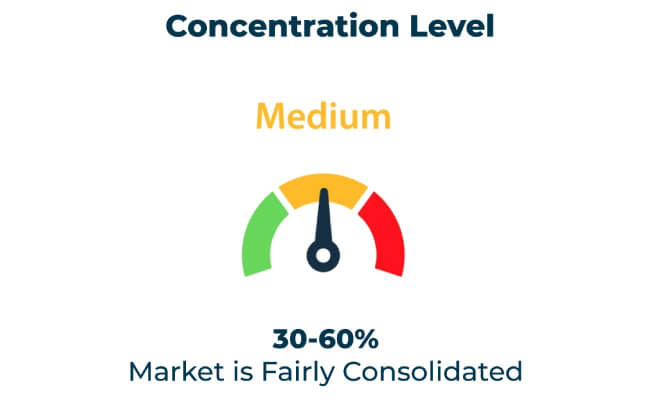
Major, well-established players are leveraging their global footprint, deep R&D, and existing customer bases to steer this transformation. HP Inc., Xeikon, and Xerox remain at the forefront, commanding a substantial share of the market. These companies are not just pushing speed and volume—they’re pioneering sustainable toners, intelligent color correction, and next-gen press architectures designed for packaging printing’s unique demands.
At the same time, Tier-2 leaders like Canon Solutions America, Konica Minolta, and Ricoh are doubling down on cost-efficient, high-performance presses. Their strengths lie in scalable systems that cater to mid-sized converters and regional markets, offering flexibility without sacrificing quality.
New and Nimble Innovators Making Waves
Not to be overshadowed, emerging players—including Domino Printing Sciences, Kodak, EFI, Tailored Label Products, and Creative Labels Inc.—are carving out meaningful niches. Domino and Kodak, for example, are pushing boundaries with LED curing and water-based toners, while niche converters like Tailored Label Products and Creative Labels are proving that specialization and agility go hand-in-hand with innovation. These companies are using electrophotography to serve highly individualized segments such as craft beverages, cosmetics, and health-care products, democratizing premium printing for smaller brands.
Strategic Moves & Partnerships
Manufacturers across the board are investing heavily in strategic collaborations. Whether it’s substrate suppliers to develop food-safe materials, software providers for AI/automation, or sustainability partners for closed-loop toner recycling, these alliances are accelerating the development cycle.
Such efforts are especially visible in regions like Asia-Pacific and North America, where demand for personalized packaging is booming. Meanwhile, Europe is emerging as a hotbed for low-energy, waterless printing solutions—a response to its stringent packaging waste regulations.
Recommendations for Stakeholders
- Technology Suppliers should prioritize sustainable consumables, develop modular presses that scale, and integrate smart analytics for predictive maintenance.
- Commercial Printers must adopt digital-first workflows: invest in color management software, data-driven quality systems, and flexible finishing options.
- Brand Owners would do well to partner with converters who provide variable data printing, as it supports traceability, personalization, and consumer engagement.
- Policy Makers and industry bodies can foster further growth by enabling incentives for green-printing technologies and promoting closed-loop recycling systems.
Looking Ahead
The future of packaging is clearly digital, intelligent, and sustainable—and electrophotography is playing a starring role. As both established leaders and new challengers race ahead, the industry is set to benefit from better print quality, faster turnaround, lower waste, and more meaningful customer engagement. Over the next decade, these technological developments will reshape how brands communicate, certify, and personalize their packaging in a fast-evolving market.