According to the recent “Converter Aluminum Foil Market Share & Analysis” report, the global converter aluminum foil industry is on the cusp of explosive growth. Propelled by both well-established giants and ambitious newcomers, the sector is set to reach USD 110.1 billion by 2035, growing at a projected compound annual growth rate (CAGR) of 9.2% through the forecast period.
Market Dynamics Fueled by Demand and Sustainability
As consumer preferences evolve toward lightweight, recyclable, and high-performance packaging, converter aluminum foil has emerged as a material of choice across a wide array of industries — from food and beverage to pharmaceuticals, personal care, and industrial applications. These foils offer exceptional barrier protection against moisture, oxygen, and light, making them indispensable in modern packaging solutions.
The report highlights strong customer demand for advanced flexible packaging formats such as pouches, wraps, and laminated tubes. Among these, pouches stand out, contributing around 36.5% of the market in 2025, thanks to their portability, resealability, and excellent moisture resistance.
Established Leaders with Bold Innovation Strategies
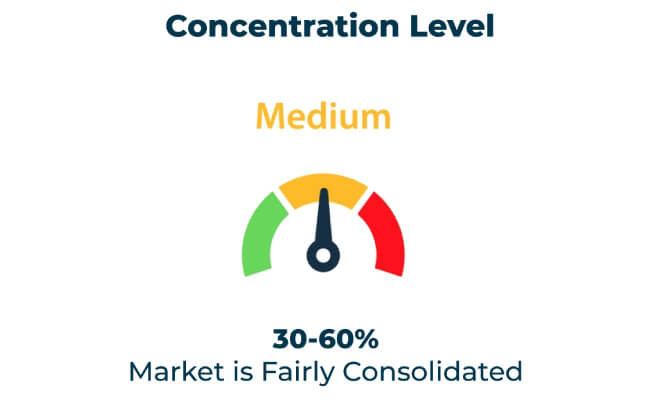
Leading companies—including Amcor, Novelis, and UACJ Corporation—hold a significant share of the market. These stalwarts are actively investing in cutting-edge technologies like automation, AI-driven quality control, and circular recycling systems. Their focus on sustainability is more than a trend: it’s a strategic imperative. For instance:
- Amcor is expanding its lineup of recyclable, high-barrier foils, contributing to a broader circular economy.
- Novelis is pioneering ultra-lightweight, high-strength alloys that minimize material usage while maximizing performance.
- UACJ Corporation is scaling up global capacity to meet rising demand for corrosion-resistant and ultra-durable foils.
These incumbent players are also leveraging their robust global distribution networks to scale quickly, targeting both developed markets and fast-growing regions such as Asia-Pacific and Latin America.
New Players Disrupting the Landscape
Not to be outpaced, a growing wave of new manufacturers is entering the converter aluminum foil landscape. Companies such as Alufoil Products Pvt. Ltd., Myra Foils, Raviraj Foils, and Symetal Aluminium Foil Industry are capitalizing on demand from emerging markets, especially in South Asia. By focusing on niche product segments — such as pharmaceutical-grade foils and specialty laminated solutions — these newcomers are building their capabilities from the ground up.
Many of these new entrants are agile and innovation-focused, embracing modular and scalable production strategies. They are also investing in sustainability by incorporating recycled feedstock and eco-friendly coating technologies. This ambition helps them compete not only on cost but also on environmental credentials.
Technology at the Heart of Growth
A core driver of this market expansion is the rapid adoption of new manufacturing technologies. Suppliers and converters are embracing:
- Automation and AI: High-speed, precision operations that enhance yield and reduce waste.
- Smart Packaging: Foils with interactive features like QR codes or embedded traceability systems.
- Ultra-Thin Foils: Advances in foil rolling and alloy design to produce thinner yet stronger foils, reducing raw material use.
- Sustainable Materials: Innovations in recycled aluminum and closed-loop recycling models reinforce the industry’s commitment to eco-friendly practices.
Moreover, as regulatory frameworks tighten worldwide, players are accelerating their investments in recyclable coatings and traceable, low-carbon production methods.
Strategic Opportunities and Future Outlook
According to the report’s authors, technology providers, converters, and material suppliers stand at a crucial inflection point. The key recommendations include:
- Invest in sustainability: Prioritize technologies that enable closed-loop recycling and low-carbon production.
- Improve productivity: Deploy predictive maintenance and AI-driven analytics to optimize manufacturing lines.
- Customize for markets: Develop modular solutions that can quickly adapt to customer-specific needs across geographies.
- Expand regionally: Focus on emerging growth pockets in Asia-Pacific, Latin America, and Africa to capture long-term demand.