The global carton-bottle packaging market is entering a dynamic new phase, as both long-standing industry leaders and nimble newcomers align around the twin goals of expansion and technological innovation. According to the recently released “Carton Bottle Market Share & Competitive Positioning” report by Future Market Insights, the industry is witnessing a paradigm shift driven by sustainable materials, smart packaging and regional capacity build-out.
Strong foundation by the established players
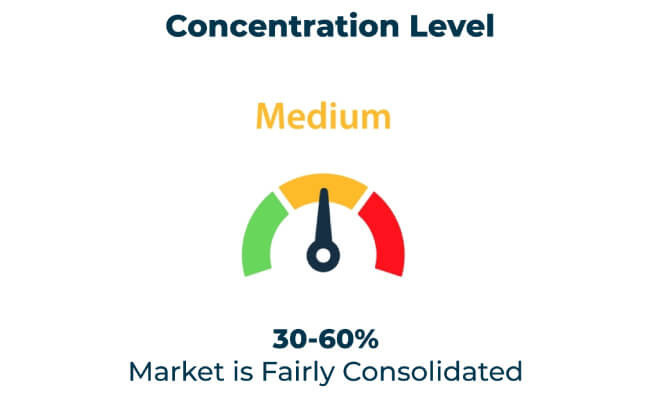
The top-tier packaging manufacturers continue to dominate the field. Tier 1 firms account for roughly 37 % of the global market, anchored by companies such as Tetra Pak, SIG Combibloc and Elopak. These companies have leveraged decades of experience, global manufacturing and robust distribution networks to achieve scale and market leadership. Their strategic initiatives go beyond incremental improvement — they are pushing the envelope in recyclability, lightweighting and digital enhancement.
For example, Tetra Pak has rolled out high-recyclability carton bottles; SIG Combibloc has introduced ultra-lightweight formats; and Elopak has invested in AI-driven defect detection for quality assurance. These steps are not simply about efficiency—they speak directly to evolving consumer expectations and regulatory pressure around sustainability.
New momentum from emerging innovators and regional winners
However, the real story this year is the rising influence of Tier 2 and Tier 3 manufacturers. Tier 2 players—which include firms such as Nippon Paper Industries, Greatview Aseptic and BillerudKorsnäs—now hold about 42 % of the market. Their edge lies in cost-effective, customisable carton bottle solutions tailored to dairy, juice and plant-based beverage segments. They are rapidly adopting bio-based coatings, barrier technologies and regional footprint expansion to meet surging demand in Asia-Pacific and other growth geographies.
Meanwhile, Tier 3 players—regional manufacturers and niche start-ups—account for approximately 21 % of the market. These agile companies specialise in lightweight packaging innovations, sustainable material combinations and smart-label integration, carving out new segments and often partnering with beverage brands experimenting with new delivery formats.
Why now: Technologies, trends and opportunities
The timing could not be better for manufacturers looking to invest and grow. Key drivers include:
- Sustainability and recyclability: With regulators, retailers and end-consumers demanding plastic-free and circular packaging, manufacturers are racing to deploy bio-based liners, mono-material constructions and cap-free formats.
- Smart packaging and traceability: QR codes, digital identifiers and AI-driven production monitoring are enhancing brand-customer engagement and quality assurance.
- Regional capacity build-out: With Asia-Pacific emerging as a hotbed of demand—and North America and Europe focusing on premiumisation—there are strong incentives to build local capacity, reduce lead times and offer tailored solutions.
- Customization and differentiation: Beverage brands increasingly want unique formats, better shelf appeal and improved sustainability credentials. Manufacturers who can deliver bespoke barrier systems, differentiated shapes and smart features stand to win.
What manufacturers should do now
For established firms, the focus is twofold: strengthen sustainability credentials and scale rapidly in growth geographies. Expanding local production, investing in automation and enhancing brand partnerships will help maintain leadership.
For new and growing manufacturers, the opportunity lies in innovation and agility. By adopting next-generation materials and smart production technologies, these firms can compete not just on cost but on unique value propositions. Collaboration with beverage brands, packaging engineers and digital-platform providers will be key.
Outlook and growth trajectory
The report projects robust growth through 2035 as demand for sustainable, premium and customized liquid-packaging formats continues to scale. Manufacturers who align their investment strategies around sustainability, smart packaging and regional expansion are expected to capture disproportionate value over the next decade.