The steel containers market is experiencing a remarkable evolution, with established industry stalwarts and ambitious new entrants both accelerating innovation, sustainability, and technological capability across the board.
According to a comprehensive report by Future Market Insights, the global steel containers market is expected to expand significantly over the next decade. Rising demand from key sectors — including food & beverage, pharmaceuticals, logistics, and hazardous-material management — is powering this surge, thanks to the inherent durability, recyclability, and strength of steel container solutions.
Established Players Reaffirm Leadership with Strategic Innovation
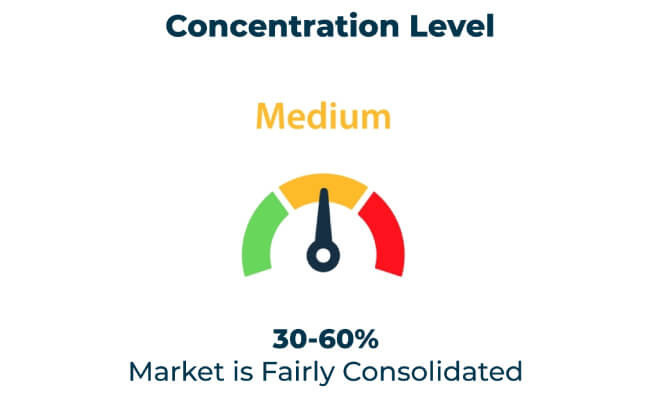
At the forefront are long-standing industry leaders who continue to leverage their scale, global reach, and deep domain expertise. Greif Inc., Mauser Packaging Solutions, and Schutz GmbH dominate as Tier-1 players, collectively controlling around 40% of the market. These companies are doubling down on innovation and sustainability: Greif has expanded its line of ultra-durable, reusable steel IBCs, while Mauser is pioneering steel drums made with recycled content. Schutz, on its part, is pushing the envelope with lightweight, corrosion-resistant containers tailored for high-risk materials.
Tier-2 leaders such as Balmer Lawrie, Hoover Ferguson, and Cleveland Steel Container also play a pivotal role. They specialize in highly customizable steel containers — for industrial, chemical, and food-grade applications — allowing clients to fine-tune capacity, safety features, and configurations as per their business needs. Hoover Ferguson, notably, has introduced smart tracking via IoT-enabled systems, delivering real-time location data and improving supply-chain efficiency.
Smaller, regional firms — including Time Technoplast, Transtainer, Thielmann, and Snyder Industries — complement the industry’s diversity. Though collectively accounting for about a third of the market, these players excel in niche markets: medical waste disposal, military-grade storage, and bulk transport. Their strength lies in hyper-specialization and localized reach.
New Entrants & Emerging Innovators: Disrupting the Status Quo
Alongside the established names, a wave of new and emerging manufacturers is injecting fresh energy into the market, tackling sustainability and customization challenges with novel approaches. These disruptors are embracing leaner business models, regional agility, and green manufacturing.
One notable newcomer is SteelPack Solutions, which is gaining traction in the food and beverage space with tailored, sustainable steel containers that match varied client demands and regulatory standards. Their focus on eco-sensitive designs and flexible production gives them a strong foothold in markets that prioritize both performance and environmental responsibility.
Another rising star, EcoSteel Containers, is carving out a niche in the chemical and pharmaceutical sectors. Their strategy revolves around building lightweight but robust containers optimized for safety, corrosion-resistance, and recyclability — all at competitive price points.
These startups highlight a broader trend: the democratization of steel container manufacturing. By leveraging advanced materials, intelligent design processes, and customer-centric production, they are redefining how businesses store and transport critical goods.
Technology & Sustainability: The Twin Engines of Growth
A key factor uniting both seasoned giants and fresh challengers is a shared commitment to innovation — especially in the realms of sustainability, automation, and smart tracking. The market’s future roadmap clearly emphasizes three core areas:
- Lightweight, High-Strength Steel: By using high-grade alloys and recycled content, manufacturers are reducing weight without compromising safety, while simultaneously lowering carbon footprints.
- Automated & Precision Fabrication: AI-powered assembly lines and robotics are boosting output, minimizing waste, and ensuring tighter tolerances — a major competitive lever for both scale manufacturers and niche players.
- IoT & Smart Containers: From RFID tags to embedded sensors, tracking-enabled containers are emerging as a powerful differentiator, especially in regulated industries where visibility, compliance, and security are critical.
These innovations are not just theoretical — companies are already implementing them. Smart tracking, robotic welding, modular designs, and corrosion-resistant coatings are moving from pilot phases to mass production. This shift reflects rising technology adoption and tighter regulatory standards, particularly in regions pushing hard on sustainability.
Strategic Expansion & Looking Ahead
Regional dynamics also play a significant role. While developed markets in North America and Europe emphasize regulation, compliance, and eco-friendliness, the Asia-Pacific region is emerging as a high-growth zone due to rapid industrialization, urban logistics needs, and rising demand in food & beverage segments.
To capitalize on this global momentum, established manufacturers are expanding production capacity and investing in R&D. Meanwhile, technology suppliers — from seam-welding innovators to anti-corrosion specialists — are being urged to deepen their focus in scalable, smart, and green solutions.
Emerging firms are not sitting still either: they are forming partnerships, scaling operations, and tapping into regional networks to move beyond pilot models toward global relevance.