The global powder dispenser market is entering an exciting new phase of expansion, driven by both long-established players and a fresh generation of technology-driven startups. According to the recent “Powder Dispenser Market Share & Competitive Outlook” report by Future Market Insights, the market is on track to grow significantly over the coming decade.
With a projected compound annual growth rate (CAGR) of 5.8%, the powder dispenser market is expected to surge from an estimated USD 489 million in 2025 to USD 859 million by 2035. This sustained momentum is underpinned by rapidly evolving end-use industries — including pharmaceuticals, food & beverage, cosmetics, and chemicals — all of which demand greater precision, hygiene, and automation in powder handling.
Established Leaders Fuel Innovation
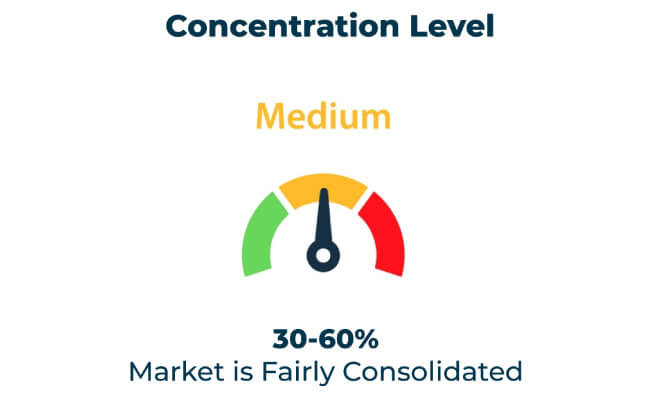
Veteran manufacturers like AptarGroup, Nordson Corporation, and Festo continue to set the pace. Together, these Tier-1 companies hold roughly 40% of the market, leveraging their decades of experience to deliver high-precision, low-waste dispensing systems. These giants are increasingly integrating automation, IoT connectivity, and data-driven calibration into their products, reinforcing their leadership position.
Complementing them are major Tier-2 players such as Watson-Marlow, Volkmann, and Gericke, which collectively command around 27% of the market. These companies specialize in scalable and modular dispensing solutions tailored to mid-size industrial operations—offering robust performance without compromising on precision or contamination control.
Emerging Innovators Reshape the Landscape
Not to be outdone, a wave of ambitious newcomers is disrupting the market with bold new approaches. These emerging manufacturers are leaning into smart technologies, eco-design, and novel business models to carve out their niche.
Some are developing AI-enabled dispensers that adjust dosing in real time by reading the behavior of powders with varying flow properties. Others are focusing on sustainable materials — producing dispensers using biodegradable polymers or upcycled plastics, addressing growing regulatory pressures and customer demand for greener solutions.
A few daring start-ups are also embracing subscription-based models. These companies offer compact, countertop dispensers bundled with regular powder refills, making high-precision dispensing more accessible to small businesses and retail customers.
Driving Forces Behind Market Expansion
Several synergistic trends are contributing to the surge in demand:
- Automation and Digitalization: The rise of Industry 4.0 is pushing manufacturers to adopt connected dispensers that offer remote monitoring, predictive maintenance, and real-time inventory tracking.
- Stringent Hygiene Standards: Across food, pharma, and cosmetics, there’s increasing need for touch-free, contamination-resistant dispensing systems — especially in environments that require frequent powder changes or sterile conditions.
- Sustainability Mandates: Regulators and consumers alike are calling for more environmentally responsible solutions. Manufacturers are responding with recyclable components, energy-efficient designs, and modular units that minimize material waste.
- Precision and Efficiency: In sectors like pharma or specialty food, even minor variations in powder dosing can have big implications for quality and cost. Dispensers that combine programmable calibration, load-cell feedback, and anti-static features are seeing surging interest.
Regional Dynamics and Growth Hotspots
Geographically, growth is being driven by Asia-Pacific, where increasing industrialization and expanding pharmaceutical and F&B sectors are fueling demand. North America and Europe, meanwhile, are pushing adoption of smart and compliant dispensing systems, particularly in highly regulated industries. On the innovation front, regional players are building customized, low-cost systems tailored for local markets — a strategy helping emerging manufacturers gain traction.
A Call to Action for Technology Providers
The report underscores several strategic imperatives for technology providers aiming to succeed in this fast-evolving landscape:
- Collaborate with material scientists to develop dispensers compatible with sensitive or specialty powders.
- Invest in IoT and AI capabilities to offer differentiated smart-dispensing solutions.
- Build modular platforms that can be upgraded as regulatory or business needs evolve.
- Offer cost-effective financing or leasing models to lower the entry barrier for SMEs.
- Partner with sustainability-focused organizations to enhance the eco credentials of dispenser units and disposal practices.