The global direct thermal inks and coatings market is entering a powerful new phase of growth, according to a recent report that spotlights both long-standing industry leaders and nimble new entrants racing to innovate. As demand surges across logistics, retail, healthcare, and food & beverage sectors, companies are doubling down on sustainability, automation, and next-generation chemistries — transforming how direct thermal printing works today and in the future.
Established Manufacturers Lead with Deep R&D and Global Footprint
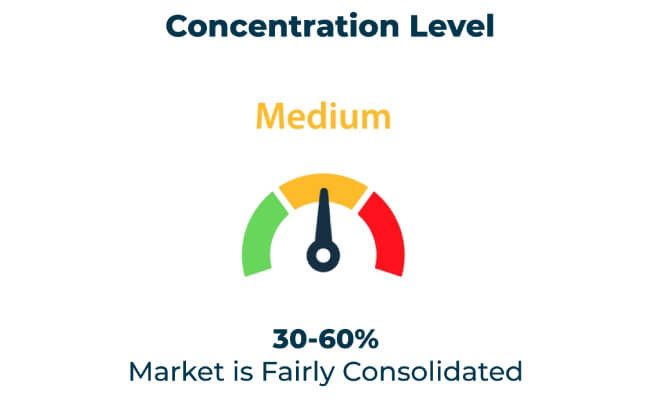
At the heart of this market are tier-one giants such as Ricoh, Oji Holdings, and Appvion, which together command over a third of global market share. These companies are leveraging decades of experience, world-class research and development capabilities, and global distribution networks to shape the industry’s direction.
- Ricoh has been a trailblazer in environmental compliance, expanding its phenol-free thermal paper portfolio — a strategic move that appeals both to regulatory demand and eco-conscious customers.
- Oji Holdings is raising the bar in performance, having developed high-durability direct thermal coatings specifically tailored for logistics and shipping label applications, where longevity and robustness are crucial.
- Appvion continues its sustainability journey, introducing eco-friendly thermal coatings that combine excellent print longevity with minimal environmental impact.
These legacy players are not only defending their market share but also pushing the envelope — setting standards for durability, recyclability, and regulatory compliance.
Emerging and Niche Players Bring Agility & Innovation
While the big names command the spotlight, a vibrant ecosystem of tier-two and tier-three manufacturers is fueling exciting change. Companies such as Koehler Paper Group, Nakagawa Manufacturing, Iconex, Hansol Paper, Mitsubishi Paper Mills, Jujo Thermal, and Kanzaki Specialty Papers are stepping up with differentiated offerings and bold technological bets.
- Koehler Paper Group is focusing on image stability, launching coatings that deliver sharper, longer-lasting prints — a key advantage in industries where label clarity matters.
- Nakagawa Manufacturing has made headlines with low-energy thermal coatings, reducing both the power requirement and cost per print, which appeals especially to high-volume operations.
- Iconex and Hansol Paper are leveraging their niche expertise to serve specialized segments — from durable retail labels to food-grade thermal paper.
- Mitsubishi Paper Mills, Jujo Thermal, and Kanzaki are investing in water-resistant, application-specific coatings that cater to high-stress environments like cold-chain logistics and tamper-evident packaging.
These companies might not yet dominate market share, but they punch above their weight in adaptability — bringing innovation to where it’s most needed.
Smart, Sustainable, and Secure: Innovation at the Core
According to the recent in-depth market analysis, several technological trends are converging to redefine the future of direct thermal printing:
- Eco-friendly chemistries: BPA-free and phenol-free coatings are rapidly becoming the new standard as manufacturers prioritize regulatory compliance and environmental sustainability.
- High-durability formulations: Coatings that resist heat, moisture, and chemicals are enabling printing solutions that last longer, even in harsh conditions.
- Enhanced image stability: Improved ink formulations are delivering sharper, more resilient barcode and shipping-label prints — critical for retail and logistics operations.
- Color-changing / thermochromic coatings: Security and authentication needs are driving demand for heat-sensitive, color-changing coatings, especially in pharmaceuticals and high-value goods.
- AI and automation: Emerging players and technology suppliers are integrating AI-driven quality control and automated production lines to boost efficiency, consistency, and scale.
Expansion Plans & Strategic Opportunities
New and established manufacturers alike are exploring expansion through multiple avenues:
- Regional growth: With Asia-Pacific emerging as a hotbed for production, companies are ramping up local capacity to meet rising demand.
- Tailored solutions: There’s a growing emphasis on customized coating formulations for specific industries — food, healthcare, logistics — enabling manufacturers to deepen partnerships and expand market reach.
- Collaborations & supply chain innovation: By partnering with raw-material suppliers, technology firms are accelerating sustainable innovation and helping clients deliver recyclable, high-performance labels.
Why This Matters Now
- The explosive growth of e-commerce and global logistics means more thermal labels are needed than ever — and those labels must be durable, clear, safe, and sustainable.
- Retailers, logistics firms, and pharmaceutical companies are not just buying ink and paper — they are investing in technologies that support traceability, brand protection, and regulatory compliance.
- For technology suppliers, this is the moment: focusing on next-gen materials, automated manufacturing, and smart coating systems could catalyze stronger market penetration.