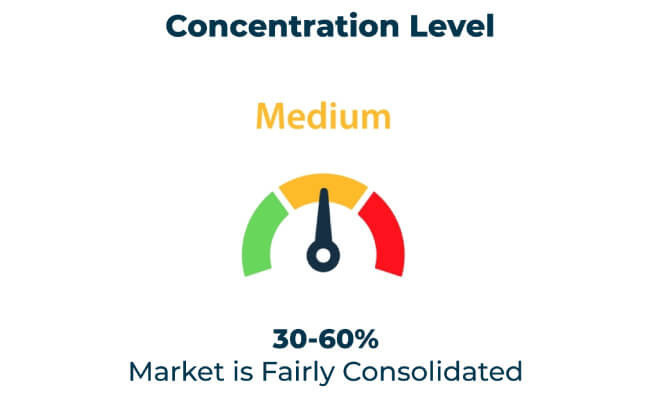
As consumer demand shifts sharply toward sustainability, advanced functionality, and smart connectivity, the global next-generation packaging market is entering an exciting new chapter. According to the latest market share analysis report from Future Market Insights, established powerhouses and nimble newcomers alike are stepping up with bold investments and breakthrough technologies, collectively ushering in a fresh era of packaging innovation.
Legacy Leaders Double Down on Innovation
At the heart of this transformation, long-time industry leaders – including globally recognized names such as Amcor, Sealed Air, and Tetra Pak – continue to dominate, holding a significant share of the market. These veteran manufacturers are leveraging their deep industrial know-how to scale and refine next-gen solutions like smart, self-healing barrier films, interactive intelligent labels, and compostable high-barrier materials.
For instance, Amcor is pushing forward with fully recyclable packaging embedded with freshness sensors, while Sealed Air has developed AI-driven films that self-repair in real-time, helping extend shelf life and reduce spoilage. Meanwhile, Tetra Pak is expanding its portfolio of consumer-interactive, digitally connected packs that not only keep food safe, but engage shoppers in meaningful ways.
Tier 2 players — such as Stora Enso, Avery Dennison, and Huhtamaki — are also making significant strides. These firms are combining cost-efficient production with high-performance, fiber-based active packaging, advanced RFID/NFC traceability, and compostable coatings, thereby strengthening their foothold in sustainable, smart, and scalable packaging markets.
New Entrants & Niche Innovators Spark the Next Wave
Alongside these established giants, a vibrant ecosystem of emerging and niche players is bringing fresh energy and radical ideas. The report highlights a growing number of regional and specialized companies working to redefine the packaging value chain. These innovators, often operating with leaner teams and more risk tolerance, are experimenting with bio-based polymers, IoT-connected smart labels, and self-optimizing barrier materials designed for circular economies.
Some of these rising players are pioneering biodegradable films derived from plant proteins, integrating low-power sensors to monitor freshness, and deploying AI to optimize material usage. Their agility and close alignment with sustainability goals give them a powerful advantage as brands and consumers demand greener and smarter packaging alike.
A Technological Renaissance
What truly sets today’s next-generation packaging market apart is the breadth of technological innovation. The report identifies four major product categories driving growth:
- Active & Intelligent Packaging — Coatings that react to oxygen or moisture, antimicrobial films, and embedded freshness sensors.
- RFID & Smart Labels — Traceability tags, QR codes, NFC chips, and indicators that connect consumers to brand stories or verify authenticity.
- Sustainable & Bio-Based Packaging — Compostable films, bio-polymers, and high-barrier materials that support recycling and lower carbon footprints.
- IoT-Connected Packaging — Real-time monitoring systems powered by smart sensors and data chips, often tied into cloud platforms for supply-chain transparency.
Behind these innovations, companies are also embracing advanced production methods: AI-driven quality control, robotics, and automated inspection systems ensure that these sophisticated packaging formats can be manufactured efficiently and cost-effectively.
Sustainability Meets Commercial Ambition
Sustainability is no longer a peripheral goal — it’s front and center. Leading firms are investing aggressively in circular economy models, self-healing materials, and smart labeling that helps cut waste across the supply chain. This is more than just green credentials: it’s a genuine business imperative. As brands look to reduce their environmental impact and regulators impose stricter packaging standards, the shift toward smart, sustainable designs offers both risk mitigation and competitive differentiation.
For new entrants especially, sustainability-focused innovation is opening doors: many of these companies are partnering with well-known brand owners, co-developing solutions, and bringing novel biodegradable chemistries to market faster than ever.
Market Outlook: Strong Growth, Wide Opportunity
Looking ahead, the next-generation packaging market is on a steady upward trajectory. The report estimates a robust compound annual growth rate over the forecast period, supported by rising demand from high-value sectors such as food & beverage, pharmaceuticals, personal care, and logistics. As interactive packaging and sensor-enabled solutions become more mainstream, more regional brands and SMEs are expected to join the fray, further expanding the competitive landscape.
Geographically, developed regions remain critical innovation hubs, but growth is also accelerating in emerging markets, where cost-sensitive and sustainable packaging solutions are gaining traction.
Call to Action for Technology Partners and Investors
The report concludes with strategic recommendations for technology suppliers and investors: now is the moment to deepen your commitment to automation, digital tracking, and green chemistry. Whether you are a legacy manufacturer seeking to modernize your portfolio, or a startup with a bold vision, aligning with this next-gen wave creates opportunities to build stronger partnerships with FMCG brands, pharmaceutical firms, and e-commerce platforms.