In a pioneering shift reshaping the packaging industry, the global 3D-printed packaging market is rapidly scaling new heights—driven equally by long-standing additive manufacturing giants and a fresh wave of innovators. According to a recent market analysis, this sector is projected to grow at a robust 7.8% CAGR through 2035, nearly doubling in size from its current base.
Legacy Leaders Setting the Pace
Established titans such as HP Inc., Stratasys, and 3D Systems continue to dominate the landscape. Their deep industrial experience, global reach, and advanced material technologies have positioned them at the forefront, accounting for a significant slice of market share. With high-speed multi-jet fusion, multi-material 3D printing, and food-safe bio-polymers, these companies are laying the foundation for scalable, mass-producible packaging that’s fully compatible with sustainability goals.
Meanwhile, Materialise, EOS GmbH, and Markforged are strengthening their influence too. They bring high-precision printing, AI-powered design, and metal-infused structures to the table—expanding their appeal across pharmaceuticals, luxury goods, and demanding industrial packaging applications.
Rising Stars and New Entrants Rewrite the Rulebook
The market is also witnessing a surge of emerging companies, particularly at the regional and niche level. These new entrants are innovating rapidly with biodegradable polymers, AI-generated generative packaging designs, and on-site, localized production models. Harnessing the power of embedded RFID/NFC, these smaller players are also pioneering smart, connected packaging that combines 3D-printed structures with tracking and anti-counterfeiting features.
These agile businesses don’t just compete—they complement. They fill critical gaps in the value chain, offering specialized, eco-friendly, and highly customized packaging solutions tailored for regional markets and sustainable brands.
Driving Forces: Innovation, Sustainability, and Automation
Three key trends are shaping this expansion:
- AI-Driven Design and Digital Twins
Brands and manufacturers are turning to AI-based generative design tools to optimize structural integrity, minimize material usage, and speed up innovation cycles. Digital twin technologies are being introduced to mirror physical production in a virtual environment, enabling real-time monitoring, predictive maintenance, and leaner operations. - Sustainable Materials
The push for greener packaging is stronger than ever. Industry players are developing and adopting bio-based polymers and recyclable resins to produce packaging that is both high-performance and environmentally responsible. These innovations are particularly resonant in sectors such as food and pharmaceuticals, where regulatory and consumer pressure for sustainable formats is high. - Smart & Connected Packaging
Combining additive manufacturing with electronics, companies are embedding RFID and NFC chips into 3D-printed packaging. This not only enables authentication and track-and-trace, but opens doors to interactive consumer experiences and more secure supply chains.
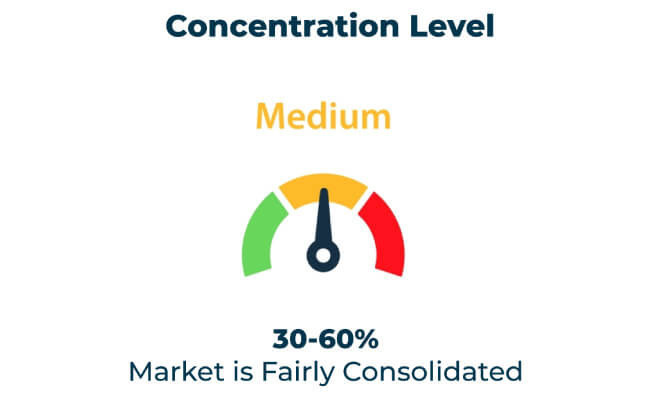
Market Dynamics: A Balanced Ecosystem
- Tier 1 players (like HP, Stratasys, and 3D Systems) hold a dominant share thanks to their industrial-grade hardware and global scale.
- Tier 2 companies (such as Materialise, EOS, and Markforged) contribute through innovation in materials and niche applications.
- Tier 3, composed of newer regional or niche entrants, is growing rapidly with flexible business models, tailored offerings, and sustainability at its core.
The interplay among these tiers is fostering a vibrant, balanced ecosystem—one where legacy firms drive scale and stability, while newcomers spark disruption and specialization.
Strategic Vision for the Future
To maintain momentum, 3D printing technology providers and packaging manufacturers are prioritizing:
- Mass customization through AI-enabled design
- Recycling and circular material strategies
- Automated production, powered by robotics and digital twins
- Localized manufacturing, enabling on-demand production with minimal waste.
Cross-sector collaborations—especially with food, pharma, luxury goods, and e-commerce players—are also gaining traction, as companies seek to align innovation with regulatory, quality, and sustainability imperatives.
What This Means for Brands and Communities
- Brands gain access to cost-effective, lightweight, and sustainable packaging options while enjoying design flexibility and personalization.
- Consumers benefit from more eco-conscious solutions, smarter packaging with embedded traceability, and more engaging unboxing experiences.
- Manufacturers, whether established or new, are finding fresh paths to growth: legacy players scale globally; new innovators scale regionally and sustainably.