As the global serum bottles market gathers momentum, both established titans and ambitious new manufacturers are capitalizing on rising demand, sustainable innovation, and smart packaging technology. Findings from an in-depth market analysis show that traditional players like Gerresheimer, SGD Pharma, and Nipro Pharma Packaging continue to dominate — while fresh entrants are redefining the landscape with bold new strategies.
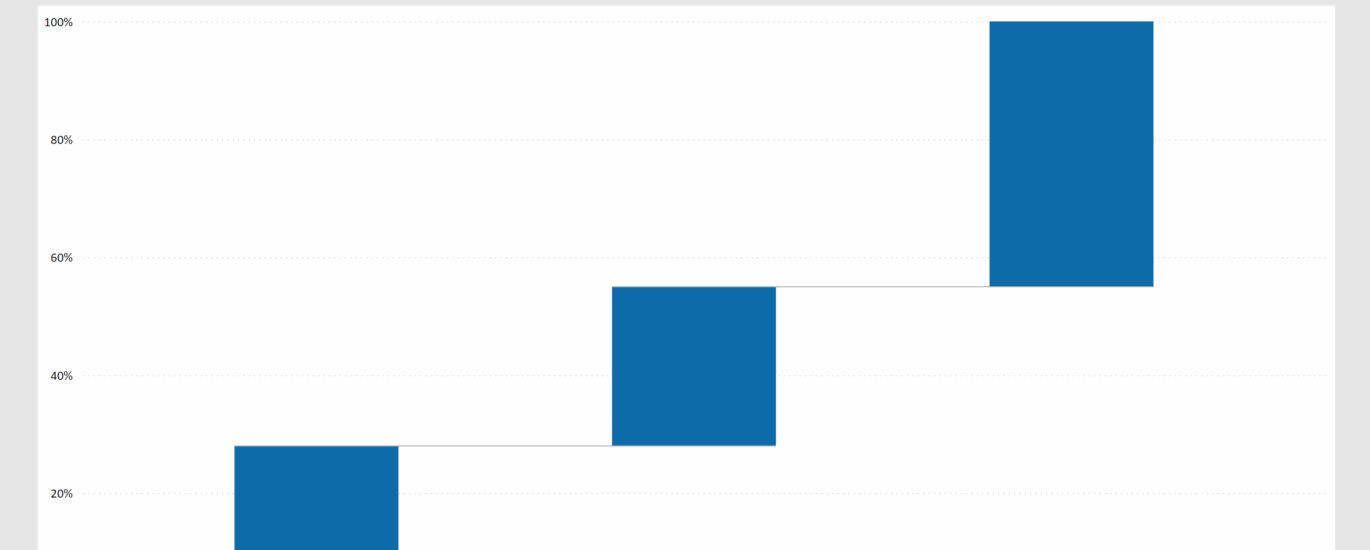
According to the report, the top three manufacturers together command nearly 28% of the market. These seasoned players are not resting on their laurels. Gerresheimer, for instance, continues to push boundaries with its high-barrier, tamper-evident glass serum bottles — a clear signal of its commitment to safety and quality. SGD Pharma is investing heavily in AI-driven, recyclable glass solutions, while Nipro leverages precision molding to deliver medical-grade plastics tailored for critical applications.
Meanwhile, strong momentum is building among second-tier players such as Bormioli Pharma, West Pharmaceutical Services, and AptarGroup. These companies contribute over a quarter of the market share by producing affordable, customizable, and compliant packaging solutions for both pharmaceutical and biotech segments. Bormioli is advancing its sustainable-material offerings; West is pioneering traceable, RFID-enabled packaging; and Aptar is enhancing secure dosing and closure systems to meet evolving customer needs.
What may be most exciting is the surge in innovation from newer, more agile manufacturers — the so-called Tier 3 cohort. Collectively holding approximately 45% of the market, they specialize in highly customized, tamper-proof designs crafted to niche client needs. These include bottle formats using biodegradable plastics, dropper systems, and even RFID-equipped smart bottles that enable superior tracking and authenticity.
A key driver across the board is sustainability. Manufacturers are increasingly focused on creating bottles from recycled or biodegradable materials, improving barrier coatings, and reducing weight. At the same time, smart packaging technologies like serialization and RFID offer not just security, but real-time visibility across the supply chain.
Another major trend is automation and AI. Producers are integrating automated production lines and predictive analytics for quality control. AI-powered design platforms are helping optimize bottle geometry, dropper performance, and personalization, which significantly reduces production costs and turnaround times.
“Manufacturers who align with sustainability goals while enhancing regulatory compliance and product traceability are positioned to lead,” said one industry insider. The strategic playbook for technology suppliers now includes energy-efficient manufacturing, smart tracking, and flexible customization to serve both pharmaceutical and cosmetic customers.
The market’s future roadmap clearly favors a two-pronged innovation strategy: legacy players scaling advanced capabilities; and emerging manufacturers disrupting with rapid, consumer-centric smart designs.
For instance:
- Gerresheimer is double-downing on barrier-coated, tamper-proof glass vials.
- SGD Pharma advances recycled glass bottles using AI-managed production.
- Nipro’s precision-molded serum bottles are becoming go-to formats for biotech-based injectables.
- Bormioli is expanding its eco-friendly material portfolio.
- West is enhancing RFID-backed traceability and safety.
- Start-ups within Tier 3 are responding to niche demands with biodegradable polymers, dropper-integrated designs, and networked packaging.
With global serum bottles market projected to grow at a steady 5.5% CAGR from 2025 to 2035, companies are not just scaling production — they’re rethinking their entire value chain. The convergence of sustainability, digital traceability, and AI-driven efficiency marks a transformative moment in primary packaging.