The blister packaging market is entering a new era of expansion, according to the latest industry analysis. Established manufacturers are scaling up sustainable and smart solutions, while ambitious new entrants are leveraging advanced technologies and eco-friendly materials to capture share. Together, they are reshaping how pharmaceutical, consumer goods, and healthcare companies protect, present, and track their products.
According to the Future Market Insights report on blister packaging, the global market is projected to grow significantly over the next decade, driven by rising demand for tamper-evident, single-dose, and compliance-friendly packaging. The report projects that the industry will reach approximately USD 37.9 billion by 2035, with a compound annual growth rate of 2.4 percent between 2025 and 2035.
Legacy Leaders Lead with Sustainability and Innovation
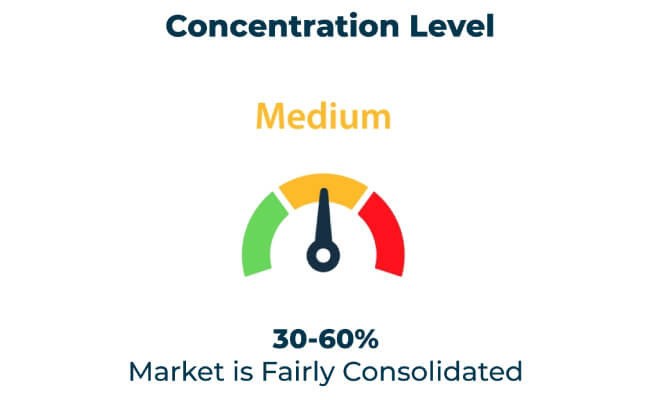
Long-established industry giants remain at the forefront of blister packaging innovation. The report highlights Amcor Plc, Sonoco, and WestRock as the top three players — jointly commanding an estimated 25 percent of the market in 2025. These firms are not merely defending their dominance: they are aggressively investing in new, greener solutions.
- Amcor Plc is redefining barrier performance with high-barrier, bio-based blister solutions that safeguard product shelf life while reducing environmental impact.
- Sonoco is pushing lightweight yet recyclable designs tailored for both consumer products and medical devices, enabling circular packaging models without compromising strength.
- WestRock is embracing digital transformation by integrating smart packaging features such as QR codes, track-and-trace, and user engagement platforms into its blister formats.
These legacy companies—classified as Tier-1 in the report—are complemented by Tier-2 and Tier-3 innovators like Constantia Flexibles, Klöckner Pentaplast, Bemis Company, Tekni-Plex, and Sealed Air, all of which are expanding their footprint through barrier technology, automation, and material diversification.
New and Emerging Manufacturers Seize the Moment
While established manufacturers continue to scale, the blister packaging landscape is also welcoming agile new players who are capable of disrupting norms. These emerging companies are betting on sustainability, cold-form technologies, and novel customization.
Some of the most promising trends among these upstarts include:
- Eco-friendly films: Mono-material laminates, bioplastics, and compostable films are increasingly being adopted. These new entrants are riding the wave of environmental regulation and consumer pressure to reduce plastic waste.
- Cold-form blister technology: Next-gen cold-form blister packs are being engineered to offer superior barrier protection—even in demanding conditions. These designs lower risk of moisture ingress, increase shelf stability, and cater especially to sensitive drugs.
- Smart, trackable packaging: From QR-enabled authentication to NFC and embedded sensors, new players are integrating digital features that appeal to pharma and consumer brands focused on traceability and engagement.
- Customization & automation: Flexible, design-forward printing methods, AI-powered manufacturing, and modular machines are enabling market newcomers to scale rapidly while tailoring packaging to niche products and regulators.
These innovative entrants are partnering with contract-packaging specialists or investing directly in automated production lines, a shift that is accelerating their market presence
Sustainability at the Core
A major theme in the report is sustainability. The blister packaging industry is moving fast toward a circular economy: companies are launching mono-material packs that simplify recycling, reducing carbon footprints through lightweight designs, and increasingly using plant-based polymers. These initiatives are not just good for the planet — they also align with tightening regulatory standards and brand promises, making sustainability a powerful business lever.
Regional Momentum: Asia-Pacific and Beyond
Emerging economies are driving blister packaging demand, particularly in Asia-Pacific, where healthcare spending is rising rapidly. The report observes that governments in countries like India and China are supporting environmentally responsible packaging, fueling adoption of next-generation blister technologies. Meanwhile, in mature markets such as North America and Europe, stricter regulations and technology readiness are accelerating smart packaging adoption.
What This Means for the Industry
- Established players will continue to consolidate their leadership by strengthening sustainable production and scaling smart blister systems.
- Newer innovators have a powerful tailwind: sustainability mandates, digital transformation, and regional demand are creating golden opportunities to grow.
- Pharma and consumer brands will increasingly rely on contract-packaging partners who can deliver both compliance and innovation.
- End-users and regulators benefit too: safer, traceable, and eco-friendly blister packs will strengthen trust and align with global environmental goals.