The stretch blow molding machines market is witnessing a transformative boom as both established heavyweights and emerging players accelerate investments in sustainability, automation, and next-generation production technology. A recent market analysis report highlights how leaders in the industry are expanding their footprints, while new manufacturers are boldly stepping in with disruptive, energy-efficient, and highly customizable solutions.
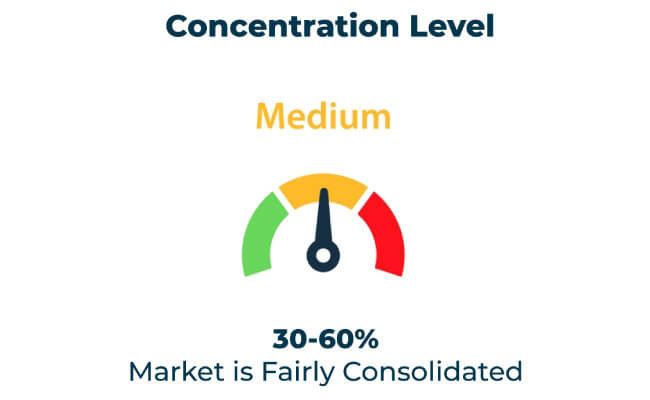
Traditionally dominated by global titans such as Sidel, Krones, and KHS Group, the stretch blow molding machinery sector still commands a substantial share of the market. These leading firms continue to define the competitive landscape through their leadership in high-speed blow molding, global distribution networks, and ongoing research and development. Their unwavering focus on precision, quality, and scalable operations positions them to cater effectively to high-volume sectors like beverage packaging and consumer goods.
However, the market narrative is evolving. Tier-2 and tier-3 players such as Aoki Technical Laboratory, Nissei ASB, SIPA, SMI Group, Tech-Long, PET Technologies, and Chumpower are rapidly gaining traction. These companies account for a significant portion of market share—collectively outpacing some traditional competitors. Their strengths lie in innovation, modular machine design, and cost-efficient energy consumption, enabling them to serve diverse end-market needs ranging from personal care to pharmaceutical packaging.
One of the most compelling trends fueling this expansion is the industry’s shift toward sustainable manufacturing. Forward-thinking manufacturers are now developing machines compatible with recycled PET (rPET) and bio-based plastics. At the same time, green energy is being baked into equipment design: hybrid and fully electric stretch blow molding machines are gaining momentum, offering lower energy usage without compromising performance.
To support these sustainability goals, key players are also integrating AI-driven process monitoring and real-time defect-detection systems. These smart features not only enhance product quality but also reduce waste and production downtime. In parallel, servo-driven technology is being adopted to achieve high-speed, low-energy performance, while multi-cavity machines are boosting output and flexibility, allowing manufacturers to scale production up or down as needed.
On the innovation frontier, companies like Sidel are breaking ground with AI-powered process optimization for high-speed operations; whereas Krones is pioneering hybrid blow molding machines that require significantly less energy. KHS Group is rapidly expanding its lineup of rPET-ready systems, helping companies switch to more sustainable packaging materials without sacrificing efficiency.
Emerging players are not far behind. Aoki Technical Laboratory has rolled out compact, multi-cavity machines suited for smaller-volume production, while Nissei ASB continues to push the envelope with precision-focused blow molding solutions tailored for pharmaceutical containers. SIPA has made headlines by launching fully automated production lines equipped with real-time defect detection, dramatically reducing scrap and improving reliability. SMI Group is also making strides by developing lightweight PET bottle molding technology that minimizes material usage without compromising bottle strength.
Market analysts suggest that innovation won’t slow down. Technology suppliers are being called upon to align with the market’s sustainability agenda by creating equipment that supports:
- Energy-efficient, rPET-compatible molding machines,
- AI-powered quality control and process monitoring,
- Flexible systems with rapid mold-change capabilities, and
- Connected, IoT-enabled machines that offer real-time diagnostics and predictive maintenance.
Geographically, growth is being driven by strong demand in both mature and emerging markets. North America and Europe continue to lead in adopting eco-conscious solutions, while Asia-Pacific is dominating manufacturing scale due to cost-effective production setups. Across regions, companies are tailoring their offerings—both in terms of machine size and functionality—to match local needs, regulatory environments, and sustainability targets.
Looking ahead, the stretch blow molding machines industry is poised to accelerate toward a more intelligent, environmentally friendly era. Manufacturers will increasingly refine ultra-lightweight bottle designs, scale up closed-loop recycling processes, and roll out connected machines equipped with predictive maintenance.
For new and growing manufacturers, the roadmap is clear: prioritize eco-conscious innovation, embed digital intelligence into machine design, and offer customizable solutions that scale with your customer’s aspirations. For the established leaders, staying at the forefront means continuing to push boundaries in automation, efficiency, and circularity.