The global disposable egg trays market is entering a dynamic phase of innovation and expansion, fueled by both seasoned industry leaders and agile newcomers focused on sustainability, efficiency, and smart packaging. A recent market intelligence report has highlighted this shift — traditional players are strengthening their foothold, while emerging manufacturers are leveraging new materials and technologies to accelerate growth.
According to the latest analysis, established giants such as Huhtamaki, Hartmann, and CDL Omnipac continue to command a significant share of the market through their deep expertise in molded pulp and fiber packaging — combining proven designs, strong distribution networks, and well-invested production capacity. These leaders are increasingly driving innovation with eco-conscious approaches: Huhtamaki has rolled out fully recyclable molded-fiber egg trays, Hartmann has introduced biodegradable, moisture-resistant variants, and CDL Omnipac is scaling compostable, high-barrier trays designed to extend freshness.
At the same time, second-tier manufacturers—Pactiv Evergreen, Tekni-Plex, and Genpak—are rapidly gaining ground. These companies are catering to cost-sensitive and mid-sized producers with lightweight, digitally printed, and recyclable tray options, making egg packaging both more efficient and more adaptable.
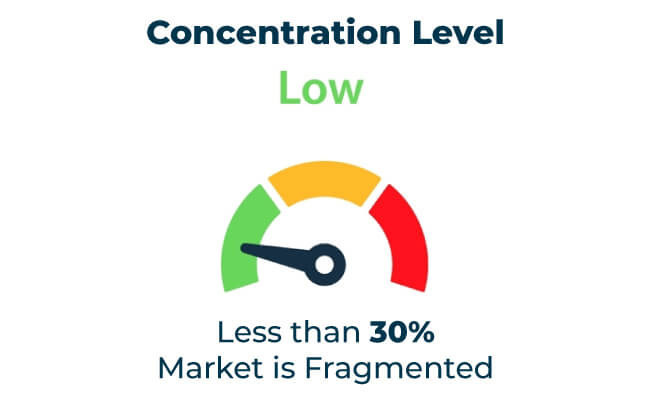
Importantly, the market is also witnessing a surge of innovation from Tier 3 companies — regional producers, niche specialists, and startups. While individually smaller, these firms collectively control a notable portion of market share and bring agility and bespoke solutions. Their strength lies in custom designs: compostable trays, high-strength alternatives, and smart packaging embedded with QR codes and tracking features.
What unites all these players is a shared recognition that sustainability is no longer optional — it’s a strategic imperative. Across the value chain, companies are embracing advanced technologies to reduce environmental impact. Key trends identified in the report include:
- Eco-friendly material shifts: The move toward recycled paper pulp, biodegradable plastics, and compostable materials is accelerating, as manufacturers retool production to meet stricter environmental standards and consumer demand.
- Production innovation: New investments in AI-driven mold optimization and automated pulp-molding systems are making manufacturing more efficient, reducing waste, and improving consistency.
- Smart packaging: Emerging egg trays now incorporate features like QR codes, tamper-evidence, and supply chain visibility to enhance traceability and quality control.
- Logistics performance: Lightweight, stackable designs reduce transport costs and emissions, while moisture-resistant and high-barrier trays protect fragile eggs during long-distance shipping.
- Regional growth: The Asia-Pacific region is showing particularly strong momentum, with expanding poultry production and rising demand for premium, sustainable packaging.
The report suggests that technology providers in the egg-handling and FMCG packaging sectors should focus on two strategic priorities: supporting transitions to compostable and recyclable materials, and enabling small and mid-scale producers to adopt digital printing, automation, and smart packaging.
This moment in the disposable egg tray market resembles a tipping point. Established manufacturers are not just defending their positions — they are reinventing their product lines. At the same time, nimble, younger players are pushing the boundaries of design and functionality. Together, they are driving a transformation rooted in sustainability, efficiency, and digital integration.
The implications are significant. For poultry producers, supermarkets, and food distributors, the rise of advanced, eco-friendly egg trays offers stronger protection, better brand engagement, and lower costs. For the environment, the shift translates to reduced waste, cleaner supply chains, and a faster move toward circular packaging.
As both legacy and new manufacturers scale up their efforts, the disposable egg trays market is set to become a global success story of innovation, collaboration, and sustainability — one tray at a time.