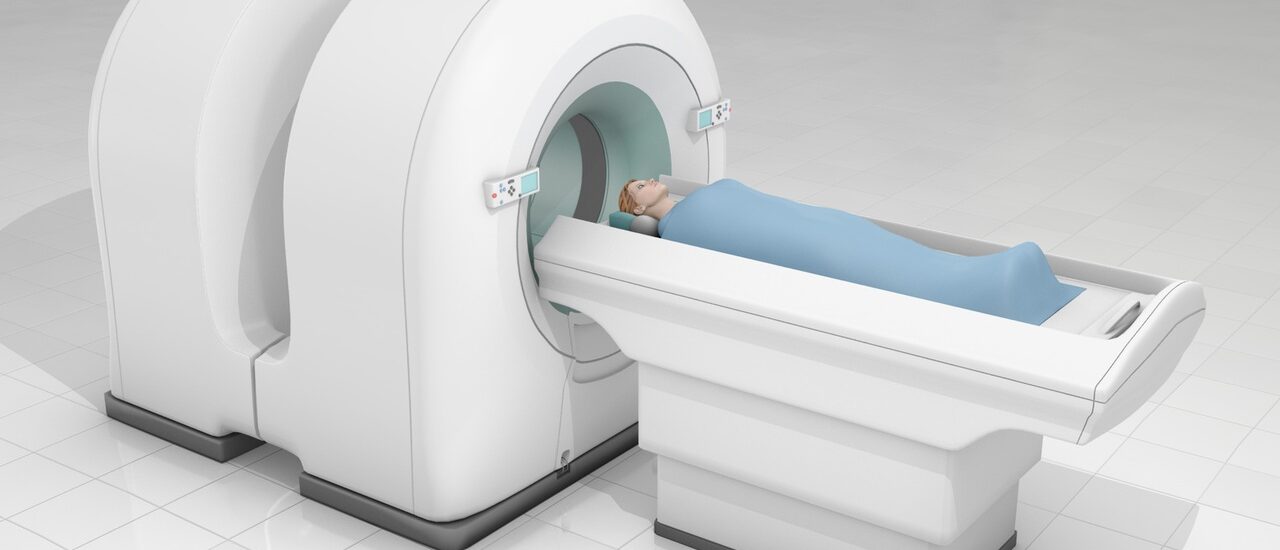
The global Positron Emission Tomography (PET) Scanners Market is entering a new phase of data-driven expansion, with revenues projected to reach USD 1,441.5 million by 2025. The market is anticipated to maintain a CAGR of 5.3% through 2035, ultimately surpassing USD 2,415.9 million. After generating USD 1,368.9 million in 2024, the sector continues to gain momentum as healthcare systems prioritize early diagnosis, hybrid imaging, and personalized treatment strategies.
Surge in Demand for Early Detection Strengthens Market Outlook
“Explore trends before investing – request a sample report today!”
https://www.futuremarketinsights.com/reports/sample/rep-gb-1333
PET scanners remain critical in oncology, neurology, and cardiology due to their unmatched ability to visualize metabolic activity. Technological advancements, reduced scanning time, and improved detector performance have increased adoption across hospitals and diagnostic networks. Growing awareness of PET imaging among clinicians, along with stronger reimbursement policies in developed regions, has also supported market acceleration.
Key Drivers Highlighted:
- Rising preference for hybrid imaging modalities
- Strong demand for high-resolution oncology diagnostics
- Cost reductions in operational workflows
- Growing radiopharmaceutical innovation
Hybrid Imaging and Digital PET Systems Drive Competitive Differentiation
Over the past four years, digital PET, PET/CT, and PET/MRI technologies have set new benchmarks in clinical accuracy. Healthcare providers are investing in scanners that offer superior sensitivity, lower radiation exposure, and AI-supported imaging workflows for faster interpretation. With chronic diseases on the rise, the need for precise staging and real-time monitoring of treatment response has positioned PET as a pivotal diagnostic tool.
Expanding Clinical Applications Boost Future Market Potential
Hybrid imaging systems continue to transform the PET landscape, enabling clinicians to merge metabolic and anatomical data for earlier and more personalized diagnoses. This trend aligns with the growing emphasis on individualized therapy planning, especially in oncology. As healthcare infrastructures modernize across Asia-Pacific and emerging markets, installation of PET scanners is projected to increase significantly over the next decade.
Subscribe for Year-Round Insights → Stay ahead with quarterly and annual data updates –
https://www.futuremarketinsights.com/reports/brochure/rep-gb-1333
Regional Momentum: North America, Europe, and APAC Lead Global Expansion
North America retains its lead through rapid adoption of AI-enabled PET systems, strong reimbursement frameworks, and early introduction of next-generation radiotracers. Europe benefits from advanced cancer screening programs and strong collaboration between research centers and industry players. Meanwhile, Asia-Pacific—particularly China, India, and Japan—continues to invest heavily in diagnostic infrastructure, accelerating PET scanner uptake amid growing chronic disease burdens.
Region-Wise Highlights:
- North America: Hybrid PET dominance and strong R&D ecosystem
- Europe: High adoption supported by reimbursement and imaging innovation
- Asia-Pacific: Rising medical tourism, expanding hospital networks, and government-funded nuclear medicine initiatives
Opportunities and Challenges Shape Market Trajectory
High capital costs remain a major limitation in developing economies, particularly for full-ring PET systems that require specialized infrastructure. However, increased funding for advanced imaging, new radiotracer development, and the emergence of compact partial-ring PET scanners are bridging accessibility gaps.
Key Growth Opportunities:
- Accelerated government investments in precision diagnostics
- Rising clinical trials requiring PET-based imaging endpoints
- Expansion of PET centers in Tier-2 and Tier-3 cities globally
AI Integration and Early Disease Detection Define the Next Decade
Machine learning and AI-supported imaging platforms now improve lesion detection, automate quantification, and lower diagnostic errors, enhancing radiologist productivity. As healthcare shifts toward preventive medicine, PET adoption is expected to rise for early-stage cancer detection, neurological screening, and cardiovascular monitoring.
Competitive Landscape: Innovation at the Core
The market reflects strong competition among global leaders advancing digital PET, hybrid scanners, and workflow automation technologies. Companies are also forming partnerships with universities, hospitals, and research laboratories to accelerate product development and expand global reach.
Industry Players Advancing Market Growth:
- GE Healthcare: Next-generation PET/MR and digital PET detectors
- Canon Medical: High-sensitivity digital PET/CT with low-dose protocols
- Philips Healthcare: Fully digital PET/CT with AI-driven reconstruction
- Siemens Healthineers: Whole-body PET systems enabling faster scans
Key Competitive Advantages:
- Higher resolution for oncology and neuroimaging
- Reduced scan times and operational efficiencies
- Strong global service networks
About Future Market Insights (FMI)
Future Market Insights, Inc. (ESOMAR certified, recipient of the Stevie Award, and a member of the Greater New York Chamber of Commerce) offers profound insights into the driving factors that are boosting demand in the market. FMI stands as the leading global provider of market intelligence, advisory services, consulting, and events for the Packaging, Food and Beverage, Consumer Technology, Healthcare, Industrial, and Chemicals markets. With a vast team of over 400 analysts worldwide, FMI provides global, regional, and local expertise on diverse domains and industry trends across more than 110 countries.
Contact Us:
Future Market Insights Inc.
Christiana Corporate, 200 Continental Drive,
Suite 401, Newark, Delaware – 19713, USA
T: +1-347-918-3531
For Sales Enquiries: sales@futuremarketinsights.com
Website: https://www.futuremarketinsights.com
LinkedIn| Twitter| Blogs | YouTube