The global collapsible water bottle market is on a remarkable upward trajectory, with the industry projected to grow from an estimated USD 2.3 billion in 2025 to USD 4.3 billion by 2035, fueled by a compelling compound annual growth rate (CAGR) of 6.5%. This surge reflects growing demand from on-the-go consumers, rising sustainability awareness, and technological innovation. (Source: Future Market Insights)
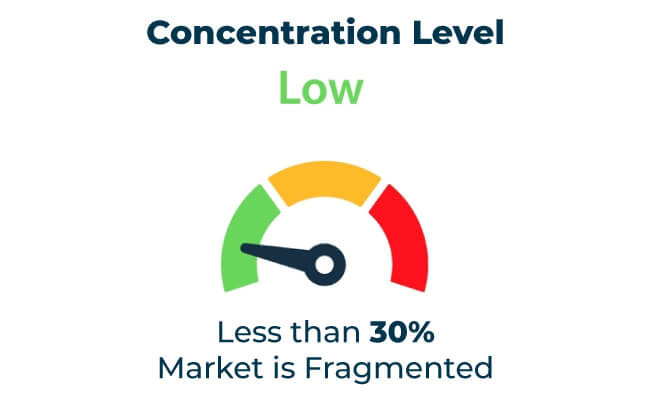
As this space-saving, reusable hydration solution becomes increasingly mainstream, both well-established manufacturers and agile newcomers are seizing the opportunity to scale and innovate — together transforming the industry landscape.
Legacy Players Double Down on Innovation
Long-standing brands are building on their leadership with renewed investments in research and development. Key names leading the charge include Vapur, Hydrapak, inov-8, Salomon SAS, and Ultimate Direction — companies that have built reputations for high-quality, performance-driven hydration gear.
These established players are not resting on past successes. For example:
- Vapur, Inc., known for its ultra-light, fold-flat bottles, recently introduced a three-layer BPA-free design that offers enhanced durability while retaining flexibility and portability.
- Hydrapak LLC unveiled a new Flux™ 1L model, combining the grip and structure of a rigid bottle with the compressibility of a flask, while slashing over 50% of its weight and integrating a leak-proof twist cap for convenience.
- 4MO Plastic Co. Ltd., based in Zhuhai, continues to expand its range with BPA-free travel bottles, sport-focused collapsibles, and even collapsible silicone options for kids.
These initiatives reflect the commitment of legacy companies to not just sustain market presence, but to lead through smart design, sustainability, and functionality.
Start-Ups and New Entrants Bring Fresh Energy
At the same time, the market is being invigorated by innovative start-ups and challenger brands that are introducing fresh technologies and novel materials. These emerging players are pushing boundaries in design, sustainability, and user experience.
Two particularly noteworthy newcomers:
- Rubberfy, launched in 2024, is making waves with its lightweight, portable silicone collapsible bottles. Built with soft food-grade silicone, these bottles are foldable, durable, and made for people who prioritize minimalism and eco-friendliness.
- HydroFold Technology, a Philippines-based start-up, offers bottles engineered with geometric folding patterns that can compress by up to 90%. Their design makes them incredibly space-efficient — perfect for urban commuters, hikers, and travelers.
These young companies are proving that in this market, creativity and flexible business models can challenge and complement established players. Their focus on sustainability, clever materials, and on-the-go usability is resonating strongly with today’s consumers.
Why the Market Is Booming
Several key trends are fueling this remarkable growth:
- Sustainability Momentum
As global awareness about single-use plastics intensifies, collapsible bottles are emerging as a preferred solution. Their reusability and compact footprint align with consumer demand for eco-friendly hydration. - Lightweight & Space-Efficient Design
The HDPE segment is expected to hold around 28.3% of the market in 2025, thanks to its flexibility, recyclability, and resilience. Meanwhile, bottles in the 500–750 ml capacity range — projected to command 33.4% of the market — are becoming popular for their balance between portability and capacity. - Lifestyle Shifts & Outdoor Activity
Whether commuting in dense cities, traveling, or participating in outdoor sports, modern consumers are increasingly seeking hydration gear that doesn’t weigh them down or take up precious space. - Innovative Technology & Materials
The race is on for new folding mechanisms, leak-proof closures, antimicrobial coatings, and advanced materials. From silicone to BPA-free plastics, manufacturers are experimenting aggressively. - E-commerce & Global Reach
Online retail is making it easier for both well-known and niche brands to reach a global audience. This is helping small innovators scale fast, while also giving established players new distribution channels.
What This Means for Manufacturers
- For established players, this is a moment to double down on R&D. The future lies in marrying durability with portability, and legacy brands have the production know-how and distribution networks to scale their innovations.
- For new entrants, the market is wide open. The lower barriers to entry — particularly via digital channels — mean that disruptive ideas can gain traction quickly.
- For all players, partnering with technology providers, material scientists, and sustainability experts could unlock major advantages. Whether through modular designs, smart hydration tracking, or biodegradable materials, the next decade promises exciting innovation.
Investor & Industry Perspective
Investors, too, are taking note. The projected growth rate underscores the potential for strong returns. As the market expands, partnerships, mergers, and joint ventures between legacy names and nimble start-ups are likely to accelerate — catalyzing product innovation and global reach.
Sustainability-driven investors may especially gravitate toward companies that are driving eco-conscious design, while performance-focused backers may look at brands that excel in outdoor, fitness, and travel markets.