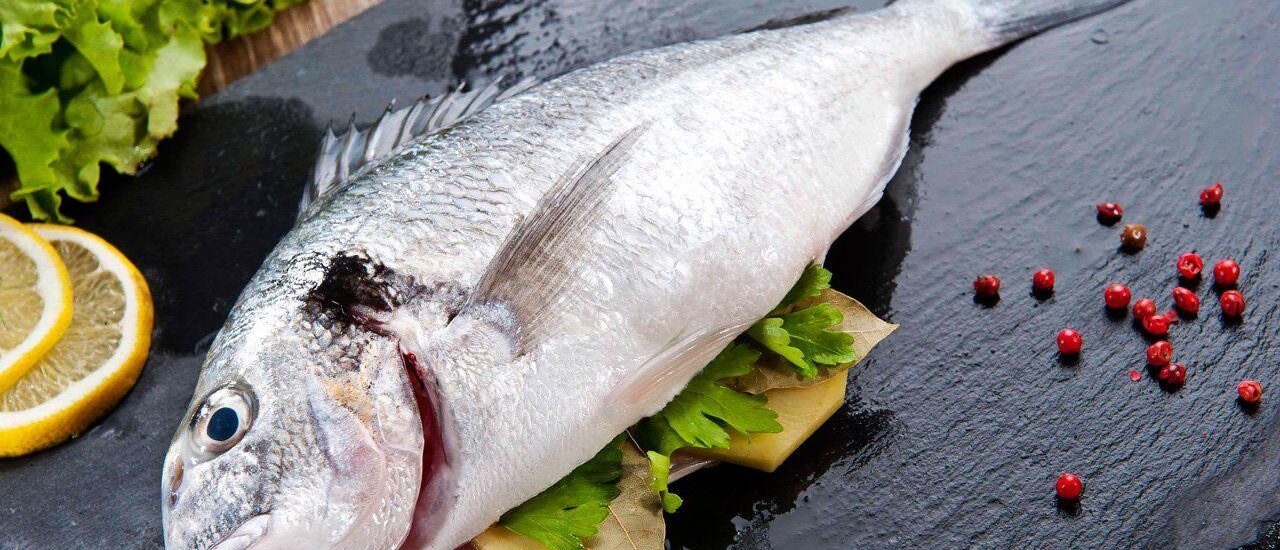
The global sea bream market is entering a phase of accelerated expansion, driven by shifting dietary priorities, strong aquaculture innovation, and rising consumer demand for high-quality, nutrient-dense seafood. The industry is projected to reach USD 2.45 billion by 2035, up from USD 0.98 billion in 2025, registering a robust CAGR of 9.8%. Increasing preference for protein-rich, lean, and omega-3-loaded seafood options continues to position sea bream as a favored choice among health-conscious shoppers worldwide.
Consumers are increasingly choosing seafood that supports cardiovascular health, muscle growth, and clean-label nutrition. Sea bream’s delicate taste, firm texture, and versatility across Mediterranean, Japanese, and Southeast Asian cuisines are fueling its integration into modern and traditional diets alike. As wellness-focused lifestyles rise globally, demand for premium, high-protein fish varieties remains elevated.
Sample Report With Complete Market Breakdowns And Growth Estimates. https://www.futuremarketinsights.com/reports/sample/rep-gb-6257
Organic Sea Bream Gains Massive Traction
The organic segment is expected to reach USD 1.35 billion by 2035, up from USD 0.42 billion in 2025, expanding at a leading CAGR of 11.5%. This segment benefits from rising preference for antibiotic-free, sustainable seafood and premium retail offerings in developed economies.
Key forces behind organic segment growth include:
- Strong sustainability certifications
- Higher consumer willingness-to-pay for clean-label seafood
- Supportive government regulations promoting eco-friendly aquaculture
Gilt-Head Bream Dominates Product Type Demand
Gilt-head bream remains the highest-value segment, estimated at USD 0.52 billion in 2025 and projected to reach USD 1.64 billion by 2035, growing at 11.8% CAGR. Its superior taste, aquaculture adaptability, and premium positioning accelerate adoption across Europe and Asia.
Other variants—including red bream, black bream, pandora bream, and white bream—provide market diversity but continue to scale at slower rates due to regional consumption patterns and lower premiumization.
Medium-Sized Sea Bream Leads Consumer Preference
Medium-sized sea bream is emerging as the most commercially viable size category, expected to reach USD 1.42 billion by 2035 from USD 0.43 billion in 2025, at 11.7% CAGR. Its optimal balance between affordability, portion size, and processing efficiency makes it the most demanded option across retail and foodservice.
Frozen Packaging Surges Ahead
Frozen sea bream products are set to record the strongest growth at 13.5% CAGR, reaching USD 1.30 billion by 2035. The segment’s popularity is propelled by:
- Extended shelf life
- Higher suitability for e-commerce and exports
- Advancements in freezing technologies improving texture and flavor retention
Fresh and canned formats remain important but grow at slower rates due to perishability and limited innovation.
Online Retail Becomes Fastest-Growing Sales Channel
Online retail is projected to expand at 15.3% CAGR, growing from USD 0.12 billion in 2025 to USD 0.51 billion by 2035. Digital grocery platforms, subscription seafood boxes, and traceability-supported D2C models are transforming consumer access, especially in urban markets.
Regional Growth Outlook (CAGR 2025–2035)
- United States – 10.3%
- United Kingdom – 9.5%
- France – 9.1%
- Germany – 8.7%
- Japan – 9.3%
The U.S. market benefits from strong demand for sustainable proteins and advanced RAS systems; the UK leverages strict sustainability standards; France and Japan rely on culinary heritage and premium seafood culture, while Germany’s demand is driven by health-forward consumers and eco-labeled imports.
Key Market Dynamics
Growth Drivers
- Rising global seafood consumption
- Investments in sustainable aquaculture technologies
- Expansion of cold-chain logistics
- Premiumization and value-added product innovations
Market Restraints
- Disease outbreaks in intensive aquaculture systems
- Regulatory complexity and compliance costs
- Climate-related disruptions
- Fragmented global supply chain operations
Competitive Landscape
The market remains moderately fragmented, with companies focusing on sustainability, premium product lines, and operational efficiency. Notable strategies include vertical integration, organic product diversification, offshore farming expansion, and modernization of land-based aquaculture systems.
Key companies emphasize selective breeding, biosecure hatcheries, improved feed conversion, and enhanced processing infrastructure to extend global reach and meet rising demand for high-quality sea bream.
Recent Industry Developments
- March 2024: The Nissui Group announced investments into Amethis private equity funds targeting food and aquaculture verticals.
- 2023: Cromaris launched SKIN BIO fillets for health-conscious consumers, expanding its premium seafood portfolio.