The global jewellery box industry is entering an important phase of transformation, as both long-standing manufacturers and agile new-market entrants ramp up efforts to expand their footprint, all while integrating cutting-edge technologies and sustainable materials. This dynamic movement is illuminated in a recent industry analysis, which forecasts the jewellery box market to reach USD 234 million by 2035, driven by a steady CAGR of 3.6%.
Established Players Expand Horizons
Industry leaders with deep heritage are now stepping up to broaden their reach. Brands that have traditionally catered to premium luxury segments are exploring new growth vectors — from entering emerging markets to adopting eco-materials and smart features. Their craftsmanship remains their hallmark, yet they recognize that growth today demands more than impeccable finishes.
For example, several renowned suppliers are exploring contract manufacturing and strategic partnerships to increase scalability and tap into regions previously under-served. These companies are leveraging their longstanding brand equity to move beyond local luxury niches and addressing broader global demand. They are also working to ensure that as they scale up, quality remains uncompromised — an essential factor in maintaining their premium positioning.
New Entrants Driving Disruption
Simultaneously, a wave of new manufacturers is making its mark by leveraging agility, cost-effectiveness, and strong digital-first propositions. These players are capitalizing on rising demand in e-commerce, gifting, and personalization segments. Unlike legacy players, they often launch with flexible business models—contract manufacturing, direct-to-consumer sales, and modular production lines.
Many new entrants are laser-focused on emerging geographies, particularly in Asia-Pacific, South America and Africa, where rising disposable incomes and urbanization are creating untapped potential. They are also offering highly customizable solutions, allowing consumers to select compartments, materials, finishes and even smart features.
Technological Innovation at the Core
Across the board, technology is reshaping the nature of the jewellery box. Integrations such as electronic locks, interior lighting, USB charging ports and even mobile-app connectivity are no longer futuristic — they’re becoming key differentiators. Materials science too is evolving: recycled woods, vegan leathers, biodegradable linings and minimalist packaging are now front-and-centre in design briefs.
Both established brands and new entrants are embracing sustainable production processes: low-energy manufacturing, waste reduction and modular design enable manufacturers to meet consumer expectations and regulatory pressures. With consumers increasingly favouring eco-conscious products, this shift is no longer optional.
Strategic Expansion and Market Opportunities
The market report outlines clear regional opportunities: North America and Europe continue to command strong share due to luxury demand and mature retail ecosystems. But it’s in Asia-Pacific and other emerging regions where growth is most pronounced. Urbanization, rising incomes and digital retail penetration are unlocking demand for accessible yet stylish jewellery-storage solutions.
For manufacturers willing to invest in new production capacity, flexible supply-chains and global distribution networks, these regions represent fertile ground. Contract manufacturing models enable smaller, nimbler players to scale quickly without the heavy capital expenditures traditionally required.
Overcoming Challenges
Of course, the path to expansion is not without obstacles. Premium materials and high-end finishes raise production costs. Ensuring durability while introducing lightweight, eco-friendly materials can be technically challenging. And intense competition — both from global brands and regional local players — means differentiation is essential.
That said, the most successful manufacturers are those who align three strategic vectors: premium design, smart feature integration, and sustainability. They are also those who engage directly with jewellery-brands, retailers and e-commerce platforms to broaden reach and tap into adjacent markets like gifting and personal organization.
Key Takeaways for Industry Stakeholders
- Manufacturers, whether established or new, who invest in smart storage solutions (electronic locks, lighting, charging) will be best positioned to capture growth.
- Suppliers embracing sustainable and recycled materials are building trust with eco-conscious consumers and staying ahead of regulatory shifts.
- Those expanding into emerging geographies and leveraging digital sales channels will benefit from the rising middle classes and changing purchase behaviours.
- Contract manufacturing remains a powerful tool — especially for new entrants — to scale operations rapidly without the overheads of owning entire production stacks.
About the Report
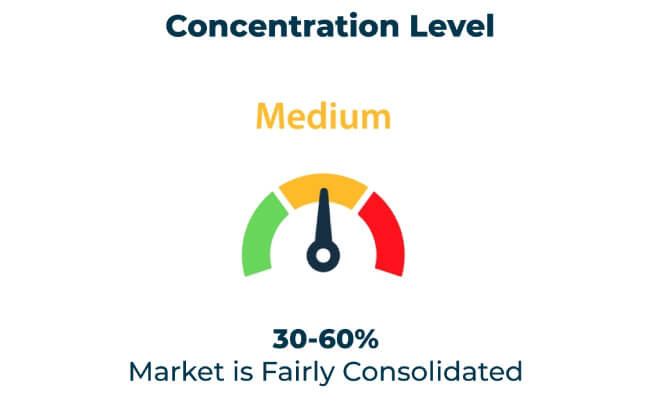
The market analysis highlights the competitive structure in the jewellery box sector: the top three players account for approximately 18% of the global market, the next five about 13% and the remaining players making up the rest. This segmentation illustrates the opportunity for agile players to carve out niche positions through innovation and flexibility.
Closing
As the jewellery box market evolves, both heritage manufacturers and nimble newcomers are discovering that success lies in blending tradition with transformation. Those who pair refined design with smart technology, sustainable materials and global ambition will be the ones leading the next wave of growth — turning a highly curated personal-storage product into a connected, conscious and globally distributed offering.