The global rain-barrels market is set to surge impressively over the coming decade, with an anticipated market size topping USD 4.3 billion by 2035, representing a compound annual growth rate of approximately 5.9%. This significant uptick presents a compelling opportunity not only for incumbent manufacturers but also for emerging players ready to embrace new technologies, smarter designs and fresh business models.
As water-scarcity, urbanisation and sustainability imperatives converge, the demand for efficient rain-water harvesting systems is accelerating worldwide. For manufacturers already operating in this field, the call to innovate has never been louder. For newer entrants, the market offers both fertile ground and clear entry paths.
Established Manufacturers: Leading the Charge
Long-standing players in the sector are leveraging their deep market experience, brand equity and supply-chain maturity to stay ahead. These firms are doubling down on product development—introducing UV-stabilised materials, modular storage systems, and smart sensors that monitor water-levels and usage in real time. By combining durability with design-forward aesthetics and the latest connectivity features, they’re converting sustainability goals into market differentiation.
In parallel, these incumbent manufacturers are expanding their global footprint, targeting regions such as North America and Europe where regulatory incentives and growing consumer awareness are strongest. Their established service networks and manufacturing capabilities allow them to respond rapidly to demand in both residential and commercial segments.
These firms are also embracing partnerships and strategic collaborations: whether it’s with smart-home technology providers, local governments offering rebates for harvested-rainwater systems, or recycled-material suppliers seeking to minimise environmental footprints. For these long-tenured manufacturers, the emphasis is shifting from “just making barrels” to delivering complete water-management solutions—intelligently designed, feature-rich, and globally scalable.
New Manufacturers: Seizing the Moment
For emerging manufacturers, now is an especially opportune time to enter the market. The barriers to entry are coming down: modular manufacturing techniques, digital-design prototyping, and global logistics platforms allow start-ups and smaller players to scale faster than ever. Meanwhile, awareness of water-conservation is rising in developing regions—particularly in Asia-Pacific, Africa and Latin America—offering untapped demand and less competitive intensity.
New entrants are carving out niches by focusing on specialised sub-segments: premium design-led rain barrels for high-end homes, commercial-scale systems for agriculture or corporate campuses, or regionally-adapted products tailored for harsh climates or low-infrastructure environments. Some are integrating IoT functionality from the ground up—enabling real-time analytics, overflow alerts or mobile-app monitoring. Others are exploring alternative materials—recycled plastics, biodegradable composites or stackable modular units—to appeal to eco-conscious buyers and emerging-market developers alike.
By focusing on agility, innovation and niche specialisation, new manufacturers can build momentum quickly. Strategic alliances—for example with municipal water-utilities or non-governmental organisations focused on water-management—can expedite entry into regions previously underserved.
Technological Transformation: The Engine of Growth
The growth of the rain-barrel market is being powered by a wave of technological innovation. Key trends include:
- Smart monitoring systems: Embedded sensors and connectivity allowing users to track water levels, usage patterns and maintenance needs in real time.
- Advanced materials: UV-resistant, lightweight yet durable materials improve lifespan, lower shipping-costs and reduce long-term maintenance.
- Modular & scalable designs: Products that can be stacked, expanded or customized—so that both small homeowners and large commercial clients find viable solutions.
- Eco-manufacturing: Growing use of recycled inputs, low-emission production processes and recyclable end-products.
- Geographic adaptability: Systems tailored for diverse climates and regulations—from humid tropical zones to arid urban centres.
Manufacturers—both established and emerging—who prioritize these technologies are positioning themselves to lead.
Strategic Implications & Market Opportunity
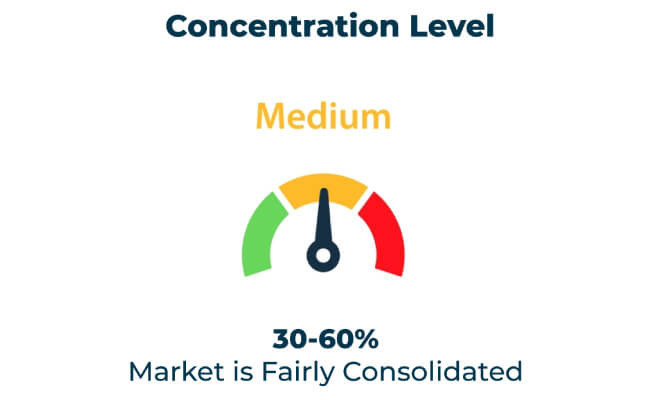
With the market composition still relatively fragmented—top 10 firms account for roughly 31% of share, the next 20 firms about 42% and the remainder the balance—significant room remains for manufacturing growth and competitive repositioning. Firms that invest in scalable manufacturing, regional distribution, and strong brand narratives around sustainability and innovation will be well-placed to capture new share.
Regions such as Asia-Pacific are promising high-growth fronts, fueled by rapid urbanisation, water-stress and evolving regulatory frameworks. Meanwhile, in North America and Europe, the established incentives and growing homeowner and corporate interest in water-management solutions continue to sustain robust demand.
For both established and emerging manufacturers, the strategic focus should be on:
- Innovation-led product development
- Expanding into underserved regions
- Building partnerships across smart-home ecosystems or urban-infrastructure projects
- Emphasising sustainable manufacturing and materials
- Offering flexible configurations for residential, commercial and agricultural end-users