The global stone-paper market is entering a period of compelling transformation and growth. According to a new comprehensive analysis by Future Market Insights titled Stone Paper Market Share & Industry Trends, the market is projected to exceed US $3.5 billion by 2035, supported by a healthy compound annual growth rate (CAGR) of approximately 7.5% from 2025 through 2035.
This market momentum reflects the rising demand for environmentally friendly alternatives to traditional wood-pulp paper—products crafted without water, chemicals or deforestation. At the heart of this trend are innovative manufacturing processes, strategic expansion efforts and new technologies leveraged by both established players and newcomers looking to capture share in this dynamic industry.
Established Players Lead the Charge
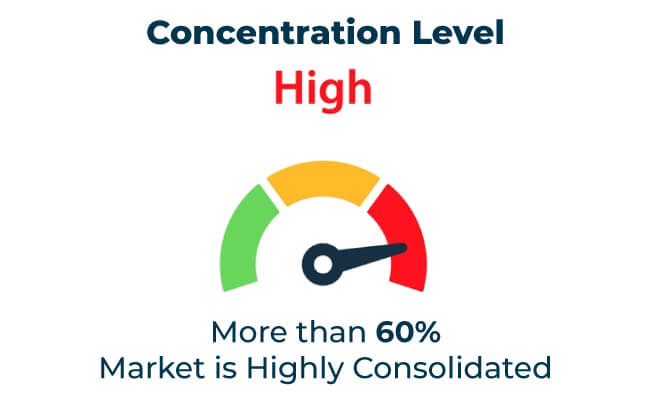
Industry-leading manufacturers are not waiting for the tailwinds—they are actively driving the market forward. Companies such as TBM Co., Ltd., Taiwan Lung Meng Technology and Sōjitz Corporation have emerged as front-runners, together holding an estimated 35 % of market share among the top three players. Alongside these, a select group of next-tier firms such as Pishgaman Sanat Sabz and Rockstock Papers make up the remainder of the high-performing top-five.
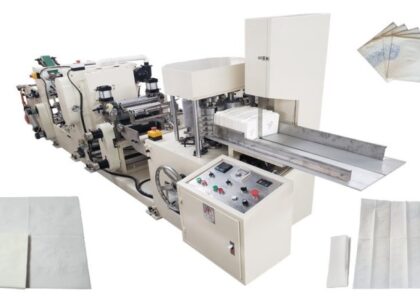
These established players are cementing their leadership through bold investments: expanding production capacity, introducing advanced extrusion techniques, and developing circular-economy models to augment sustainability credentials. Innovations such as stone-paper formulations compatible with digital printing and packaging applications have elevated the value proposition—and opened new avenues for growth.
Emerging Manufacturers Seize Opportunity
While the incumbents scale up, an equally important story is unfolding among newer and mid-tier manufacturers. With the stone-paper industry still at a relatively nascent stage in many regions, these players are leveraging flexible business models, nimble technology adoption and underserved emerging markets (especially in Asia-Pacific, Latin America and Africa) to stake meaningful positions.
For these companies, the path to growth is clear: adopt low-water, low-chemical manufacturing processes, lean into brand-differentiated applications (such as luxury stationery or durable packaging), and align with global sustainability mandates. As consumption shifts toward eco-friendly materials and governments introduce incentives for green manufacturing, emerging manufacturers are uniquely positioned to scale rapidly—even in the face of competition from traditional paper producers.
Technology Is the Differentiator
Key to the expansion story in this market is technological innovation. Consider the following trends reshaping the industry landscape:
- Advanced extrusion techniques for stone-paper production are driving cost efficiencies and higher throughput, enabling both established and emerging manufacturers to scale without compromising quality.
- Circular-economy models are gaining traction: manufacturers now recycle carbonates and leverage by-product streams, enhancing the sustainability profile and cost competitiveness of stone-paper products.
- Digital-printing compatibility has transformed stone paper from niche stationery to a credible substitute for conventional paper in packaging and printing applications—opening up substantial application-based growth.
- Light-weight formulations tailored for packaging are enabling stone-paper to challenge not only traditional paper but also plastic films and composite materials, addressing both performance and environmental concerns.
Why This Matters Now
Several converging factors are fueling the ideal conditions for growth:
- Environmental consciousness is at an all-time high, with manufacturers and consumers alike seeking alternatives that reduce deforestation, water usage and chemical inputs.
- Traditional paper production faces increasing scrutiny—especially in regions with strict environmental regulations. Stone paper offers a compelling alternative that avoids wood pulp and significantly lowers water and chemical consumption.
- The supply-chain footprint of stone-paper is increasingly global: North America, Europe and Asia-Pacific each play distinct roles in growth, with emerging regions offering substantial upside potential for both exports and local manufacturing.
Strategic Guidance for Manufacturers
For manufacturers—whether long-standing or newly entering the market—the time to act is now. Key strategic imperatives include:
- Invest in R&D: Focus on optimizing manufacturing processes, reducing capital intensity, and expanding application scope beyond stationery and simple packaging.
- Target emerging markets: Overlooked regions represent substantial upside; tailoring product portfolios and go-to-market strategies for Asia-Pacific, Latin America and Africa can yield first-mover advantages.
- Build partnerships: Collaborations with technology providers, packaging companies and brand owners accelerate scale-up and open new channels of adoption.
- Position for sustainability leadership: Customers increasingly look to align with manufacturers offering demonstrable green credentials—whether through waterless production, recycled content or carbon footprint transparency.
Looking Ahead
The stone-paper market is no longer just a niche alternative—it is fast evolving into a mainstream substitute for conventional paper in multiple applications. Companies that combine scale, innovation and sustainability will emerge as market leaders. At the same time, agile newcomers leveraging digital printing compatibility, lightweight packaging formats and circular manufacturing models have the opportunity to disrupt incumbents and gain meaningful traction.