As global supply chains evolve and regulatory pressures intensify, the security bottles market is witnessing a momentous transformation. A comprehensive industry analysis reveals that both long-standing manufacturers and new entrants are aggressively positioning themselves to capture value in the expanding domain of tamper-evident, smart and traceable packaging solutions.
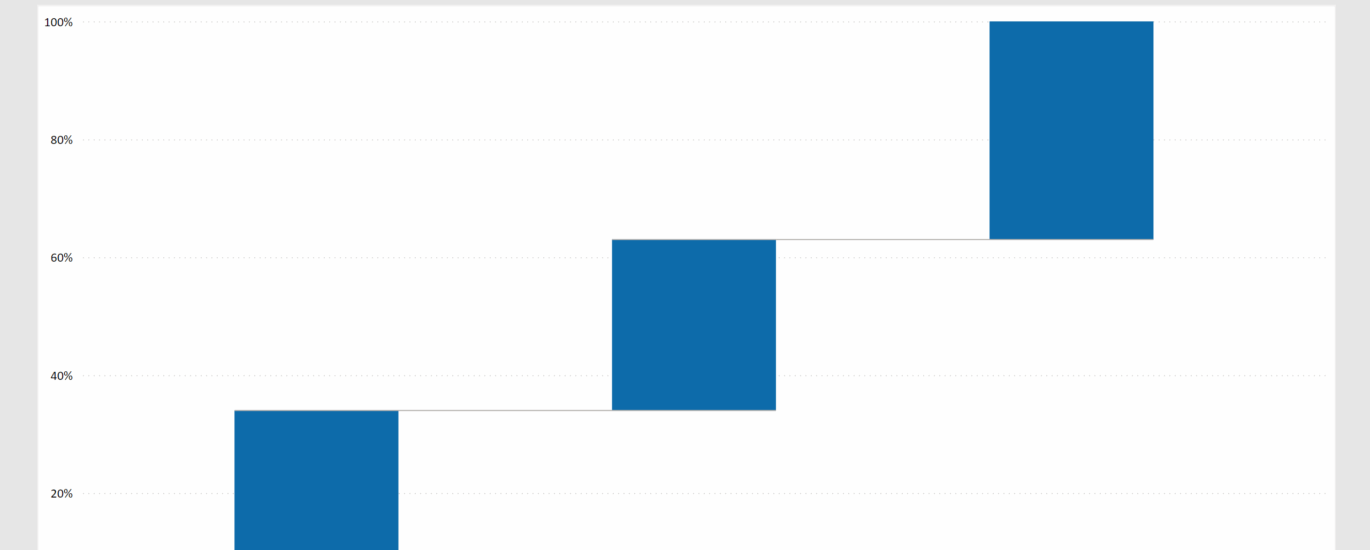
According to the recently published report, the global security bottles market is forecast to grow strongly from 2025 to 2035, driven by rising demand for anti-counterfeit protections, child-resistant closures and traceability features in pharmaceutical, personal-care and food & beverage applications. Within this context, established tier-one players such as Amcor Plc, Berry Global and Gerresheimer currently dominate, capturing approximately one-third of the market. At the same time, tier-two and tier-three companies are making significant inroads by introducing cost-effective, customized or niche-oriented solutions.
Established Players Upscale with Smart, Sustainable Innovation
Amcor, Berry Global and Gerresheimer continue to lead through innovation in high-performance tamper-evident bottles, AI-driven packaging, child-resistant formats and premium pharmaceutical-grade solutions. Amcor, for example, has developed fully recyclable and tamper-evident bottles; Berry Global launched smart track-and-trace packaging solutions; and Gerresheimer introduced child-resistant, pharmaceutical-grade bottles. At the same time, these players are incorporating advanced serialization, RFID-enabled features and sustainability criteria into their offerings.
Their established market presence gives them the scale and resources to invest in next-gen technologies. This allows them to meet the strict regulatory expectations of global pharma, leverage sustainability trends across personal care and food & beverage segments and stay ahead of counterfeiting threats. At the same time, their evolution signals an expanding opportunity for new technology suppliers, packaging machinery providers and niche bottle manufacturers who can partner with or challenge these leaders.
New & Growing-Scale Manufacturers Tap Niche Growth Opportunities
Beyond the tier-one domain, companies classified as tier-two and tier-three are carving out viable growth pathways. Firms such as SGD Pharma, Nipro Pharma Packaging and Bormioli Pharma account for nearly 29 % of the market. These manufacturers focus on cost-effective, secure solutions for pharmaceuticals and healthcare, customized bottle formats and high-barrier leak-proof designs.
Meanwhile smaller and regional players (making up the remaining ~37 %) are pushing the envelope with biodegradable materials, advanced serialization, RFID tracking and bespoke tamper-proof bottle designs tailored to unique end-user needs. Their agility allows them to respond quickly to niche demands—such as traceability in emerging markets or sustainable packaging within personal-care.
Technology Innovation as a Core Growth Lever
The momentum in the security bottles market is being propelled by multiple technology trends:
- Smart/IoT-enabled packaging: RFID and serialization provide real-time track-and-trace capability across the supply chain.
- AI-driven quality control and automation: Manufacturers are integrating artificial intelligence in production lines to detect tampering, improve throughput and reduce waste.
- Sustainable & biodegradable materials: As brand owners prioritise environmental responsibility, demand is growing for recyclable bottles, bio-based polymers and designs with lower carbon footprints.
- Industry-specific customization: From child-resistant closures in pharma to anti-counterfeit seals in personal-care, manufacturers are offering tailored versions of security bottles to meet sector-specific regulatory and branding requirements.
For new and growing manufacturers, this phase represents fertile ground. By investing in these technologies—customisation capabilites, automation, smart tracking and sustainable materials—they can differentiate themselves and capture meaningful share in an industry previously dominated by large incumbents.
Why Now is the Time to Expand and Collaborate
The marketplace is at an inflection point. Established leaders are deepening their portfolios beyond traditional bottles, leveraging scale and technology to serve multiple sectors. At the same time, smaller manufacturers and niche players have a compelling window to expand—either by forging collaborations with large brands, investing in smart/green technologies or specialising in high-growth geographies and segments.
For both categories of manufacturers, partnerships across packaging design, digital tracking systems, material science and supply-chain intelligence provide strong value creation potential. Brands increasingly view the bottle itself as a part of the product value-chain—where security, integrity, sustainability and branding converge.
Looking Ahead
Over the forecast horizon through 2035, the security bottles ecosystem is expected to evolve rapidly. Manufacturers that invest early in automation, recyclability, smart monitoring and customisation are likely to emerge as winners. Meanwhile, brand owners and regulators will continue to tighten requirements around traceability, authenticity and sustainability—accelerating the adoption of advanced security bottle solutions.
Both established and new manufacturers can seize this moment: the market is large, evolving and demanding innovation. Whether scaling globally or serving local niche segments, firms that combine technology with agility will thrive.
About the Report
The market analysis examined competitive breakdowns, tier-wise market share, innovation trends and technology road-maps within the security bottles industry. Key participants analysed include Amcor Plc, Berry Global, Gerresheimer, SGD Pharma, Nipro Pharma Packaging and Bormioli Pharma, among others.