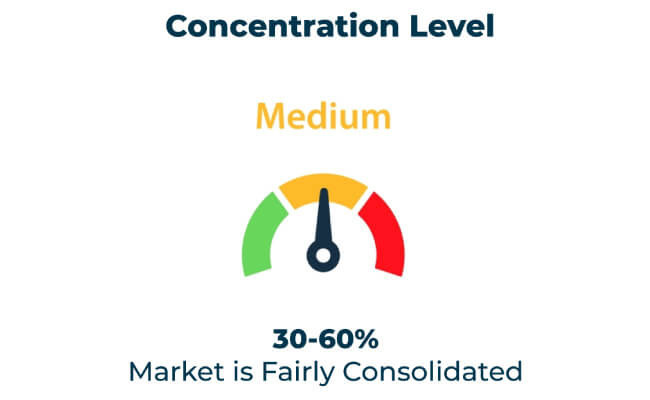
As the global healthcare landscape evolves rapidly, the surgical tape market is experiencing striking growth — and a wave of transformation is underway. Manufacturers, both established and rising, are leveraging new technologies and expanding production footprints to meet growing demands spurred by rising surgical volumes, advanced wound care, and expanding infrastructure across emerging markets.
According to the latest industry outlook, the surgical tape market is projected to exceed USD 8 billion by 2035, with a compound annual growth rate (CAGR) of approximately 5.3% from 2025 to 2035. This robust expansion is being driven by key trends: the growing number of surgical procedures globally, stronger emphasis on patient comfort and safety, and continuous innovation in adhesive and materials technology. The facts paint a vivid picture of where the industry stands — and where it is heading.
Established Players Leading the Charge
Top-tier manufacturers such as 3M, Johnson & Johnson and Medline Industries continue to dominate the market, collectively securing significant share. Their performances underscore the importance of scale, legacy expertise and the ability to rapidly adapt to changing clinical and regulatory requirements.
- 3M is widely recognized for its leadership in delivering advanced surgical tapes with superior adhesion and hypoallergenic properties — and continues to invest in high-tech materials that enhance patient outcomes.
- Johnson & Johnson places emphasis on user-centric design — combining comfort, safety and reliable clinical performance into its product lines.
- Medline Industries brings cost-efficient, eco-friendly options to hospitals and clinics globally, aligning with the healthcare sector’s growing sustainability focus.
These well-entrenched players are now reinforcing their positions by embracing next-generation adhesive systems, collaborating with healthcare providers on custom solutions, and ramping up production to serve emerging geographies. Their strategies highlight a dual focus: defending leadership today while preparing for tomorrow’s demands.
Opportunity for Emerging Manufacturers
At the same time, the market is ripe for new manufacturers looking to carve a niche. With the next 20 players capturing an estimated 25% share and the remainder 45%, there is considerable space for innovation, specialization and regional expansion. Emerging firms are actively exploring:
- Hypoallergenic, skin-friendly adhesive technologies to address sensitive wound care patients.
- Breathable and waterproof tape formats designed for long-wear, active-lifestyle and outpatient settings.
- Smart tapes that integrate sensing capabilities to monitor wound conditions or tape adherence over time.
- Sustainable manufacturing practices, using biodegradable or recyclable materials and waste-reduced packaging.
For a new entrant, this is an opportune moment. Growth in regions such as Asia-Pacific and Latin America is accelerating, driven by expanding healthcare infrastructure, increased government funding and rising awareness of advanced wound care solutions. Clinics and home-care segments are becoming more prominent end users as patients demand comfort, convenience and performance — giving newer manufacturers room to experiment, specialize and differentiate.
Technology and Sustainability—The Twin Engines
Across the board, innovation in adhesive formulation and sustainable design is proving to be the linchpin of competitive advantage. The shift toward silicone-based adhesives, breathable substrates and smart sensor-embedded tapes is transforming what was once a standard commodity into a differentiated medical-device offering. Meanwhile, manufacturers are increasingly embracing eco-conscious manufacturing — lowering their carbon footprints, increasing recyclability of products and packaging, and aligning with global regulatory and healthcare-facility sustainability goals.
These developments matter. They empower manufacturers — both large and small — to respond to evolving clinical needs, regulatory scrutiny and patient demand for high-performing, safe, comfortable surgical tapes.
Strategic Recommendations for Industry Players
To thrive, manufacturers should consider the following strategic priorities:
- Broaden Product Portfolios — Offering multiple formats of surgical tapes (outpatient, hospital, home care) enables access to a wider customer base.
- Collaborate with Healthcare Providers — Partnering with hospitals and clinics supports product co-development, quicker clinical adoption and deeper market access.
- Target Emerging Geographies — With strong growth expected in Asia-Pacific, Africa and Latin America, expanding distribution networks and localized manufacturing/tailoring will be key differentiators.
- Invest in R&D — Staying ahead on adhesive technology, wear-time performance, skin compatibility and sensor integration will help manufacturers rise above mere commodity competition.
- Commit to Sustainability — Manufacturers who adopt biodegradable materials, reduce packaging waste and optimize production efficiency will align themselves with healthcare purchasers focused on green credentials.
Looking Ahead
In a market where the big players have already laid much of the groundwork, the next chapter belongs to those who can innovate, specialize and localize. The surgical tape market is shifting from its conventional roots into a technology-forward, patient-centric and sustainability-driven industry. Established manufacturers are reinforcing leadership through scale and innovation — while emerging manufacturers have the opportunity to specialize, differentiate and access growing regional markets.
As hospitals, clinics and home-care settings worldwide demand better tapes — tapes that are gentler on skin, built to last, adaptable to environments and aligned with sustainability goals — the entire ecosystem moves forward. The manufacturers who embrace this transformation now are poised not just to grow, but to lead.