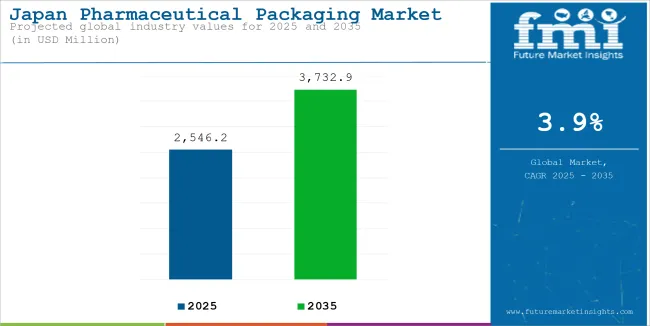
The dynamic landscape of Japan’s pharmaceutical packaging market is undergoing a transformative phase, bringing together established industry leaders and ambitious new entrants in a concerted drive toward innovation, efficiency, and global competitiveness. The release of a new in-depth market analysis reveals substantial opportunity for both mature manufacturers and emerging players looking to scale, diversify and incorporate cutting-edge technologies into their packaging solutions.
The report underscores that Japan’s pharmaceutical packaging sector is poised for significant growth, underpinned by a robust healthcare framework, increasing demand for specialty and biologic drugs, and a broader push for sustainability across packaging formats. For established manufacturers—those with long-standing operations and proven credentials—this presents an ideal moment to deepen market penetration, accelerate innovation cycles, and reinforce partnerships with global pharmaceutical firms.
Simultaneously, the market environment is exceptionally favorable for new manufacturers who have identified Japan as a strategic expansion frontier. Armed with agile operations, fresh technological investments and a global mindset, these newer players are entering the market with novel packaging formats, smart solutions and value propositions that complement long–time incumbents.
Innovation Takes Centre Stage
Both groups of manufacturers are embracing new technologies that redefine what pharmaceutical packaging can deliver. Smart packaging solutions—features such as RFID tags, tamper-evident indicators, dose-tracking sensors and blockchain-enabled supply-chain verification—are rapidly gaining traction. These innovations are not simply add-ons but form the core of next-generation packaging strategies aimed at enhancing patient safety, securing the supply chain and improving compliance with regulatory standards.
Sustainability is another major theme. Recyclable materials, lightweight designs, mono-material constructions and reduced carbon footprints are now table stakes. Established firms are leveraging decades of production experience to transition existing lines to eco-optimized formats, while new manufacturers are often launching purpose-built sustainable production facilities from the outset, thereby avoiding legacy constraints.
Strategic Expansion and Collaboration
For established manufacturers, growth isn’t just about new technology—it’s also about reaching new markets and product segments. Many are broadening their geographic scope to service cross-regional demand, developing bespoke packaging for specialty biologics, clinical trial supplies and orphan drugs. Meanwhile, new entrants are forming strategic alliances with contract packaging organisations (CPOs), drug-developers, and logistics providers, using collaborations as a springboard to scale swiftly in the Japan market.
The convergence of global pharmaceutical firms’ relocation efforts—driven by supply-chain resilience and near-shoring strategies—is amplifying demand for domestic packaging capacity in Japan. Both incumbent and new manufacturers are responding, investing in new production lines, clean-room facilities and digital traceability systems to serve global clinical and commercial drug launches.
Differentiation Through Specialisation
Market participants are distinguishing themselves through specialisation. Established players, with deep expertise in bulk production, high-speed filling and traditional blister and bottle formats, are expanding into adjacent packaging sectors—prefilled syringes, wearable injectors and connected drug-delivery devices. New manufacturers are often carving out niches in micro-dosing systems, unit-dose pouches, modular packaging systems and patient-centric packaging designs that support at-home administration and patient adherence.
This dual structure—where mature firms diversify into emerging formats while agile newcomers pioneer novel solutions—fuels competitive intensity and overall market vitality. As a result, pharmaceutical packaging in Japan is not just about containment; it’s evolving into a platform for patient safety, regulatory compliance and digital health integration.
Looking Ahead
The findings of the report indicate that over the coming years, the growth trajectory for Japan’s pharmaceutical packaging market will remain strong, with annual expansions driven by new drug approvals, rising biologic pipelines and a continuing regulatory push for serialization and anti-counterfeiting. For manufacturers, the key to success lies in balancing scale with innovation, and tradition with agility.
Established manufacturers must continue modernising their legacy operations, embracing sustainability and digitalisation, and reinforcing strategic partnerships. New manufacturers, on the other hand, should focus on rapid deployment of advanced technologies, forging collaborations with pharmaceutical developers and logistics networks, and exploiting the sheer scale of opportunity in Japan as a gateway to Asia-Pacific.