The global bio-based sealant films sector is entering a new phase of growth and innovation, driven by a combination of sustainability imperatives, evolving regulatory landscapes and rapid technological progress. According to the latest market overview, leading manufacturers are expanding and innovating at pace — while a growing number of nimble newcomers are carving out spaces of their own. This dynamic, competitive environment presents unique opportunities for both established players seeking to scale further and emerging manufacturers ready to disrupt.
Established Players Expanding Their Footprint
Top tier manufacturers are firmly on the move. Industry giants have long prioritised eco-friendly alternatives and now are doubling down on next-generation bio-based sealant films designed for high barrier, compostability, and circularity. These companies have the resources, brand recognition and distribution channels to drive large-scale change. Their current strategies centre on extending production capacity, integrating smart manufacturing and deploying advanced materials.
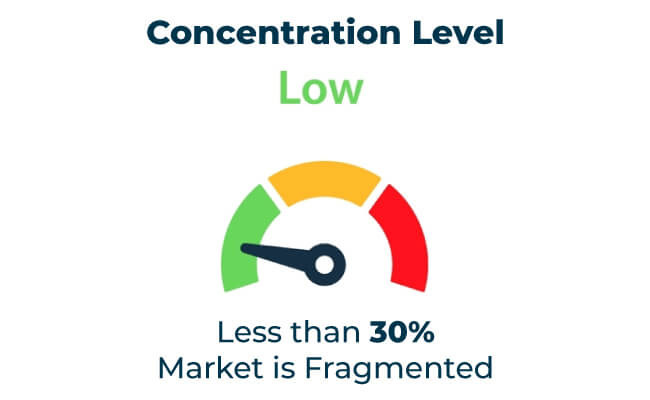
With market shares concentrated among these top players, they control large slices of the overall industry and thus set the tone for innovation. At the same time, mid-tier firms are steadily building momentum by targeting niche segments and regional markets. Among these are manufacturers focusing on certified compostable and recyclable mono-material films tailored for food, pharmaceutical and personal care packaging—a reflection of shifts in end-use demand and regulatory pressure.
New-Generation Manufacturers and Technological Disruption
At the same time, a diverse group of smaller, agile players are entering the arena. These niche and regional manufacturers specialise in highly innovative formulations: ultra-lightweight films, specialised barrier layers, and flexible bio-based combinations designed for specific applications. Their strength lies in adaptability: they can pivot faster to new regulation, customer demands, material science breakthroughs and process optimisation.
Innovation is not just material-led. Advanced technologies—including AI-powered quality‐control systems, smart packaging integration, and digital traceability—are becoming differentiators. These newer entrants are often less burdened by legacy infrastructure and therefore more able to adopt automation, advanced monitoring and machine learning-driven process optimisation. Their agility is helping accelerate the overall transformation of the bio-based sealant films ecosystem.
Technology and Sustainability as Growth Catalysts
Sustainability remains the core impetus behind change in this market. Demand for fully compostable sealant films, recyclable mono-material solutions, and high-barrier bio-films is surging, especially in food & beverage, pharmaceutical and personal care packaging. Meanwhile, manufacturers are embracing new production methods that reduce emissions, optimise material usage and simplify end-of-life disposal.
Technological innovation helps tie it all together. For example, AI-driven defect detection reduces waste and improves throughput. Smart packaging features—such as embedded sensors or QR code traceability—provide high‐value differentiation for brand-owners choosing bio-based films. Together, these capabilities are creating a virtuous cycle: more sustainable materials plus smarter manufacturing equals stronger competitive positioning and higher margins for those who execute well.
Strategic Implications for Manufacturers
For established players, the message is clear: scaling up production of eco-friendly films is no longer optional—it’s strategic. These firms must continue to invest in advanced manufacturing, digitalisation and global supply-chain resilience in order to stay ahead. Moreover, premium positioning (especially in high-barrier, pharmaceutical-grade bio-films) strengthens margin capture.
For new entrants and regional manufacturers, this is a pivotal moment. Many end-user industries are underserved or constrained by older film technologies. There’s ample opportunity to target niche segments, innovate rapidly, and assemble partnerships with packaging converters and brand-owners focused on sustainability. Leaner cost structures, faster time-to-market and flexible product development provide competitive advantages.
Market Outlook and Regional Dynamics
The most vibrant pockets of growth are emerging in regions where production expansion is active and regulations are accelerating. The Asia-Pacific region is particularly notable, with many manufacturers responding to rising demand for sustainable packaging solutions in fast-growing economies. Simultaneously, legacy manufacturing centres in North America and Europe are focusing on premium, differentiated bio-films with advanced barrier properties.
Looking ahead, the market’s roadmap points to several significant shifts: more single-material solutions (for easier recycling), increasing automation in manufacturing, and deeper alignment between material science and packaging design. Both established and emerging manufacturers who align around these trends will be well-positioned to capture value.
About This Opportunity
The time is right for all players in the bio-based sealant films market to sharpen their strategy. Established manufacturers can leverage their scale, brand strength and distribution networks to expand into new geographies and lead with advanced materials. At the same time, new manufacturers can capitalise on niche gaps, innovate quickly and offer differentiated solutions in response to evolving end-user demands.
As sustainability becomes a baseline requirement rather than a differentiator, companies across tiers must think beyond cost and consider growth through innovation, technology, and responsiveness to major market shifts. The players who invest wisely today in clean materials, smart production and strong value-chains will define the next decade in bio-based sealant film manufacturing.