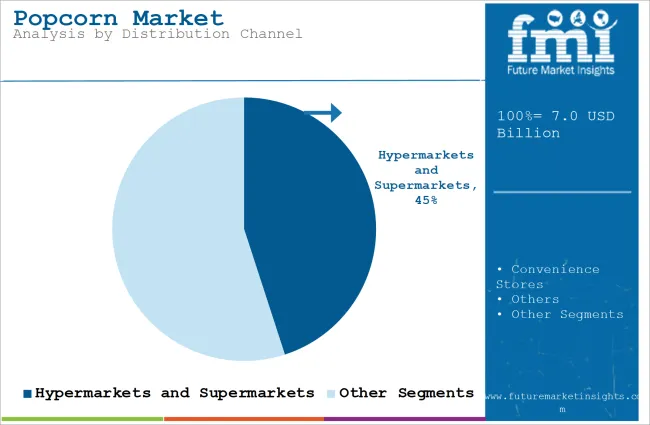
The global popcorn market is poised for remarkable growth over the next decade. Valued at USD 7.01 billion in 2025, the industry is expected to reach USD 13.5 billion by 2035, expanding at a CAGR of 6.8%. This steady rise underscores the growing global appetite for convenient, healthy, and innovative snacking options.
As consumers increasingly prioritize low-calorie, high-fiber foods, popcorn has cemented its place as a guilt-free snack alternative. The product’s natural, gluten-free attributes align perfectly with the health-conscious lifestyles that now dominate global consumption patterns. The industry’s evolution toward gourmet, organic, and flavored variants further enhances its appeal to a broader audience.
Rising Demand for Convenient and Healthy Snacks
The rise of fast-paced urban lifestyles has sparked significant demand for ready-to-eat (RTE) and microwaveable popcorn. These options cater to consumers seeking instant gratification—whether at work, during travel, or at home. Popcorn’s convenience, lightweight nature, and easy storage have made it an indispensable part of the modern snacking culture.
As busy schedules increasingly replace sit-down meals with multiple small snacks, popcorn has become a go-to choice. It offers a satisfying, crunchy texture without the heaviness of fried foods. Moreover, its perception as a healthier snack has elevated it beyond cinemas to become an everyday pantry essential.
Entertainment and Lifestyle Integration
The timeless connection between popcorn and entertainment remains one of the market’s strongest drivers. With the explosion of streaming platforms, at-home movie nights have become a cultural norm, reigniting popcorn’s iconic role as the ultimate companion snack. Beyond movies, its popularity extends to sports events, parties, and social gatherings, keeping demand high throughout the year.
Popcorn’s versatility—available in sweet, savory, or spicy forms—ensures it caters to a wide array of preferences. From traditional butter-flavored varieties to indulgent gourmet creations, the product remains adaptable to any occasion, sustaining its global appeal.
Market Challenges and Restraints
Despite its popularity, the popcorn market faces challenges stemming from raw material fluctuations and competition from alternative snacks. Popcorn production heavily depends on corn, making it vulnerable to weather-induced crop disruptions and price volatility. Between 2020 and 2024, rising corn prices pushed popcorn costs up nearly 25%, a trend that continues to pressure profit margins.
Additionally, as the market for health-oriented snacks grows, popcorn competes with fruit chips, protein bars, and nut-based snacks that appeal to similar consumer segments. Manufacturers are therefore compelled to innovate with clean-label ingredients and sustainable packaging to maintain their competitive edge.
Consumer Preferences Shaping Market Trends
Today’s consumers are more informed and selective than ever. Health-conscious buyers are driving demand for air-popped and organic popcorn free from artificial additives. Products labeled non-GMO, gluten-free, and low-fat are witnessing particularly strong growth.
Flavor innovation is another central factor influencing consumer choices. While classic butter and salted popcorn remain favorites, there is surging interest in exotic and premium flavors such as truffle, chili lime, chocolate drizzle, and caramel sea salt. These varieties cater to consumers seeking both indulgence and novelty, fueling the rapid expansion of the gourmet popcorn category.
Sustainability and Ethical Sourcing Take Center Stage
Sustainability has become a key differentiator for modern snack brands. Popcorn producers are increasingly investing in eco-friendly packaging solutions, such as recyclable or compostable materials, to reduce environmental impact. Similarly, ethically sourced, non-GMO corn and organic farming practices are becoming industry norms, resonating strongly with environmentally aware consumers.
This focus on sustainability has opened opportunities for startups and established companies alike to build trust and brand loyalty, particularly among younger generations who prioritize transparency and responsible business practices.
Pricing and Market Value Trends
The popcorn market’s pricing dynamics reflect the complex interplay between production costs, packaging innovations, and evolving consumer expectations. Despite temporary dips in corn prices in 2024, popcorn prices remained relatively high due to persistent packaging and distribution costs.
As demand continues to rise for gourmet and organic options—both of which require premium ingredients and materials—pricing is expected to stabilize at higher levels. This presents opportunities for brands to position themselves strategically across value, mid-range, and premium segments to appeal to diverse income groups.
Regional Market Insights
North America remains the largest popcorn market, with the United States at its core, projected to grow at a CAGR of 6.8% through 2035. Consumers’ increasing preference for air-popped, low-calorie snacks and the rise of organic popcorn varieties are propelling market expansion.
In Europe, Spain is leading the regional popcorn growth trajectory, registering a CAGR of 6.4%. European consumers are gravitating toward premium, vegan, and organic popcorn varieties, with flavor innovation playing a crucial role in stimulating demand.
Meanwhile, the Asia-Pacific region, led by China, is emerging as a hotspot for popcorn consumption, anticipated to grow at an impressive CAGR of 7.8%. Urbanization, rising disposable incomes, and modern retail infrastructure are key contributors, supported by increasing exposure to Western snacking habits.
Access Expert Analysis & Forecasts – Buy Now Before Prices Rise!
Explore trends before investing — request a sample report today!
Competitive Landscape
The global popcorn market is characterized by a mix of established corporations and innovative startups. Industry leaders such as Campbell Soup Company, PepsiCo Inc., Conagra Brands, Inc., and Weaver Popcorn, Inc. dominate through extensive product portfolios and global distribution networks. These companies continue to expand their offerings with healthier, low-calorie, and gourmet options to meet evolving consumer needs.
Quinn Foods LLC stands out for its focus on organic, non-GMO popcorn, while The Hershey Company and Eagle Family Foods Group LLC have diversified into flavored and confectionery popcorn products. PROPER Snacks and JOLLY TIME continue to leverage strong brand recognition and innovation in natural ingredient-based snacks.
Emerging brands and startups, including Popcornopolis, Poppy’s Popcorn, and Crispy Green, are capturing market attention with their unique flavors, sustainable practices, and social media-driven engagement strategies. Their focus on eco-friendly packaging and local sourcing is redefining the competitive standards of the popcorn industry.
About Future Market Insights (FMI)
Future Market Insights, Inc. (ESOMAR certified, recipient of the Stevie Award, and a member of the Greater New York Chamber of Commerce) offers profound insights into the driving factors that are boosting demand in the market. FMI stands as the leading global provider of market intelligence, advisory services, consulting, and events for the Packaging, Food and Beverage, Consumer Technology, Healthcare, Industrial, and Chemicals markets. With a vast team of over 400 analysts worldwide, FMI provides global, regional, and local expertise on diverse domains and industry trends across more than 110 countries.
Contact Us:
Future Market Insights Inc.
Christiana Corporate, 200 Continental Drive,
Suite 401, Newark, Delaware – 19713, USA
T: +1-347-918-3531
For Sales Enquiries: sales@futuremarketinsights.com
Website: https://www.futuremarketinsights.com
LinkedIn| Twitter| Blogs | YouTube