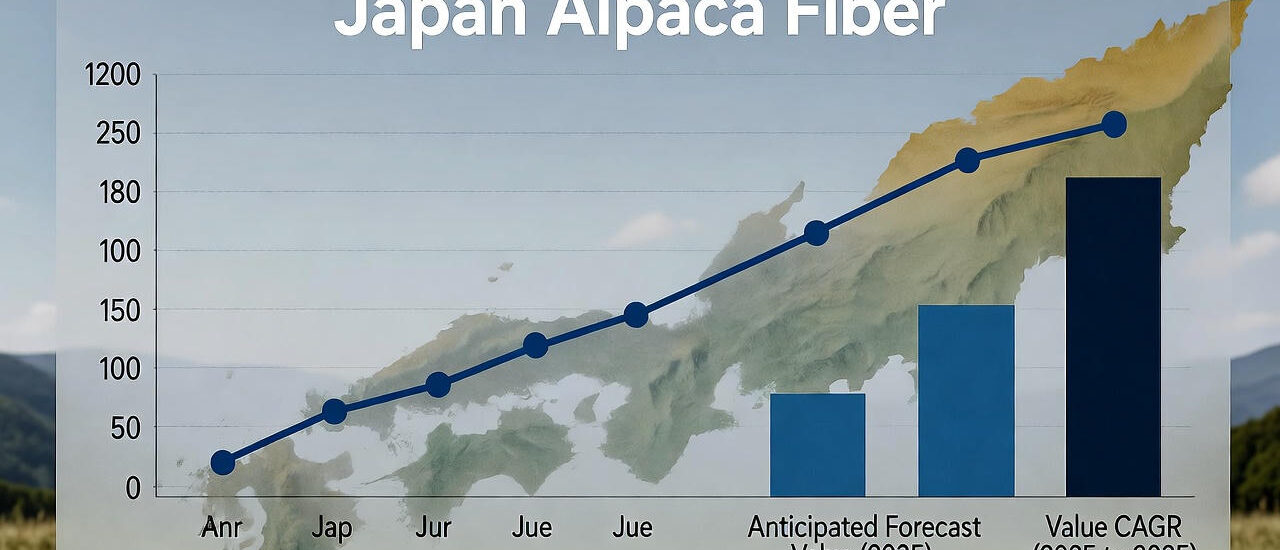
The Japan alpaca fiber market is on a steady path toward remarkable growth, projected to reach USD 705.1 billion by 2035, expanding at a 6.2% CAGR from 2025 to 2035. This surge is driven by Japan’s strong cultural shift toward sustainable fashion, eco-conscious home furnishings, and luxury handcrafted goods. With its natural softness, thermal insulation, and durability, alpaca fiber is fast becoming the country’s premium material of choice for both designers and consumers.
A Natural Fit for Japan’s Sustainable Future
Japan’s dedication to quality, precision, and environmental responsibility perfectly aligns with alpaca fiber’s inherent sustainability. Unlike synthetic fibers, alpaca fiber is biodegradable, requires minimal water for processing, and offers low environmental impact, making it a natural ally for the nation’s green textile ambitions. The market’s growth reflects the Japanese consumer’s evolving mindset—favoring authenticity, longevity, and comfort over fast fashion trends.
Explore the full market insights and future trends—read the complete Japan Alpaca Fiber Market Report today! https://www.futuremarketinsights.com/reports/sample/rep-gb-20223
Rising Demand Across Fashion and Home Textiles
From luxury fashion to interior design, alpaca fiber has found its niche. Japanese brands are integrating Huacaya and Suri alpaca fibers into sweaters, coats, shawls, and scarves, celebrated for their warmth and elegance. Meanwhile, in the home furnishings sector, demand for alpaca-based blankets, rugs, and upholstery continues to rise—especially in regions with colder climates such as Hokkaido and northern Honshu.
Companies like MUJI and Nishikawa Sangyo Co., Ltd. are leading this trend by introducing eco-luxury collections that appeal to Japan’s discerning market. MUJI’s sustainable knitwear line and Nishikawa’s premium alpaca bedding collection are setting new benchmarks for quality and comfort.
Innovation Powering Market Expansion
Technological progress is at the core of Japan’s textile revolution. Advanced fiber blending and dehairing technologies have significantly improved alpaca fiber’s quality, enabling its use in high-performance apparel and hybrid materials. New alpaca-silk and alpaca-cashmere blends are redefining the boundaries of sustainable luxury—combining elegance with functionality.
Moreover, the Japan Alpaca Association continues to promote domestic alpaca farming and craftsmanship, ensuring consistent supply and empowering local artisans. Collaborations between Japanese designers and South American fiber producers have opened new pathways for creativity and sustainable sourcing.
Emerging Opportunities and Regional Growth Outlook
Japan’s alpaca fiber market is not just thriving domestically—it’s gaining traction across Asia-Pacific. Growing export potential to countries such as South Korea, China, and Singapore is strengthening Japan’s position as a hub for high-quality sustainable textiles.
The Kanto and Kansai regions are leading in fashion innovation and luxury product development, while Tohoku and Hokkaido show robust demand for alpaca-based home textiles due to their cooler climates. This regional diversity underscores the market’s balance between urban fashion growth and traditional craftsmanship.
Balancing Tradition and Innovation
At the heart of Japan’s alpaca fiber industry lies a commitment to craftsmanship. From handwoven scarves to intricately designed upholstery, artisanal producers are playing a pivotal role in preserving cultural artistry while embracing global trends. The growing collaboration between local artisans and global suppliers continues to redefine the narrative of sustainable luxury.
Buy Now Report Here: https://www.futuremarketinsights.com/checkout/20223
The Future: A Blend of Nature, Technology, and Style
Looking ahead, the Japanese alpaca fiber market is expected to benefit from:
- Sustainable fashion movements emphasizing traceable, ethical sourcing.
- Innovations in blended textiles expanding applications across apparel and décor.
- Growing export opportunities leveraging Japan’s reputation for high-quality products.
- Support for artisanal sectors, enhancing regional employment and design diversity.
By 2035, Japan’s alpaca fiber industry will not only symbolize luxury but also reflect a conscious commitment to sustainability and craftsmanship—a hallmark of Japan’s evolving textile identity.
Related Reports:
Quinoline Market- https://www.futuremarketinsights.com/reports/quinoline-market
Potassium Humate Market- https://www.futuremarketinsights.com/reports/potassium-humate-market
Potassium Chloride Market- https://www.futuremarketinsights.com/reports/potassium-chloride-market
Have a specific Requirements and Need Assistant on Report Pricing or Limited Budget please contact us – sales@futuremarketinsights.com
About Future Market Insights (FMI)
Future Market Insights, Inc. (FMI) is an ESOMAR-certified, ISO 9001:2015 market research and consulting organization, trusted by Fortune 500 clients and global enterprises. With operations in the U.S., UK, India, and Dubai, FMI provides data-backed insights and strategic intelligence across 30+ industries and 1200 markets worldwide.
Contact Us:
Future Market Insights Inc.
Christiana Corporate, 200 Continental Drive,
Suite 401, Newark, Delaware – 19713, USA
T: +1-347-918-3531
Why FMI: https://www.futuremarketinsights.com/why-fmi
For Sales Enquiries: sales@futuremarketinsights.com
Website: https://www.futuremarketinsights.com
LinkedIn| Twitter| Blogs | YouTube