The global labels market is poised for significant expansion over the next decade, with its size forecasted to soar from USD 52.3 billion in 2025 to an impressive USD 89.7 billion by 2035. This remarkable growth trajectory underscores a transformative period for product identification and brand communication, driven by advancements in labeling technologies and expanding applications across retail, pharmaceutical, food & beverage, and industrial sectors.
As the labels market evolves, both established manufacturers and innovative newcomers are embracing new technologies, forming strategic partnerships, and exploring untapped markets to capitalize on this booming industry.
To access the complete data tables and in-depth insights – Request A Sample Report Now
Market Overview and Growth Outlook
The labels market’s projected compound annual growth rate (CAGR) of 5.5% reflects rising demand for sophisticated labeling solutions. Key growth drivers include the surge in e-commerce packaging, stringent pharmaceutical regulations, and the rising integration of smart technologies like RFID and IoT-enabled tracking.
- 2025-2030: The first half of the decade will see the market grow from USD 52.3 billion to approximately USD 68.1 billion, adding USD 15.8 billion in value (42% of total growth). This phase is marked by rapid adoption of smart labeling solutions, driven by e-commerce packaging needs and advanced tracking.
- 2030-2035: The latter half is expected to generate USD 21.6 billion in additional market value (58% of the decade’s growth), fueled by widespread integration of intelligent labeling technologies and seamless compatibility with supply chain platforms.
Key Segments of the Labels Market Report
- By Label Type:
- Pressure Sensitive Labels (38%) — Dominant with advanced adhesive and versatile applications.
- Shrink Sleeve Labels (24%) — Preferred for 360-degree packaging decoration.
- In-Mold Labels (16%) — Durable solutions for automotive and industrial goods.
- Glue-Applied Labels (14%) — Cost-effective for traditional packaging.
- Multi-layer Labels (8%) — Used mainly for pharmaceutical compliance.
- By Material:
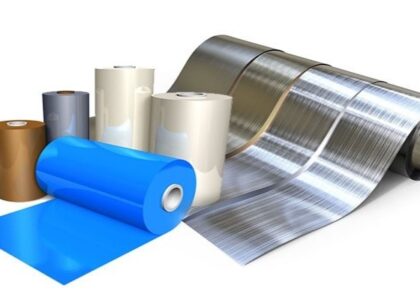
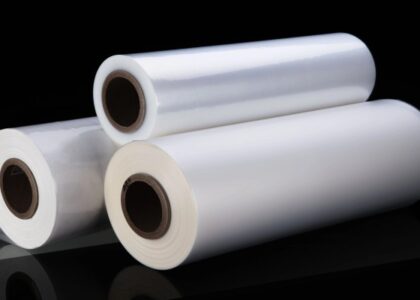
- Plastic/Polymer Labels (45.9%) — Fastest-growing due to durability and chemical resistance.
- Paper Labels — Cost-effective, widely used in food & beverage.
- Metal Labels — Niche applications in luxury goods and automotive nameplates.
- Fabric Labels — Specialty applications requiring flexible materials.
- By Application:
- Food & Beverage — Leading segment with 7.2% CAGR driven by packaged goods demand.
- Pharmaceutical & Healthcare — Fastest-growing with 7.8% CAGR due to regulatory requirements.
- Retail & Consumer Goods, Automotive, Industrial & Chemical sectors also contribute robustly.
- By Region:
- North America, Asia Pacific, and Europe lead technological adoption and market size.
- China and India emerge as high-growth markets with manufacturing-led expansion.
- Latin America and Middle East & Africa exhibit steady but smaller scale growth.
Highlighting Industry Leaders and Emerging Innovators
Established Industry Giants
- Avery Dennison Corporation holds a commanding 19% market share, leveraging its leadership in production capacity, technology innovation, and adhesive performance.
- CCL Industries Inc., Multi-Color Corporation, UPM Raflatac, and 3M Company remain key players driving advancements in smart labels, digital printing, and sustainable materials.
These established manufacturers continuously invest in R&D to innovate smart/RFID-integrated labels, security and anti-counterfeiting features, and variable data printing technologies, enabling enhanced brand differentiation and operational efficiency.
Emerging Manufacturers and Innovators
- New entrants and regional specialists in China, India, and Brazil are rapidly expanding by developing cost-effective smart label solutions tailored for domestic manufacturing and export needs.
- Localized innovations in adhesive technologies, eco-friendly bio-based labels, and interactive QR code-enabled labels reflect a growing trend towards sustainability and consumer engagement.
- Partnerships between technology innovators and converting specialists are accelerating the integration of IoT and supply chain tracking systems, opening new avenues for customized and scalable labeling solutions.
Market Dynamics and Strategic Imperatives for Stakeholders
- Design for Brand Differentiation: Labels are no longer just identifiers; they are vital for storytelling, premium branding, and consumer interaction.
- Innovation-Driven Solutions: Integration of smart technologies, digital printing, and security features remains essential to stay competitive.
- Quality and Consistency: Uniform adhesive strength, print quality, and durability under varying environmental conditions are non-negotiable standards.
- Value-Based Offerings: Transparent pricing tiers for base and specialty products, including volume discounts and preconfigured packaging solutions, improve client retention and market penetration.
Regional Growth Insights
- China: Boasts a 7.9% CAGR fueled by industrial infrastructure and e-commerce growth, with manufacturers enhancing labeling capabilities through digital printing and smart integration.
- India: Rapid industrial expansion and pharmaceutical growth lead to an 8.4% CAGR, with an emphasis on affordable premium labels meeting export quality standards.
- United States & Europe: Steady 5-6% growth rates supported by advanced manufacturing, regulatory compliance, and a culture of innovation in labeling technology.
- Brazil and Latin America: Growing demand tied to consumer goods and industrial labeling, with a 7.1% CAGR balancing challenges like currency volatility and logistics.
Emerging Technologies and Trends Shaping the Future
- Smart/RFID Integrated Labels: Expected to capture 28-32% of revenue within 3-5 years as supply chain transparency and anti-counterfeiting measures become critical.
- Digital Printing & Personalization: Variable data printing is enabling brands to launch customized, limited edition labels, driving consumer engagement and boosting marketing campaigns.
- Eco-Friendly Bio-Based Labels: Growing regulatory pressure and brand sustainability commitments push this segment toward 18-22% revenue share.
- Security & Tamper-Evident Solutions: Increasing counterfeit threats raise demand for secure labeling systems incorporating holograms and authentication tech.
Buy Full Report: Labels Market
Challenges and Opportunities
- Challenges: Raw material price volatility and supply chain disruptions present cost and availability risks. Digital alternatives such as QR codes and paperless displays are potential disruptors.
- Opportunities: Manufacturers who innovate with smart technology integration, deliver value-added services, and expand in emerging markets will capture the lion’s share of growth.
Buy Full Report Why FMI: https://www.futuremarketinsights.com/why-fmi
About Future Market Insights (FMI)
Future Market Insights, Inc. (ESOMAR certified, recipient of the Stevie Award, and a member of the Greater New York Chamber of Commerce) offers profound insights into the driving factors that are boosting demand in the market. FMI stands as the leading global provider of market intelligence, advisory services, consulting, and events for the Packaging, Food and Beverage, Consumer Technology, Healthcare, Industrial, and Chemicals markets. With a vast team of over 400 analysts worldwide, FMI provides global, regional, and local expertise on diverse domains and industry trends across more than 110 countries.
Contact Us:
Future Market Insights Inc.
Christiana Corporate, 200 Continental Drive,
Suite 401, Newark, Delaware – 19713, USA
T: +1-347-918-3531
For Sales Enquiries: sales@futuremarketinsights.com
Website: https://www.futuremarketinsights.com
LinkedIn| Twitter| Blogs | YouTube