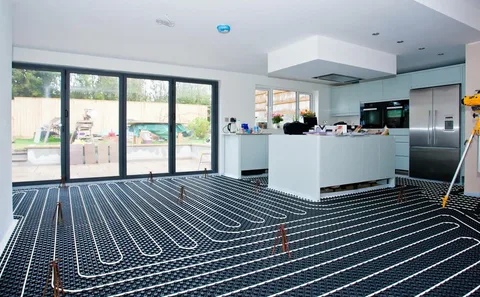
The European sales of Hydronic Underfloor Heating are anticipated to reach USD 2,124.0 million by 2024, with a growing demand increase from end users at 6.3%CAGR over the forecast period. The market value is forecast to grow from USD 2,254.0 million in 2025 to USD 4,140.0 million by 2035.
The Europe Hydronic Underfloor Heating Market is witnessing remarkable growth, driven by the region’s strong focus on energy-efficient building technologies, sustainable heating systems, and enhanced indoor comfort. As environmental concerns rise and governments across Europe tighten energy efficiency regulations, hydronic underfloor heating systems are becoming a preferred alternative to conventional radiators. These systems offer not only uniform heat distribution but also significant energy savings, making them ideal for residential, commercial, and industrial applications.
Market Overview
The European hydronic underfloor heating market is expanding rapidly as consumers, builders, and policymakers increasingly recognize the advantages of radiant heating systems. Hydronic systems, which circulate warm water through pipes beneath the floor surface, provide consistent and comfortable warmth while minimizing energy wastage. The market is further boosted by the growing trend of smart home integration, where intelligent thermostats and sensors optimize heating efficiency.
Additionally, the rising adoption of renewable energy sources, such as geothermal and solar thermal systems, aligns perfectly with the hydronic heating model, positioning it as a cornerstone of Europe’s sustainable heating future.
Key Market Drivers
- Stringent Energy Efficiency Regulations
Europe has some of the world’s most stringent building and energy efficiency standards, such as the EU Energy Performance of Buildings Directive (EPBD). These regulations promote low-energy and zero-emission heating technologies, significantly boosting the adoption of hydronic underfloor heating systems. - Rising Focus on Comfort and Indoor Air Quality
Unlike conventional heating systems that circulate dust and allergens, hydronic underfloor systems provide a cleaner and healthier indoor environment. The even heat distribution eliminates cold spots and drafts, enhancing overall living comfort—an appealing factor in modern housing developments. - Integration with Renewable Energy Sources
Hydronic underfloor heating systems are highly compatible with renewable technologies like heat pumps, biomass boilers, and solar thermal systems. This synergy allows homeowners and businesses to minimize energy consumption and reduce carbon emissions while ensuring effective heating performance. - Growth in Smart Building and Home Automation Technologies
The proliferation of IoT-enabled thermostats and energy management systems allows real-time control of heating systems, enabling users to customize comfort levels while reducing operational costs. This digital transformation is a major catalyst for the growth of the European hydronic heating market.
Technological Advancements
The market is seeing steady technological improvements, enhancing system efficiency and installation ease:
- Smart Thermostat Integration: Enables precise temperature control and energy monitoring through mobile applications.
- Advanced PEX and Multi-Layer Pipes: Ensure durability, corrosion resistance, and efficient heat transfer.
- Modular and Pre-Insulated Panels: Simplify installation and reduce setup time, making systems more accessible for retrofit projects.
- AI-Based Energy Management: Helps optimize heating schedules and predict energy demand for maximum savings.
Market Segmentation
The Europe Hydronic Underfloor Heating Market can be segmented based on:
- By Component:
- Heating Pipes
- Manifolds
- Control Systems
- Pumps and Mixing Units
- Insulation Panels
- By Application:
- Residential Buildings (New Builds & Renovations)
- Commercial Buildings (Offices, Retail Spaces, Hotels)
- Industrial Facilities
- By Installation Type:
- New Construction
- Retrofit Projects
Regional Insights
- Western Europe (Germany, UK, France, Netherlands):
Dominates the market owing to stringent sustainability mandates, advanced construction standards, and high consumer awareness. Germany and the UK, in particular, are key markets for smart and renewable-integrated underfloor heating systems. - Northern Europe (Sweden, Norway, Finland):
High adoption due to extremely cold climates and strong renewable energy infrastructure. - Southern Europe (Italy, Spain, Greece):
Growing interest in energy-efficient systems for both residential and commercial renovation projects. - Eastern Europe:
Increasing urbanization and rising investments in energy-efficient housing projects are opening new growth avenues.
Market Advantages and Opportunities
The European hydronic underfloor heating market offers several benefits and future opportunities, such as:
- Energy Efficiency: Reduces heating energy consumption by up to 30% compared to traditional systems.
- Enhanced Comfort: Provides consistent warmth and eliminates drafts.
- Aesthetic Flexibility: Allows architects and interior designers greater freedom by removing visible radiators.
- Compatibility with Renewable Energy: Works seamlessly with heat pumps and solar heating systems.
- Growing Retrofit Potential: Increasing renovation projects across Europe present vast opportunities for retrofit installations.
Future Outlook
The future of the Europe Hydronic Underfloor Heating Market looks promising as the region continues to embrace sustainability and innovation in construction. Governments’ emphasis on decarbonizing the heating sector and the shift toward smart and connected home solutions will further drive adoption. The integration of AI-based controls, energy-efficient pumps, and digital monitoring platforms will make hydronic underfloor heating systems smarter, more responsive, and more sustainable.
As the European real estate sector transitions toward net-zero energy buildings, hydronic underfloor heating systems are poised to become an essential component of future-ready infrastructure—combining comfort, efficiency, and environmental responsibility.
Request Your Sample Report Today and discover growth opportunities!
https://www.futuremarketinsights.com/reports/sample/rep-gb-20413
Checkout Now to Access Industry Insights:
https://www.futuremarketinsights.com/checkout/20413
About Future Market Insights (FMI)
Future Market Insights, Inc. (ESOMAR certified, recipient of the Stevie Award, and a member of the Greater New York Chamber of Commerce) offers profound insights into the driving factors that are boosting demand in the market. FMI stands as the leading global provider of market intelligence, advisory services, consulting, and events for the Packaging, Food and Beverage, Consumer Technology, Healthcare, Industrial, and Chemicals markets. With a vast team of 400 analysts worldwide, FMI provides global, regional, and local expertise on diverse domains and industry trends across more than 110 countries.
Contact Us:
Future Market Insights Inc.
Christiana Corporate, 200 Continental Drive,
Suite 401, Newark, Delaware – 19713, USA
T: +1-845-579-5705
For Sales Enquiries: sales@futuremarketinsights.com
Website: https://www.futuremarketinsights.com
LinkedIn| Twitter| Blogs | YouTube