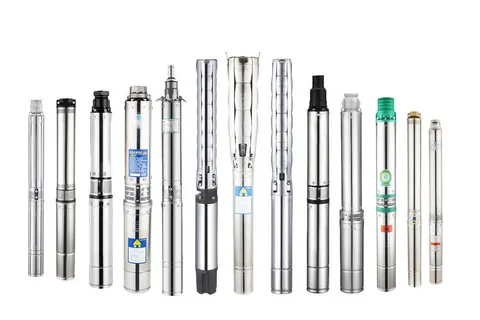
The Southeast Asia submersible pumps market reached USD 710.4 million in 2024. Southeast Asia demand for submersible pumps recorded 4.7% year-over-year growth in 2024, and thus, the market is expected to reach USD 743.8 million in 2025. Over the projection period (2025 to 2035), Southeast Asia submersible pumps sales are predicted to rise swiftly at 5.7% CAGR and climb to a market size of USD 1,294.8 million by 2035’s end.
The Southeast Asia submersible pumps market is undergoing a remarkable transformation as both established players and emerging manufacturers embrace technological innovation, automation, and sustainability to meet the region’s growing water management needs. Valued at USD 710.4 million in 2024, the market is projected to rise to USD 743.8 million in 2025 and further expand at a CAGR of 5.7% to reach USD 1,294.8 million by 2035.
This steady growth is attributed to rapid urbanization, agricultural modernization, and government-led infrastructure projects across Indonesia, Thailand, Vietnam, Malaysia, and the Philippines. Additionally, rising energy efficiency standards, adoption of smart pumping technologies, and the use of advanced materials are accelerating innovation across the sector.
Infrastructure Boom and Government Investments Power Market Expansion
The region’s infrastructure renaissance is fueling unprecedented demand for submersible pumps. From Indonesia’s ambitious Nusantara smart city project to flood management initiatives in Thailand and the Philippines, the need for reliable water pumping systems has surged.
Vietnam and Indonesia lead the charge with large-scale investments aimed at accommodating rapidly growing urban populations. These projects require robust, energy-efficient, and durable pumps capable of handling complex water management and drainage operations.
Moreover, Southeast Asian governments are prioritizing water conservation, wastewater treatment, and flood control systems, especially in coastal and flood-prone regions. This creates a fertile ground for pump manufacturers to develop tailored, high-performance solutions for both municipal and industrial applications.
Energy Efficiency and Smart Technology at the Core of Innovation
As energy costs rise and sustainability takes center stage, the region’s industries are increasingly turning to smart and energy-efficient submersible pumps. These systems are integrated with IoT and predictive maintenance features, allowing users to monitor pressure, flow rates, and motor health in real time.
Such innovations not only minimize energy consumption but also reduce downtime and operational costs, extending the pumps’ lifespan. Companies like Grundfos, KSB SE & Co. KGaA, and Flowserve Corporation are pioneering advanced energy-efficient technologies, while local manufacturers are developing affordable smart pump variants to cater to small and mid-sized enterprises.
“Energy-efficient submersible pumps represent the future of Southeast Asia’s water infrastructure,” said an industry analyst. “They provide cost savings and environmental benefits, aligning perfectly with regional sustainability goals.”
Automation Revolutionizing Industrial and Agricultural Applications
Automation is reshaping how industries and farms operate across Southeast Asia. Modern submersible pumps are now integral to smart irrigation, industrial cooling, and wastewater management systems, enabling remote monitoring and precise control.
Agricultural automation—supported by AI, robotics, and IoT—is particularly transformative. In Malaysia and Vietnam, smart submersible pumps are being deployed for efficient irrigation, helping farmers reduce water waste while improving crop yields.
Manufacturers such as Ebara Corporation, The Weir Group PLC, and ITT Inc. are introducing automated pump systems designed for high efficiency, while new entrants are focusing on customized solutions for deep-well irrigation and abrasive fluid handling.
Industrial Growth Amplifying Demand for Durable and Efficient Pumps
The manufacturing, mining, and chemical sectors in Thailand, Vietnam, and Indonesia are expanding rapidly, driving the demand for industrial-grade submersible pumps. These pumps are critical for handling large volumes of water, slurry, and chemicals in challenging environments.
In industrial plants, they are used for cooling systems, wastewater treatment, and drainage, while in mining and petrochemical sectors, they manage corrosive and abrasive fluids safely. The ability of submersible pumps to operate underwater and handle heavy-duty applications makes them indispensable to Southeast Asia’s industrial ecosystem.
Key Market Segments and Emerging Opportunities
- By Head Type: The 50 to 100m segment is expected to hold 45% of market share in 2025, offering high-pressure, energy-efficient solutions ideal for water supply, irrigation, and industrial fluid handling.
- By Application: The agriculture sector remains the largest end user, commanding 40% market share in 2025, as governments invest in modern irrigation and sustainable farming systems.
- Regional Breakdown:
- Indonesia leads with 31.4% market share, fueled by industrial expansion, water management projects, and urbanization.
- Thailand follows with 24.3%, leveraging its strong manufacturing and agricultural sectors.
- Malaysia is witnessing rapid adoption in urban infrastructure and smart water systems under its Smart City Framework.
Established Leaders and Emerging Innovators Expanding Footprints
The Southeast Asia submersible pumps landscape features a vibrant mix of global giants and emerging regional manufacturers.
Tier 1 players such as Xylem Inc., Flowserve Corporation, Grundfos, and KSB SE & Co. KGaA dominate the market with cutting-edge technology, broad portfolios, and extensive distribution networks. These companies continue to invest heavily in R&D to improve energy efficiency, automation, and corrosion resistance in pump systems.
Tier 2 players, including The Weir Group PLC, ITT Inc., and Ebara Corporation, are strengthening their foothold in regional markets through partnerships, localized production, and customized product lines.
Meanwhile, Tier 3 manufacturers such as Atlas Copco AB, Kubota Corporation, and WILO SE are focusing on niche markets—developing compact, cost-effective, and application-specific pumps to serve small and medium enterprises.
New and emerging manufacturers across Southeast Asia are also joining this innovation race. These startups are investing in AI-driven pump diagnostics, lightweight composite materials, and 3D-printed components to reduce production costs and enhance efficiency.
Strategic Expansions and Industry Updates
The market has recently witnessed several key acquisitions and partnerships aimed at enhancing technological capabilities and market reach:
- Ingersoll Rand Inc. completed its acquisition of UT Pumps & Systems Private Limited in October 2024, expanding its pump technology portfolio and strengthening its Southeast Asian presence.
- Reliance Industries Limited (RIL) acquired Sintex Industries in March 2023, enhancing its manufacturing capacity for infrastructure and water management applications.
Such strategic moves demonstrate how both global corporations and regional players are expanding their operations and developing next-generation technologies to meet Southeast Asia’s evolving water and energy challenges.
Challenges: High Initial Costs and Maintenance Needs
Despite the promising outlook, high initial investment costs remain a barrier, particularly for smaller enterprises. Industrial-grade submersible pumps, especially borewell and high-pressure models, involve substantial installation and maintenance expenses. Frequent replacement of components like impellers and seals due to water exposure also adds to ownership costs.
However, ongoing technological innovation and government subsidies for sustainable infrastructure are expected to gradually reduce these barriers, making advanced pumping systems more accessible.
A Promising Decade Ahead for Southeast Asia’s Submersible Pumps Industry
From smart cities in Indonesia to precision agriculture in Malaysia and industrial expansion in Vietnam, submersible pumps are at the heart of Southeast Asia’s development journey.
As global leaders innovate and emerging manufacturers expand, the industry is evolving into a highly competitive, technologically advanced ecosystem focused on efficiency, reliability, and sustainability.
By 2035, with a projected market size of USD 1.29 billion, Southeast Asia’s submersible pumps market will not just represent industrial progress—but also the region’s commitment to smarter, cleaner, and more sustainable water management solutions.
Request Your Sample Report Today and discover growth opportunities!
https://www.futuremarketinsights.com/reports/sample/rep-gb-15783
Checkout Now to Access Industry Insights:
https://www.futuremarketinsights.com/checkout/15783
About Future Market Insights (FMI)
Future Market Insights, Inc. (ESOMAR certified, recipient of the Stevie Award, and a member of the Greater New York Chamber of Commerce) offers profound insights into the driving factors that are boosting demand in the market. FMI stands as the leading global provider of market intelligence, advisory services, consulting, and events for the Packaging, Food and Beverage, Consumer Technology, Healthcare, Industrial, and Chemicals markets. With a vast team of 400 analysts worldwide, FMI provides global, regional, and local expertise on diverse domains and industry trends across more than 110 countries.
Contact Us:
Future Market Insights Inc.
Christiana Corporate, 200 Continental Drive,
Suite 401, Newark, Delaware – 19713, USA
T: +1-845-579-5705
For Sales Enquiries: sales@futuremarketinsights.com
Website: https://www.futuremarketinsights.com
LinkedIn| Twitter| Blogs | YouTube