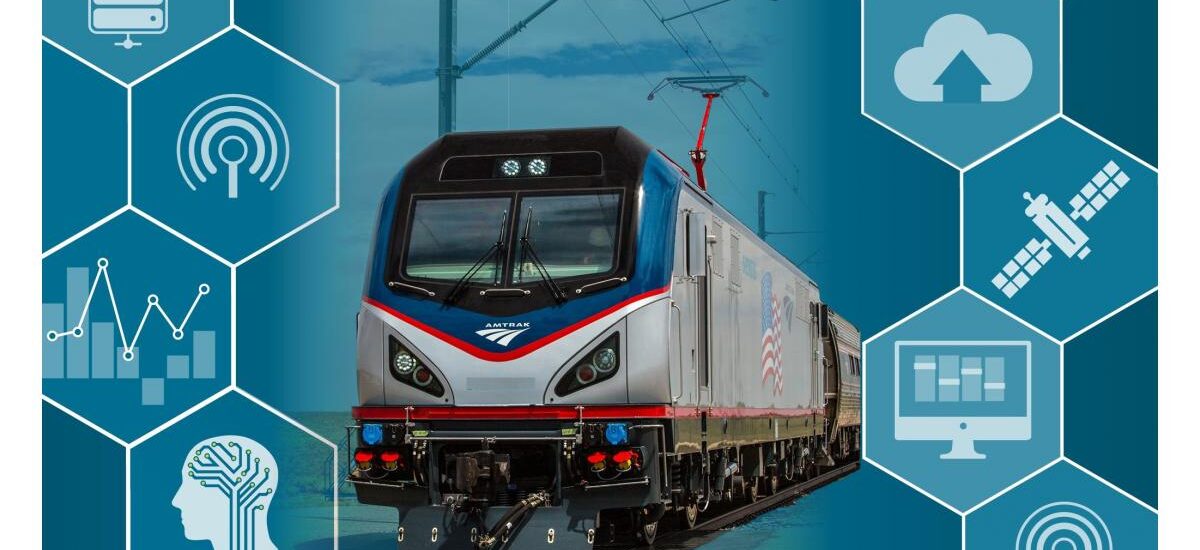
The global railway telematics market is poised for a decade of transformative growth, projected to rise from USD 7.1 billion in 2024 to USD 14.5 billion by 2034, at a robust CAGR of 7.3%. As transportation systems evolve to meet the demands of efficiency, sustainability, and safety, railway telematics is emerging as a cornerstone of modern rail infrastructure. The convergence of artificial intelligence (AI), Internet of Things (IoT), and advanced data analytics is redefining how freight and passenger operations are managed worldwide.
Grab This Report Now at Just $5,000 | Limited-Time Discount Offer!
https://www.futuremarketinsights.com/reports/sample/rep-gb-16172
A New Era of Intelligent Railway Operations
The adoption of telematics is revolutionizing railway systems, bringing real-time intelligence to trains, wagons, and infrastructure. By integrating information technology with mechanical operations, telematics solutions ensure optimal scheduling, fleet efficiency, and enhanced safety. Sensors embedded across rail networks collect data on train performance, cargo conditions, and track health—enabling predictive maintenance and reducing downtime.
The inclusion of AI-powered analytics has become pivotal in transforming raw data into actionable insights. These innovations allow operators to forecast maintenance needs, optimize energy usage, and ensure seamless transport of passengers and cargo alike. As a result, railway telematics has become an essential investment area for both established industry players and emerging technology providers looking to expand their footprints.
Market Segmentation Insights: Fleet Management Leads the Way
Among key solutions, fleet management dominates the railway telematics market, commanding 30% of the global market share in 2024. Efficient fleet management systems enable real-time monitoring of train schedules, energy consumption, and operational performance—ultimately reducing idle time and operational costs.
The growing emphasis on safety and punctuality has made telematics indispensable for both freight and passenger operations. Fleet operators can now leverage real-time analytics to manage cargo weight distribution, monitor maintenance conditions, and ensure that energy resources are used optimally—key factors that enhance overall railway efficiency.
Tank Cars Dominate Railcar Type Segment
In terms of railcar type, tank cars represent another critical growth segment, holding 30% of the market share in 2024. The surge in transportation of liquids such as fuel, chemicals, and perishable goods like milk has fueled demand for telematics-equipped tank cars.
Telematics systems enhance safety by detecting leaks, monitoring tank pressure, and ensuring timely delivery of critical cargo. These capabilities are particularly vital for the transportation of hazardous or time-sensitive materials, where any delay or mismanagement could result in significant economic and environmental losses.
Component Spotlight: Sensors and Telematic Control Units
The backbone of railway telematics lies in its sensors and telematics control units (TCUs). Sensors monitor real-time parameters such as fuel levels, temperature, and load capacities, while TCUs collect and process this data for central analysis. This integration helps rail operators minimize emissions, detect faults before failures occur, and improve fuel efficiency.
The synergy between sensors and TCUs underscores the global trend toward predictive maintenance—a capability increasingly demanded by operators seeking to minimize downtime and enhance safety across large rail networks.
Passenger vs. Freight: Distinct Telematic Applications
While passenger trains utilize telematics to enhance traveler experience through real-time tracking, comfort monitoring, and safety alerts, freight trains leverage it for cargo tracking and efficient logistics management. The ability to trace cargo in real-time not only ensures timely delivery but also optimizes fuel usage and minimizes operational delays.
With governments prioritizing modernization of national railway systems, both passenger and freight segments are witnessing rapid adoption of telematics technologies that deliver measurable operational and environmental benefits.
Key Growth Drivers: Safety, Efficiency, and Smart Connectivity
The expansion of the railway telematics market is being fueled by several converging factors:
- Efficiency in Freight Management: Telematics enables precise cargo tracking and fleet optimization, crucial for industries dependent on timely deliveries. As governments invest heavily in freight corridor modernization, the adoption of telematics solutions continues to accelerate.
- Focus on Safety and Security: Real-time speed monitoring, automated braking systems, and predictive analytics are reducing accidents caused by communication lapses or mechanical failures. The rise of AI-based monitoring systems ensures faster response to anomalies, promoting safer rail operations.
- Real-time Fuel Monitoring: Telematics enables detailed fuel usage tracking, predictive maintenance, and theft prevention. This results in reduced operational costs and improved sustainability through optimized energy consumption.
- 5G Connectivity and Smart Railways: The integration of 5G networks enhances data transmission, enabling seamless communication between locomotives, infrastructure, and control centers. These advances pave the way for smart railways, where telematics, AI, and cloud computing converge to create highly automated, efficient, and safe railway ecosystems.
Competitive Landscape: Innovation and Expansion Drive Market Leadership
The competitive landscape of the railway telematics market is defined by both established conglomerates and innovative startups:
- Alstom SA is focusing on advanced signaling technologies like CBTC and ETCS.
- Robert Bosch GmbH is leveraging IoT and AI to boost connectivity and efficiency.
- Hitachi Ltd continues to integrate comprehensive control and signaling systems.
- Siemens AG is optimizing rail operations through next-gen signaling technologies.
- Wabtec Corporation and Knorr-Bremse AG are advancing braking systems and expanding portfolios via strategic acquisitions.
- ORBCOMM, Railnova SA, and SAVVY Telematic Systems AG are emerging as agile innovators, offering data-driven fleet monitoring and real-time analytics tools.
Checkout Now to Access Industry Insights:
https://www.futuremarketinsights.com/checkout/16172
About Future Market Insights (FMI)
Future Market Insights, Inc. (ESOMAR certified, recipient of the Stevie Award, and a member of the Greater New York Chamber of Commerce) offers profound insights into the driving factors that are boosting demand in the market. FMI stands as the leading global provider of market intelligence, advisory services, consulting, and events for the Packaging, Food and Beverage, Consumer Technology, Healthcare, Industrial, and Chemicals markets. With a vast team of over 400 analysts worldwide, FMI provides global, regional, and local expertise on diverse domains and industry trends across more than 110 countries.
Contact Us:
Future Market Insights Inc.
Christiana Corporate, 200 Continental Drive,
Suite 401, Newark, Delaware – 19713, USA
T: +1-347-918-3531
For Sales Enquiries: sales@futuremarketinsights.com
Website: https://www.futuremarketinsights.com
LinkedIn| Twitter| Blogs | YouTube